
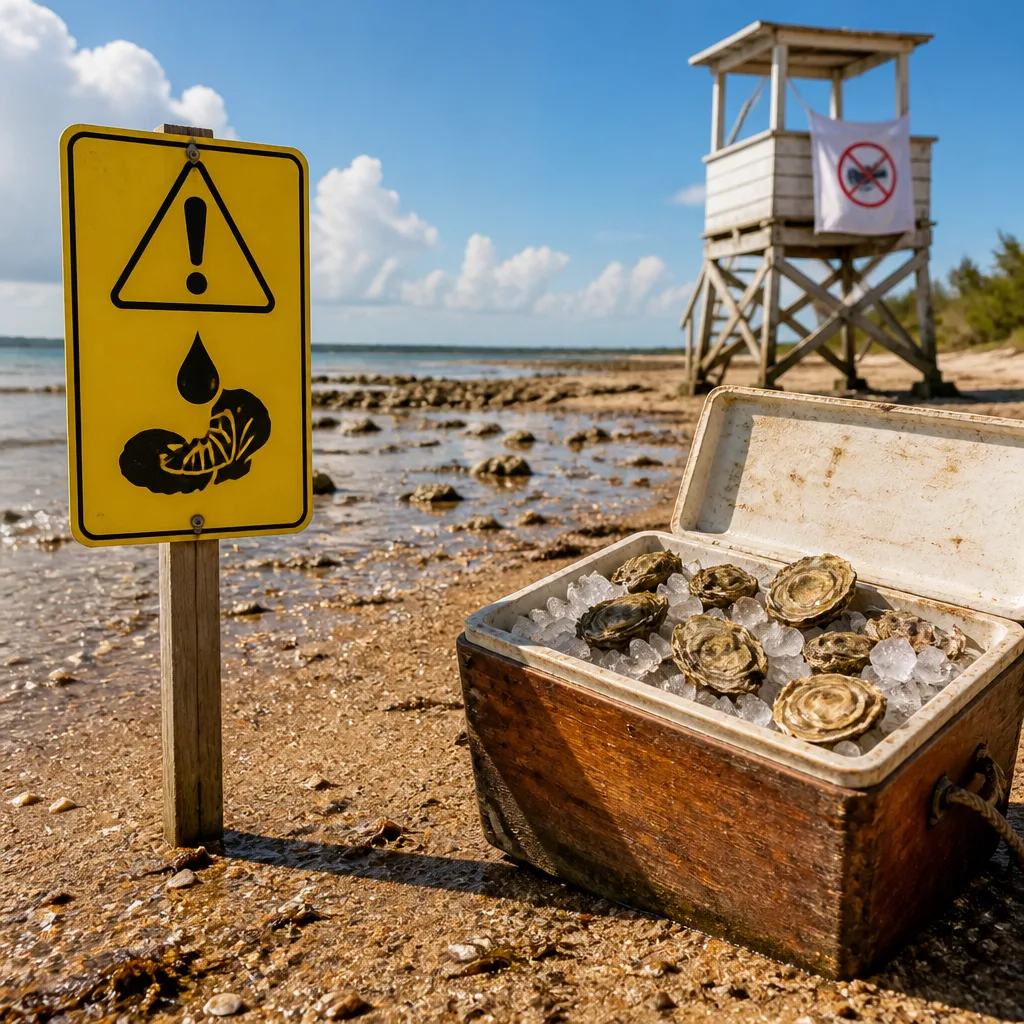
Health authorities in Louisiana have issued warnings to beachgoers after a summertime rise in infections from Vibrio vulnificus, a type of bacteria found in warm coastal and brackish waters that can cause rapidly progressive and deadly illness.
Spike in cases and deaths this season
The Louisiana Department of Health reported nine confirmed cases of Vibrio vulnificus so far this year, with five deaths, according to a departmental news release. By comparison, the state recorded an average of about seven cases and one death during the same period over the previous decade.
“Seek medical care immediately if a wound exposed to brackish or salt water becomes red, swollen, painful, warm or discoloured,” officials said in the release. “Tell the health care provider about the water exposure.”
Vibrio bacteria thrive in warm seawater and in the brackish mix of freshwater and saltwater found in estuaries and lagoons. In the United States, most infections occur from May to October, with states along the Gulf Coast particularly affected.
How people become infected and who is at risk
Infections typically occur in two ways: through wounds that are exposed to contaminated water, and through ingestion of raw or undercooked shellfish, particularly oysters. The most dangerous species, Vibrio vulnificus, is associated with severe disease and a high fatality rate. The US Centers for Disease Control and Prevention note that as many as one in five V. vulnificus infections are fatal.
Clinicians report more severe illness among older adults and people with weakened immune systems, and those with chronic conditions such as liver disease or diabetes.
Regional trends and possible drivers
Florida, which historically reports more Vibrio infections than other states, has recorded 14 V. vulnificus cases and two deaths so far this year, compared with 33 cases and five deaths for all of last year. Records indicate more cases in years that experience hurricanes and tropical storms.
Scientists have pointed to climate change as a contributing factor in the northward spread and rising incidence of Vibrio infections. A 2023 study cited in the reporting found the northernmost recorded case has been shifting by roughly 30 miles per year, with overall case numbers increasing.
Precautions for beachgoers and shellfish consumers
Public-health authorities urge simple but effective precautions to reduce risk:
- Avoid entering brackish or warm coastal water if you have cuts, abrasions, eczema or other skin breaks.
- Cover wounds with waterproof dressings and keep them clean and dry if you must be in these waters.
- Seek immediate medical attention for wounds that become red, painful, swollen, warm or discoloured after water exposure, and inform the clinician about the exposure.
- Avoid eating raw or undercooked shellfish, particularly oysters, if you are immunocompromised or have chronic liver disease.
| Jurisdiction | V. vulnificus cases (year to date) | Deaths |
|---|---|---|
| Louisiana | 9 | 5 |
| Florida | 14 | 2 |
| Florida (previous year total) | 33 | 5 |
Doctors and public-health officials reiterate that early recognition and prompt treatment are critical to improving outcomes. Anyone who develops rapidly worsening symptoms after water exposure or who is at higher risk because of underlying illness should consult a clinician urgently rather than attempting to self-manage.
Although these reports concern the US Gulf Coast, they serve as a reminder for coastal communities worldwide — including in South Africa — of the need for clear public messaging, clinician awareness and surveillance for warm-water bacterial infections as ocean temperatures change.











