
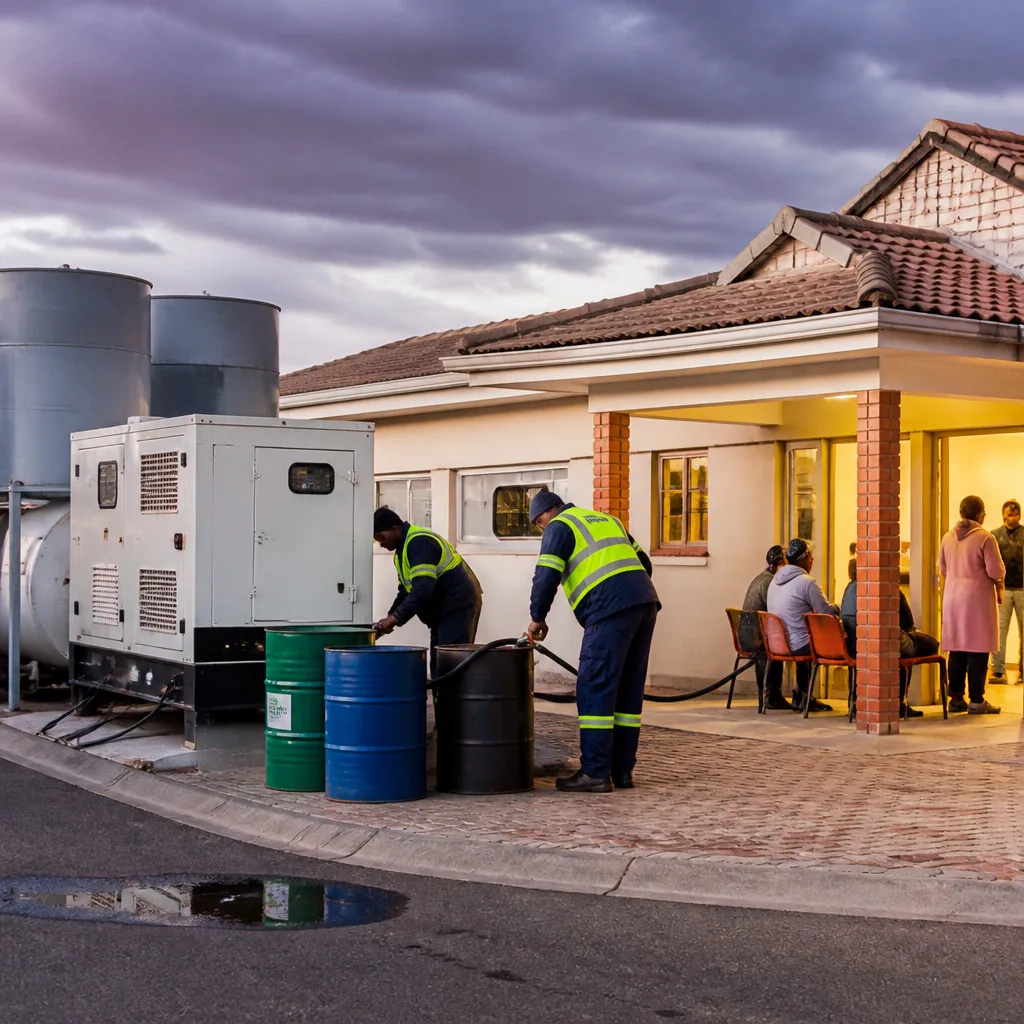
Several primary healthcare facilities in Gauteng have experienced power outages following recent severe weather and strain on the province's power infrastructure, the Gauteng Department of Health confirmed on Wednesday. Johannesburg District was reported to be the worst affected area.
Clinics affected and emergency response
The department named a number of affected facilities in Johannesburg and Ekurhuleni. In Johannesburg District, outages were reported at Eyethu Yarona, Diepsloot South, Tshepisong and Moroka clinics, while Winnie Mandela Clinic in Ekurhuleni was also without power.
Gauteng Health spokesperson Steve Mabona said technical teams were attending to backup systems and that generators were either already in use or undergoing repairs to keep essential services operational.
"The technical team is attending to the facilities generator to ensure that the backup power system is restored. The department continues to monitor the readiness of backup power systems across health facilities. Now, this includes generator functionality and fuel availability as part of measures to maintain essential health care services."
What the department is doing and what patients should expect
The department said it was monitoring generator functionality and fuel availability as immediate measures to maintain essential services. That implies priority will be given to life‑saving and time‑sensitive care while technical teams work to restore full electricity supply.
Patients should expect intermittent disruption to non‑urgent services at affected clinics until power is restored. The department did not provide a timeline for full restoration and patients are advised to contact their clinic or local health facility for updates before visiting, where possible.
- Immediate measures: Use of on‑site backup generators and repairs to restore functionality.
- Monitoring: Provincial teams tracking generator readiness and fuel stocks across facilities.
- Advice to patients: Check with clinics before attending and seek urgent care at alternative facilities if necessary.
Context and possible consequences
Power interruptions at health facilities can affect a range of services including refrigeration of temperature‑sensitive medicines and vaccines, access to diagnostic equipment, and the operation of lights and communication systems. The department's emphasis on generator functionality and fuel availability recognises these risks and reflects standard contingency planning for maintaining essential care during outages.
At primary healthcare level, clinics typically prioritise emergency and maternal services, while deferring routine appointments where safety cannot be assured. Where backup systems are unavailable or malfunctioning, patients may be referred to neighbouring facilities that have power, or to hospitals equipped to manage more complex cases.
Health authorities and facility managers are responsible for ensuring that contingency plans — including the availability of working generators, sufficient fuel, and trained personnel to operate and maintain equipment — are in place and implemented promptly during outages.
For people who rely on clinics for chronic medication, immunisations, wound care or pregnancy services, contacting the facility in advance can reduce unnecessary travel and delays. Anyone experiencing a medical emergency should proceed to the nearest facility able to provide immediate care.
Where possible, consult your usual clinic or a health professional rather than attempting to self‑manage conditions. If you are unsure about where to go for urgent care, contact local health services or use provincial health information channels to find updated facility status.
The Gauteng Department of Health stated it would continue to monitor conditions across the province and to prioritise restoring and maintaining essential health services while technical teams address generator repairs and fuel logistics.











