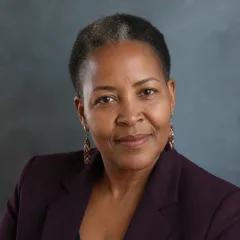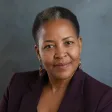

Education, Innovation, Youth, Sport, Arts and Culture minister Sanet Steenkamp has urged a realignment of the Hardap region’s education strategy to prioritise foundational learning, teacher accountability and maintenance of school infrastructure.
Foundations first, Steenkamp says
Speaking during a stakeholder engagement with officials and principals in Mariental, Steenkamp said the current emphasis on senior secondary grades is misplaced and that sustained improvement in learner outcomes must start in the early years. She called on schools to return to basic learning priorities and strengthen the early-grade pipeline that feeds higher grades.
“Our focus generally is on the senior secondary grades, which is wrong. We have to return to the basics. Foundations first, excellence always.”
Steenkamp told attendees that regional education officials already possess significant experience and knowledge; the challenge is ensuring that expertise is supported by targeted resource allocation and applied consistently across schools.
Teacher support and accountability
The minister also emphasised the need for stronger professional leadership in schools. She said teachers must receive support but also be held accountable for their responsibilities. The call echoes broader policy debates about balancing teacher development, performance management and school-level leadership to lift classroom practice.
Hardap regional director Paulus Lewin underlined that the region’s turnaround strategic plan — introduced more than five years ago — remains the roadmap for improvement. Lewin noted the region serves approximately 65 schools across three circuits and faces logistical challenges because of its large geographic area.
Performance gains and outstanding work
Hardap has recorded progress at Advanced Subsidiary (AS) level: the AS qualification rate rose from 13.7% in 2024 to 25.7% in 2025. While the increase is significant in percentage terms, Lewin and Steenkamp both acknowledged that much work remains to broaden and sustain gains across subjects and grades.
| Indicator | Value |
|---|---|
| Number of schools | ~65 |
| Circuits | 3 |
| AS qualification rate (2024) | 13.7% |
| AS qualification rate (2025) | 25.7% |
Infrastructure and routine maintenance
Steenkamp raised concerns about the condition of education infrastructure in the south of the country, suggesting that the perception of adequate facilities in the region has led to insufficient maintenance, renovation and upgrading. She urged principals to institutionalise routine maintenance rather than waiting for national authorities to address every defect.
The minister’s remarks spotlight the operational side of schooling: day-to-day learning is affected by electricity, water, sanitation, classroom maintenance and safety. Ensuring these basics are managed locally can prevent minor issues from becoming barriers to learning.
- Shift focus to early grades: strengthen literacy and numeracy in foundational years.
- Support and hold teachers accountable: combine professional development with clear performance expectations.
- Institutionalise maintenance: make routine infrastructure checks and minor repairs a school-level responsibility.
Hardap’s geographic scale — about 65 schools across three circuits — presents practical limits on centralised interventions. The region’s strategic plan and recent AS gains point to progress, but the minister’s call stresses that sustainable improvement depends on consistent application of fundamentals: effective teaching, leadership and functional learning spaces.
As the region implements holiday school programmes and other targeted measures, the emphasis on foundations and localised maintenance offers a policy direction that other regions monitoring Hardap’s progress may consider. The challenge now is translating strategic intent into classroom practice, especially in early grades where the long-term benefits of improved basics are most pronounced.