
Detention ripple effects overwhelm under‑resourced community supports
More than 7,000 immigrants were arrested in Massachusetts during the first 15 months of the second Trump administration, and the psychological consequences extend far beyond those detained, affecting thousands of family members, WGBH reported. Despite clear evidence of need, there is no centralised, coordinated system to address the behavioural health needs of immigrants — particularly those traumatised by forced separation.
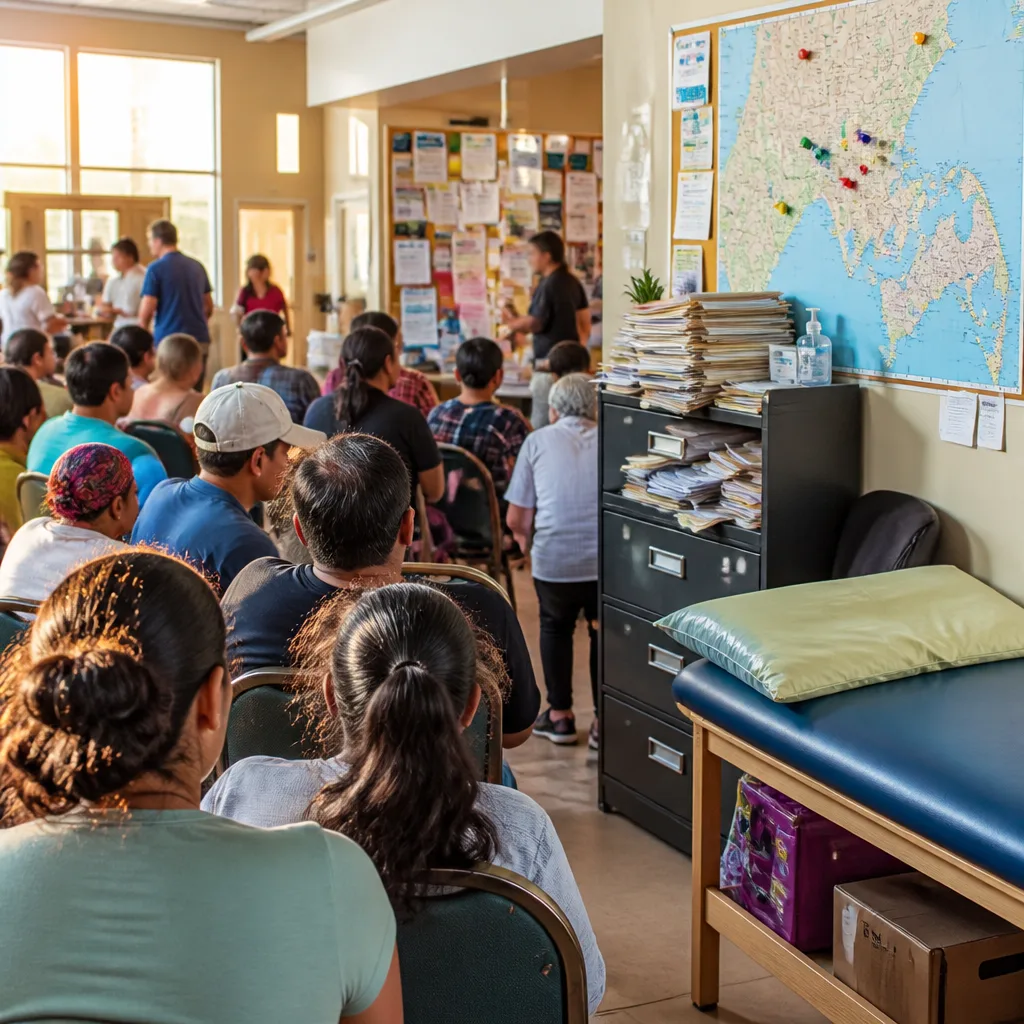
Community organisations play a vital role in the immediate aftermath of a detention, providing direct aid and peer support. But according to WGBH’s reporting, these groups rarely have social workers or clinical therapists on staff. Case managers and volunteers manage as best they can with limited resources, leaving many families without timely access to professional care.
“Accessing emotional and mental health support is especially challenging. It’s just not feasible,” said Reina Reyes, a community health worker and founder of the Community Healing Center Project, according to WGBH.
Reyes told reporters that people frequently face long waits for appointments — “they have to wait two months just to get an appointment with a psychologist” — and that health insurance is often out of reach. For families where a two‑income household is reduced to one, even small costs become prohibitive.
Barriers to care
WGBH’s reporting summarises multiple obstacles that prevent immigrants from getting clinical help, including:
- Long appointment waiting times for psychologists and psychiatrists;
- Lack of affordable health insurance or cost barriers for low‑income families;
- Fear that clinical settings may share information with immigration authorities;
- Cultural stigma around mental‑health care that discourages clinical treatment;
- Administrative hurdles and complex paperwork required to access low‑cost care.
Some hospital systems, particularly in urban centres, operate clinics with multilingual support. Yet immigrants often do not know about those services, cannot afford them, or are deterred by the bureaucratic processes needed to enrol in subsidised programmes, WGBH reported.
Reports and community responses
A 2026 report from the Harvard T.H. Chan School of Public Health and the Leah Zallman Center for Immigrant Health Research described the state of immigrant behavioural‑health services in Massachusetts as “siloed, under‑resourced, and without the durable funding needed to sustain and connect its many strengths,” according to WGBH.
Local organisations such as the Community Healing Center Project, and groups like Casa del Trabajador — where volunteer Juanita Namina helps connect families — provide crucial frontline support. Yet their capacity to deliver clinical mental‑health interventions remains limited.
| Metric | Report |
|---|---|
| Immigrants arrested (first 15 months of second Trump administration) | 7,000+ (WGBH) |
The absence of a durable, funded network of services leaves many survivors of detention and their families dependent on ad hoc assistance. WGBH’s reporting shows that community organisations attempt to fill gaps but cannot substitute for sustained clinical programmes or state‑level coordination.
Implications for policy and practice
WGBH’s coverage underlines several policy considerations. Improving access requires not only funding but also trust‑building measures so immigrants feel safe using clinical services. Language access, simplified administrative procedures, and outreach to raise awareness about existing clinics are practical steps noted in the reporting. Without them, long waiting lists and financial barriers will continue to prevent timely care.
For clinicians and community health workers, the reporting is a reminder that survivors of detention may present with complex trauma that benefits from integrated, culturally competent care. Those seeking help should approach a local clinic, community health centre or their family doctor for referral — and avoid self‑diagnosis. Clinical assessment and therapy remain the most reliable paths to recovery for people with severe stress, depression or post‑traumatic symptoms.
WGBH’s series on detention and mental health highlights the human toll of enforcement policies and the limits of community responses when formal systems are not in place. The report calls for coordinated, sustained investment so that the behavioural‑health needs of immigrants are met, not deferred.











