
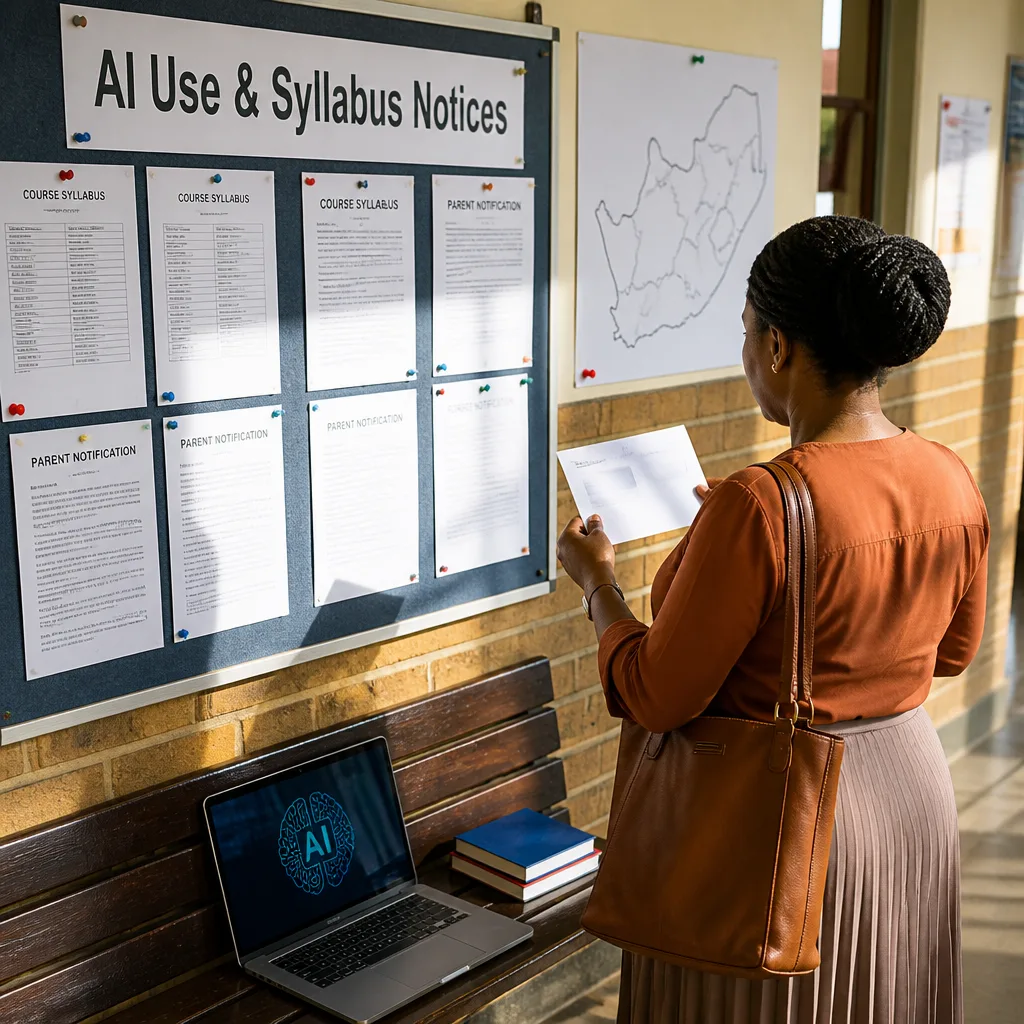
Florida education authorities are preparing a broad set of policies that would require public schools, colleges and universities to regulate how artificial intelligence (AI) is used in teaching and learning, from pre‑kindergarten through doctoral programmes.
System‑wide rules target syllabus disclosures and parental notification
The proposals, emerging from the state’s Task Force on Artificial Intelligence and Cybersecurity, would make each campus and school district adopt rules on AI use. At the higher education level, the Florida Board of Governors is set to consider language that would oblige campuses to include disclosures in course syllabi about both faculty use of AI and what student use is permitted.
For younger learners, the Florida Board of Education will vote on a rule on 16 September that, if adopted, would require districts and charter school governing boards to amend their internet safety policies to mention AI. The draft rule sets a deadline for adoption by local boards of 1 July 2027.
“establish policies requiring all course syllabi to include a disclosure of faculty use and permitted student use of artificial intelligence.”
The draft rule emphasises protection of student records and information while also linking AI policy to educational goals such as academic achievement, civic literacy and workforce readiness.
What the draft requires schools to do
Although the rules will be implemented at the institutional level, the draft sets a baseline of expectations for districts and colleges. Key elements include:
- Notifying parents when a teacher approves an AI instructional tool for classroom use, including the tool’s name and the manner of student interaction;
- Ensuring approved uses of AI protect education records and student information;
- Requiring districts and campuses to craft policies that prevent unlawful, deceptive, unsafe or unauthorised uses of AI in educational operations.
The rule does not, according to the reporting, require legislative ratification to take effect; rather, it would be a directive that local education authorities implement by the July 2027 deadline.
Implications for teachers, parents and institutions
The proposals touch on several contested areas in classroom practice. For teachers, mandatory syllabus disclosures would formalise expectations about when and how educators may employ AI tools in lesson planning, assessment and feedback. For parents, the notification requirement aims to increase transparency about digital tools used with learners.
At institutional level, colleges and universities would need to develop compliance mechanisms to safeguard student data and align approved AI uses with pedagogical goals. The move signals a shift from ad hoc use of generative AI towards regulated adoption within public education systems.
Context for South African educators
Although the proposals are a US state initiative, they offer practical examples for South African education stakeholders considering AI governance. Questions that arise include how to balance innovation with privacy and academic integrity, how to communicate choices to parents and learners, and how to support teachers with policy and professional development.
| Level | Proposed requirement |
|---|---|
| Universities | Course syllabi must disclose faculty and permitted student AI use |
| Pre‑K–12 | Districts to update internet safety policies to include AI; parental notification required |
| All institutions | Policies to protect student information and guard against unlawful or unsafe AI uses |
For policymakers and school leaders, the Florida approach demonstrates an attempt to create minimum standards across varied institutions while leaving details to local authorities. For teachers and parents, the draft rules underscore the need for clarity about what AI tools will be used, how they will interact with learning, and what safeguards are in place for pupil data.
Next steps include the Board of Governors’ review and the Board of Education vote on 16 September. If the Board of Education adopts the rule, local school boards will be required to put compatible policies in place by mid‑2027.
While the debate over AI in classrooms continues globally, the Florida proposals illustrate how jurisdictions are moving from discussion to regulation — a development that South African education stakeholders may watch as they consider their own approaches to AI governance in schools and higher education.











