Fifty years after landmark special education legislation reshaped classrooms, academics from the Indiana University School of Education say the next phase must focus on preparing teachers with practical, evidence-based skills to support learners with diverse needs.
Teacher preparation placed centre stage
The podcast episode “The State of Education (1 of 2): Special Education”, published 24 August 2026, brings together Dean Robert Berry with faculty members Sarah Hurwitz and K. Alisa Lowrey to examine how decades of law, research and practice have reshaped schooling for learners with disabilities — and what remains unresolved.
According to the programme description, the conversation ranges across topics that include autism, inclusion, Universal Design for Learning (UDL), teacher preparation and the design of learning environments to support students with diverse needs. The guests explore how schools of education can equip tomorrow’s teachers with the knowledge and skills necessary to serve every learner.
Key themes from the discussion
- Inclusion and UDL — educators discussed moving past segregated approaches towards learning environments designed to accommodate a wide range of needs.
- Autism and early intervention — research and practice on supporting autistic learners, with an emphasis on interventions that are feasible in real classrooms.
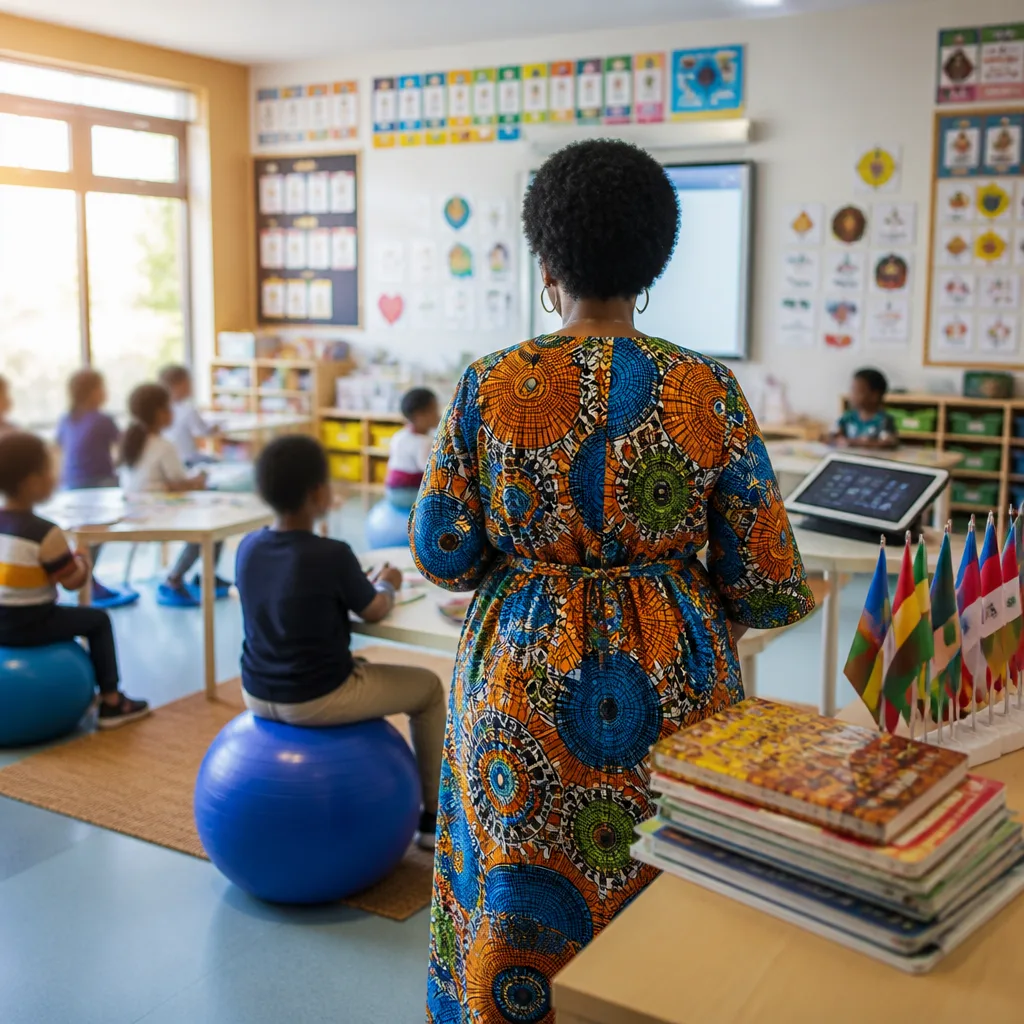
- Teacher preparation — preparing teachers with both knowledge and practical strategies for implementation.
- Functional behaviour assessment and school discipline — approaches that address behaviour while supporting academic and social outcomes.
- Global perspectives — Hurwitz’s Action for Access lab works with partners in Ghana, India, Poland and Hungary to advance inclusive education internationally.
The episode highlights the continued evolution of special education practice and policy since the major US laws of the 1970s and later, and identifies teacher education as a pivotal area for future progress.
Research linked to classroom feasibility
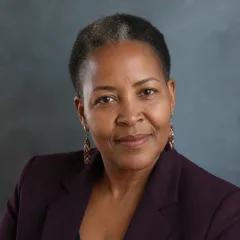
Sarah Hurwitz’s research interests, as described in the episode notes, include autism, early intervention, functional behaviour assessment, school discipline and the academic, behavioural and social outcomes of students with disabilities. Her work focuses on designing and evaluating interventions that are both effective and feasible in real-world school settings.
K. Alisa Lowrey’s scholarship concentrates on preparing educators to support people with intellectual and developmental disabilities, including autism. Her role as the Edward A. and Mary Lou Otting Chair in Intellectual Disabilities places teacher training and curriculum development at the heart of the discussion.
| Participant | Role / Focus |
|---|---|
| Robert Berry | Programme host / Dean |
| Sarah Hurwitz | Associate Professor; research on autism, early intervention and functional behaviour assessment |
| K. Alisa Lowrey | Professor; focus on intellectual and developmental disabilities and teacher preparation |
By emphasising both evidence-based practice and classroom feasibility, the episode points to a pragmatic agenda: teacher training programmes must translate research into strategies teachers can use under real-world constraints.
Implications for educators and policy
While the discussion is framed by US education policy and research, its central concerns — inclusion, practical teacher preparation, early intervention and the need for scalable classroom supports — will resonate with education systems elsewhere. Preparing teachers to enact UDL, conduct functional behaviour assessments, and apply interventions that work in ordinary classrooms are challenges that shape everyday outcomes for learners with disabilities.
For policy-makers and teacher educators, the episode suggests two priorities: invest in pre-service and in-service training that emphasises evidence-based, feasible practices; and build partnerships that translate research into classroom-ready resources. Hurwitz’s Action for Access collaborations with partners in Ghana, India, Poland and Hungary also point to the value of international exchange in improving inclusive practice.
Ultimately, the podcast frames special education’s next half-century as less about new laws than about better preparation of those who teach and support learners in daily practice.