
Scholars Ian Rowe and Brad Wilcox argue that family structure and stability are routinely omitted from debates about student achievement, and that this omission weakens attempts to explain and remedy disparities in test scores, matric pass rates and higher-education access. The point was set out in an opinion piece reported in The Wall Street Journal and reiterated by a founder of Cornerstone Schools in Washington, D.C., who drew on nearly three decades of school leadership experience.
Schools matter — but they have limits
The article’s author, who helped establish Cornerstone and later served as its principal and executive director, acknowledged that effective schools can make a profound difference. Cornerstone, described as a Christ-centred, nurturing and academically rigorous institution, showed that dedicated teachers, high expectations, small classes and moral formation can change the direction of a child’s life.
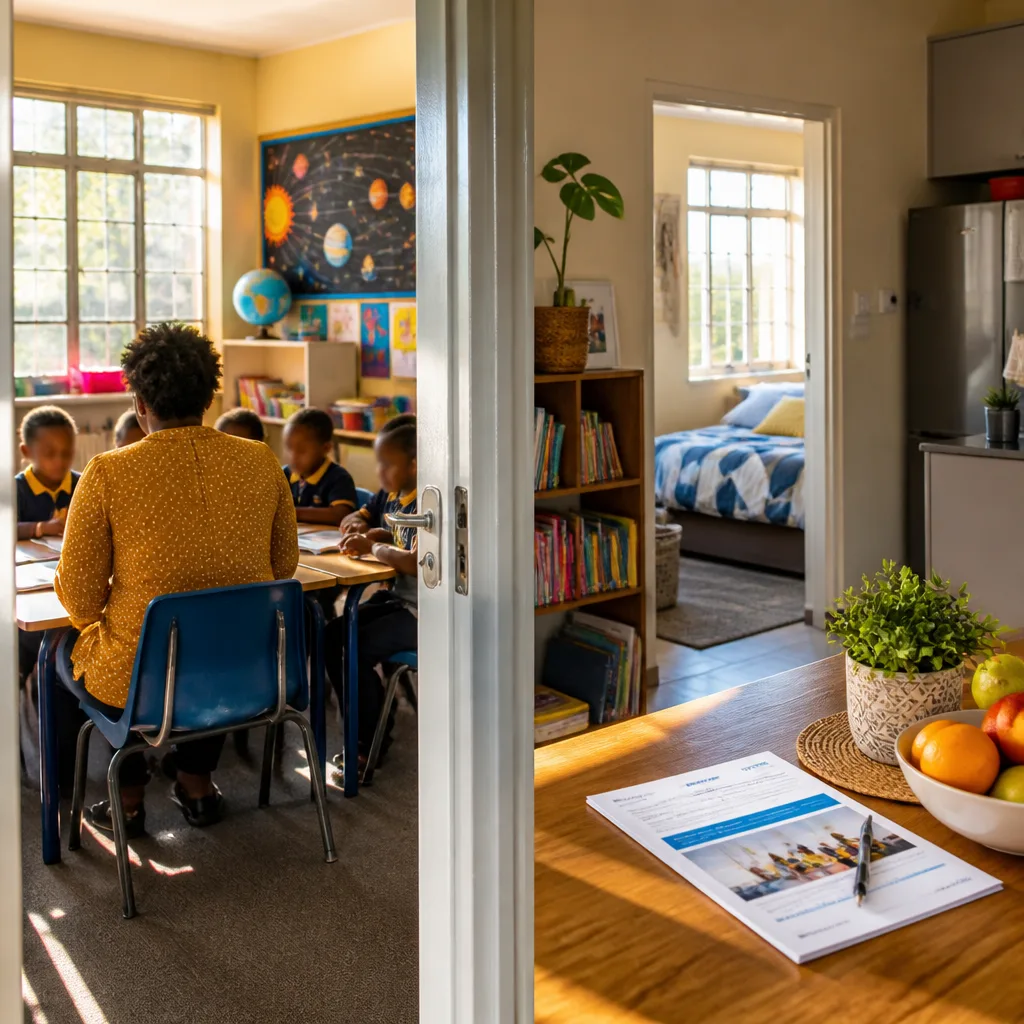
But the author stressed the limits of what schools can achieve within the school day and across a child’s school career. Teachers, the piece argued, cannot fully compensate for what happens in the other 18 hours of a child’s day or for years of experience before formal schooling begins. The author listed several concrete examples of how home circumstances shape learning:
- Children who rarely encountered books before school miss out on early literacy exposure that teachers cannot retroactively provide.
- Years of unstable housing, family conflict, abandonment, violence or neglect create emotional and practical barriers to learning.
- Schools cannot, within a six- or seven-hour day, supply the continuous supervision, discipline, encouragement and security that a stable two-parent household may provide.
Implications for policy and practice
The argument reframes policy questions: when policymakers examine disparities in achievement, they should consider family stability alongside funding, teacher quality, poverty and systemic discrimination. The author did not dismiss those factors; rather, they argued that omitting family structure produces an incomplete diagnosis and therefore incomplete remedies.
Framing the problem this way has several practical consequences for education systems and planners:
- Interventions that work only during school hours will be insufficient to close some achievement gaps.
- Early childhood conditions — including access to books and stable caregiving — are critical to later school success.
- Policy design should account for out-of-school supports and family-centred services, not only changes inside classrooms.
| Factor | What schools can do | What schools cannot fully replace |
|---|---|---|
| Early literacy exposure | Provide targeted reading programmes and catch-up lessons | Years of bedtime stories and home reading culture |
| Emotional security | Offer counselling and supportive teacher relationships | Long-term stability of caregiving and housing |
Those conclusions are particularly relevant for South Africa, where high levels of poverty, housing instability and varied family arrangements intersect with school challenges. While the author’s examples come from work in Washington, D.C., the core lesson is transferable: effective schooling must be complemented by policies that address learners’ lives outside the classroom.
A solutions-minded approach
The author’s reflection calls for a balanced policy mix: invest in school quality while also expanding supports that reach into the early years and the home environment. That could mean strengthening early-childhood programmes, linking schools with family services, and designing wraparound supports that acknowledge the realities of caregivers juggling multiple jobs or living in unstable conditions.
Placing family stability on the policy agenda does not shift blame onto single parents; the author explicitly noted that many single caregivers work tirelessly and that children from a range of family types succeed or struggle. Rather, the point is pragmatic: understanding the full ecosystem of a child’s life improves the chances that reforms will translate into better learning outcomes.
As education departments and policymakers evaluate strategies to raise achievement, the argument presented by Rowe, Wilcox and the Cornerstone practitioner offers a reminder: stronger schools are necessary but not sufficient. To close persistent gaps, interventions must extend beyond classroom walls and consider the conditions in which children live, learn and grow.