
Renewed fighting in Yemen has severely disrupted education for more than 137,000 school-age children, the UN Children’s Fund (UNICEF) reported, as families flee combat zones and access to schools breaks down.
Emergency learning spaces and protection services
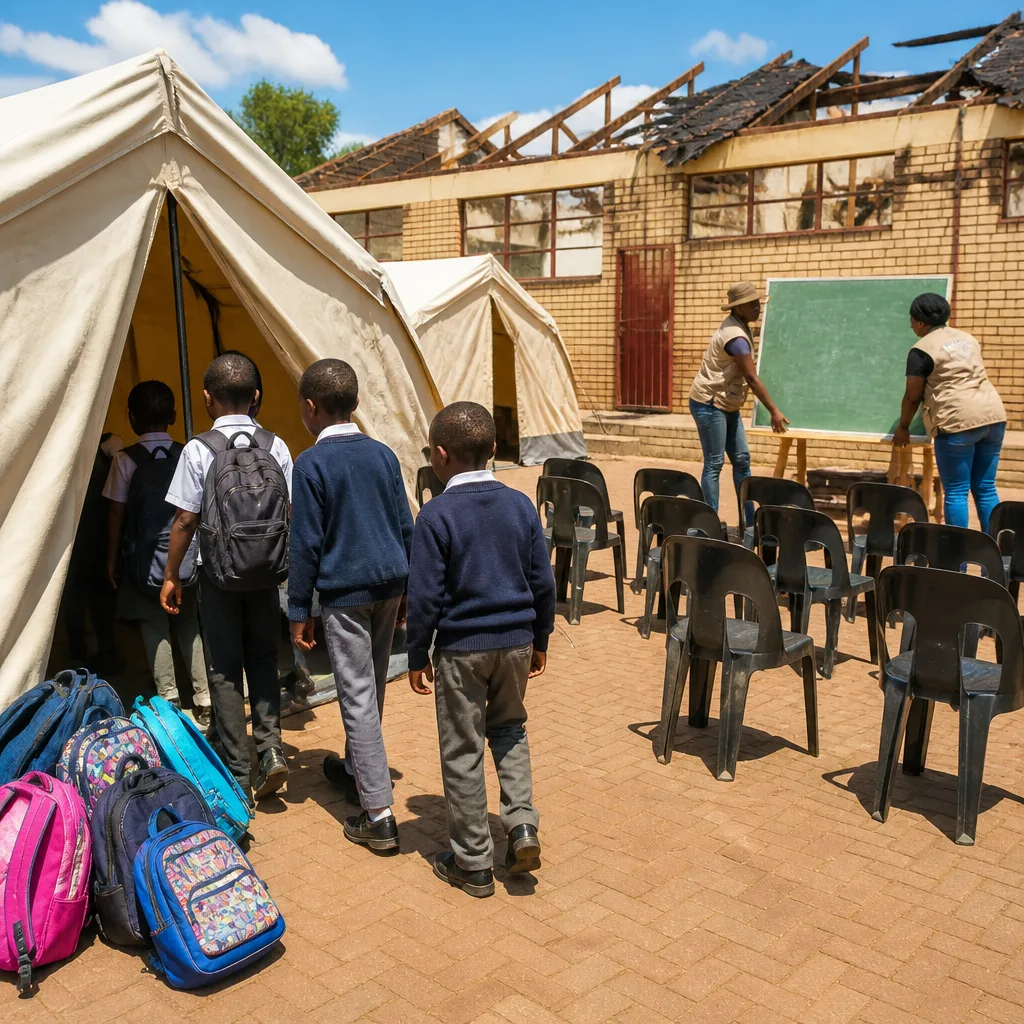
UNICEF response teams are establishing child-friendly facilities and temporary classrooms to restore learning where schools can no longer operate. The agency has set up 20 temporary learning and child-friendly spaces, and is providing a range of protection services for affected children, the Anadolu Agency reported, citing UNICEF.
“Children must not lose their future because of the conflict,”
The statement underlines UNICEF’s concern that interrupted schooling risks long-term harm to children’s development, safety and prospects.
Displacement and humanitarian assistance
The resumption of hostilities has forced families to leave their homes in parts of Taiz province in the west and in locations along Yemen’s western coast. UNICEF, together with the UN Population Fund and the World Food Programme, said they are providing emergency support to more than 14,000 recently displaced people.
- Children affected: 137,000 school-age children facing disruption
- Temporary learning spaces: 20 child-friendly/temporary classrooms established
- Displaced assisted: 14,000 people receiving emergency aid
The agencies’ response focuses on maintaining some continuity of learning through safe, temporary spaces and addressing immediate protection and basic needs for displaced families.
Wider context of the conflict
The renewed confrontations pit the forces of Yemen’s internationally recognised government against Houthi fighters. UNICEF and reporting partners say the conflict escalated from early July, after several years in which relative calm had prevailed in some areas.
Yemen’s war has been ongoing since 2014, when Houthi forces seized the capital, Sanaa, and other provinces. In 2015 an Arab coalition led by Saudi Arabia intervened in support of the internationally recognised government. The prolonged fighting has repeatedly interrupted public services, destroyed infrastructure and displaced large numbers of people, with children and schools among those most affected.
Consequences for learners and educators
Interruptions to formal schooling can have immediate and long-term consequences: learners miss critical classroom time, national curricula fall behind schedule, teachers lose contact with their pupils, and children face increased risks to their protection and wellbeing. In crisis settings, temporary learning centres and child-friendly spaces aim to provide stability, psychosocial support and some continuity of education while humanitarian partners work to restore permanent schooling.
| Measure | Number |
|---|---|
| Children with education disrupted | 137,000 |
| Temporary child-friendly/learning spaces | 20 |
| Displaced people assisted | 14,000+ |
Humanitarian coordination remains crucial to scale up education and protection services. UNICEF’s actions — establishing learning spaces and delivering protection assistance with other UN agencies — seek to reduce the immediate harm to children and preserve their right to education amid shifting frontlines.
For South African educators and policymakers, the situation in Yemen illustrates how conflict rapidly undermines schooling and how emergency education interventions operate in practice. Lessons from such responses include the need for rapid assessment, flexible learning modalities, trained personnel for child protection, and coordination between education and other humanitarian sectors to sustain learning and safeguard children.
UNICEF’s figures and response plans were reported by the Anadolu Agency on the basis of the agency’s statement. The organisation emphasised that preserving children’s learning and protection must remain a priority as the fighting continues.











