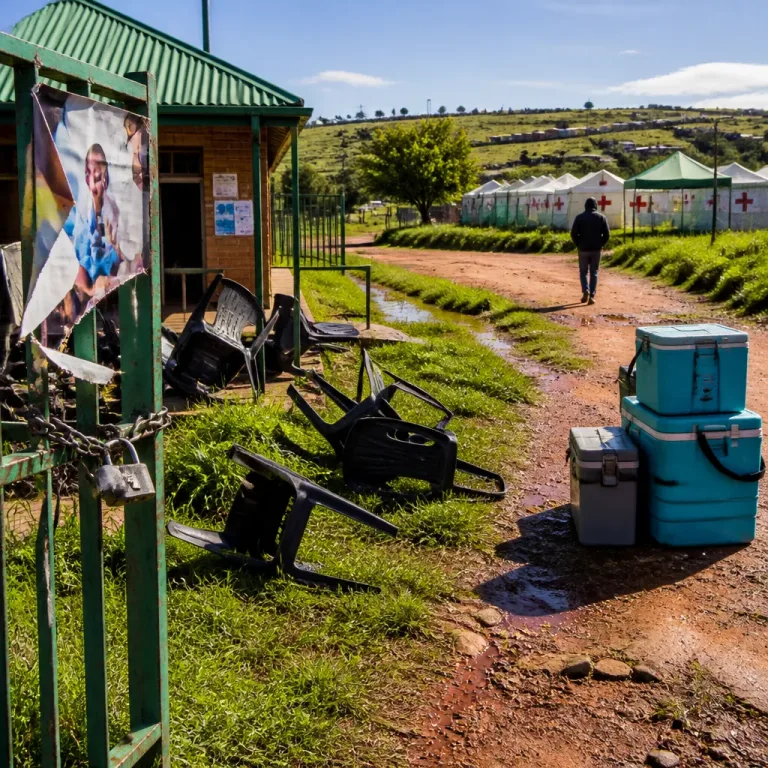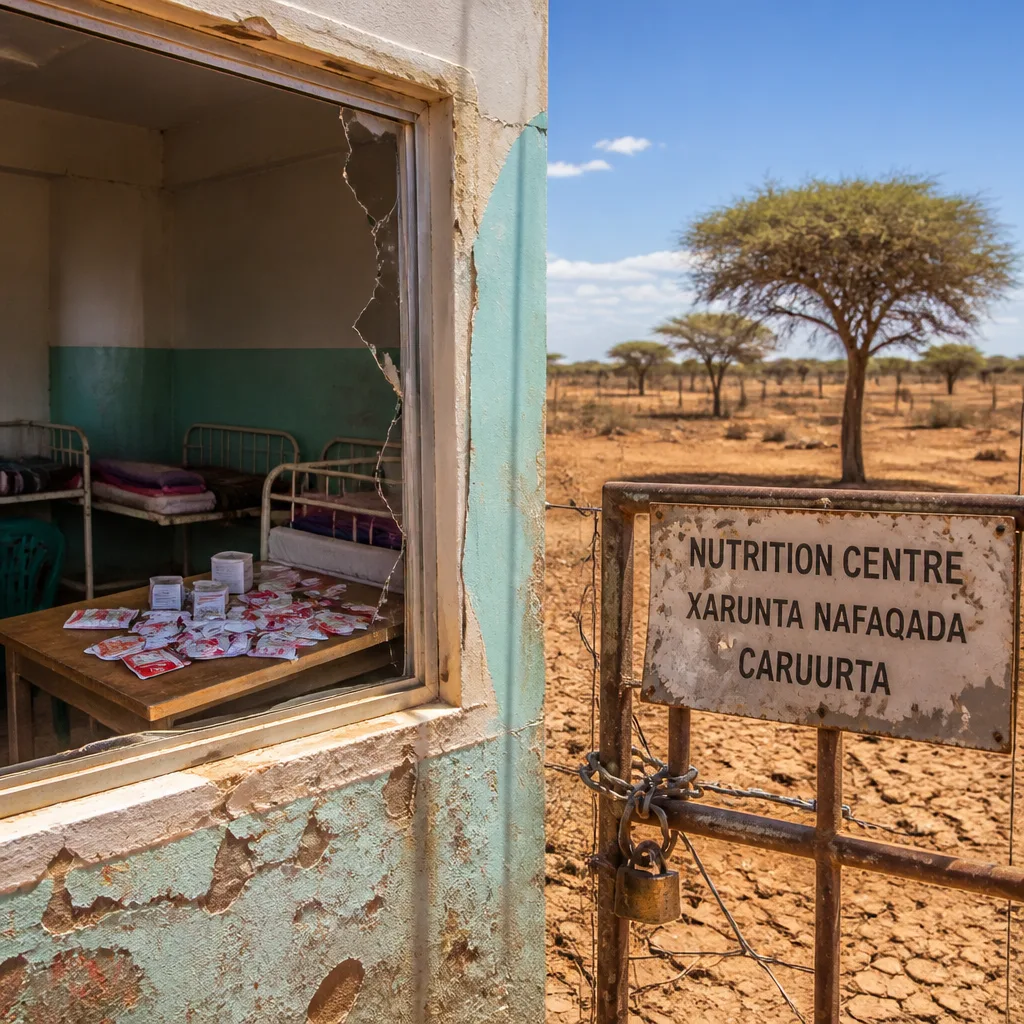
More than 200 health and nutrition facilities in Somalia have been closed after cuts to humanitarian aid, the UN children’s agency UNICEF said, as the country records a worrying rise in severe child malnutrition amid drought, conflict and looming flood risks.
Services shut while needs grow
At a briefing in Geneva, UNICEF Spokesperson James Elder said the closures had an immediate effect on children’s access to care. According to the agency, 205 health and nutrition facilities have already shut their doors. In the first six months of this year, admissions of children to stabilisation centres with severe acute malnutrition and complications rose by 32% compared with the same period last year.
“In Somalia today, aid cuts are closing doors to healthcare, shutting down nutrition services, and pushing water, education and protection further out of reach. As ever, children are paying the price,” James Elder said at the Palais des Nations press briefing.
UNICEF warned that closures mean longer journeys for mothers and babies to reach care; delayed treatment increases the risk of severe illness and preventable death. The agency urged sustained international support to prevent further deterioration of child health and protection services.
Multiple pressures on families
UNICEF highlighted several factors that are intensifying needs across Somalia:
- Severe drought in parts of northern Somalia;
- Ongoing conflict and displacement;
- Rising costs for fuel and fertiliser linked to the war in Iran, according to the agency;
- A record-strength El Niño that is expected to increase the risk of severe flooding in coming months.
The combination of climate shocks, insecurity and economic pressures is stretching already fragile services. UNICEF emphasised that this is a moment when donor support is most needed rather than being reduced.
Hard numbers, stark consequences
| Indicator | Figure |
|---|---|
| Health and nutrition facilities closed | 205 |
| Increase in child admissions for severe acute malnutrition (first half of 2026 vs 2025) | 32% |
UNICEF warned that without sufficient funding, millions of children could be affected as services across health, nutrition, water, education and child protection are scaled back. The agency called on the international community to maintain and increase humanitarian funding to protect vulnerable children and help families withstand the worsening crisis.
What this means for parents and health workers
Closed clinics and reduced outreach services force families to travel further for treatment. For children with severe acute malnutrition, delays in accessing stabilisation centres can be life‑threatening. Health workers operating in displaced-person camps and insecure areas face greater logistical challenges to deliver therapeutic feeding, vaccinations and basic child health interventions when funding and supplies are cut.
UNICEF’s briefing also noted the potential compounding effect of heavy rains and floods from a strong El Niño, which could reverse any gains in food security and disease control by damaging infrastructure, spreading waterborne disease and displacing more families.
Health professionals advising parents stress the importance of seeking care early for children showing signs of malnutrition — including severe weight loss, swelling, lethargy or difficulty feeding — and to consult local clinics or humanitarian health providers for assessment and treatment.
The agency’s appeal underscores a wider lesson for donors and policy-makers: humanitarian funding decisions have immediate health consequences, especially for children. UNICEF urged that support must be sustained now to prevent avoidable suffering and deaths among Somalia’s most vulnerable.
Readers with concerns about malnutrition or child health should consult a health clinic or their doctor; do not attempt to self-diagnose or treat severe malnutrition at home.