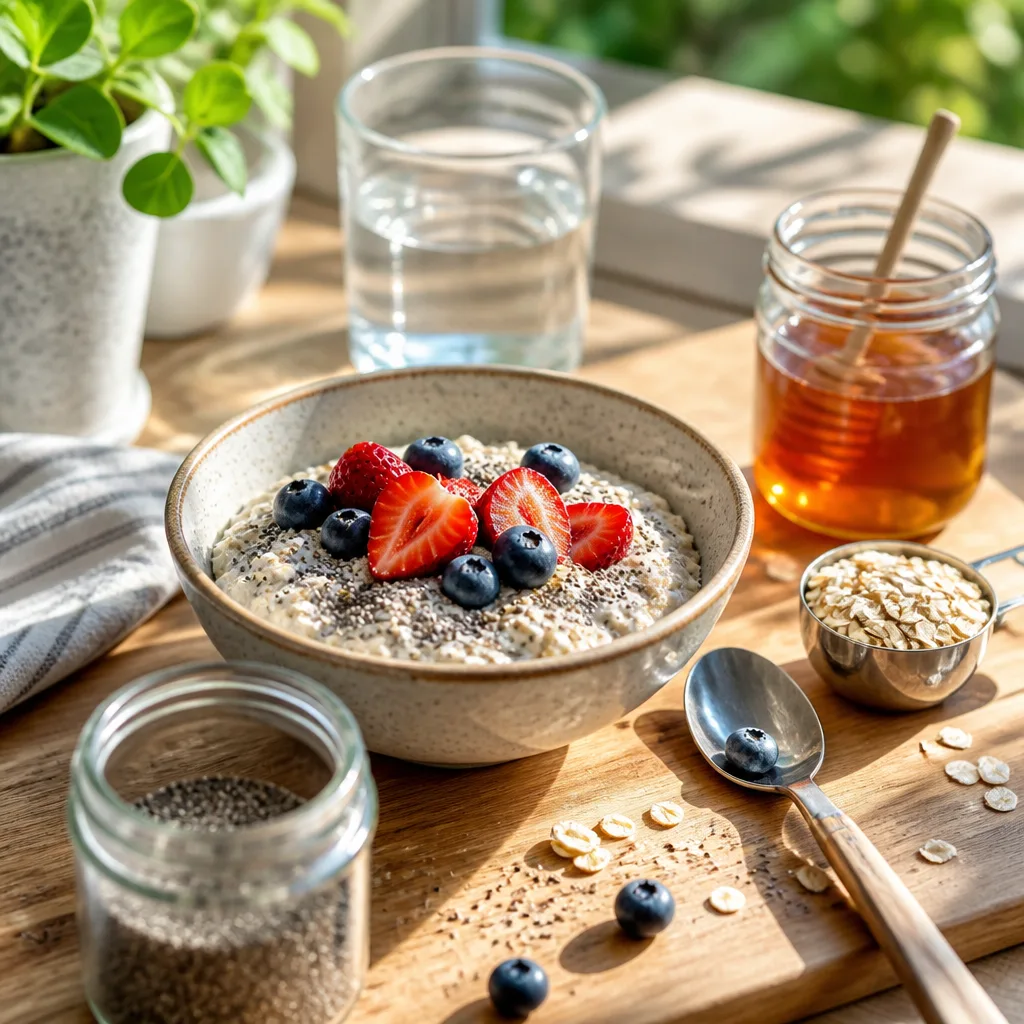
Both chia seeds and oats can support gut health, but they do so in different ways. Nutrition experts note that the two foods are not mutually exclusive — each brings a mix of fibre and other bioactive compounds that can assist digestion and feed beneficial intestinal microbes.
What each food contributes
Chia seeds are unusually dense in fibre for their size. A typical two-tablespoon serving provides around 10 grams of fibre, including both soluble and insoluble forms. Soluble fibre forms a gel when it absorbs water, adding bulk to stool and helping it move through the gut; insoluble fibre helps maintain regularity. In addition to fibre, chia seeds contain plant-sourced omega-3 alpha-linolenic acid (ALA) and several antioxidants and polyphenols such as chlorogenic acid, caffeic acid, quercetin and kaempferol, compounds that may help counter oxidative stress and influence gut microbes.
"Chia seeds pack a lot of fiber for one spoonful — making it an easy way for people to fill their fiber gap," said Amanda Sauceda, M.S., RDN, in reporting on the foods' effects.
Oats also provide a blend of fibres, including beta-glucan, a soluble fibre that has been linked in research to reduced inflammation and to increases in beneficial gut bacteria. Oats contain vitamins, minerals and phytochemicals that can contribute to overall digestive and metabolic health.
How they affect gut bacteria and inflammation
Both foods act as substrates for the intestinal microbiome. Soluble fibres are fermented by gut bacteria, producing short-chain fatty acids that nourish colon cells and can have anti-inflammatory effects. The evidence base for oats includes research showing associations with reduced markers of inflammation and shifts in gut bacterial communities. For chia seeds, research points to their high fibre load and polyphenols as plausible mechanisms for supporting microbial balance, though the direct evidence base is still developing.
Which to choose — and when
Your choice can depend on practical and clinical considerations:
- If you need to raise fibre quickly: chia seeds are an efficient source — a small serving provides significant fibre.
- If you want to target inflammation or support specific gut bacteria: oats, particularly those high in beta-glucan, have stronger evidence for reducing inflammatory markers and positively altering microbiota.
- If you have digestive sensitivity: introduce both gradually and drink adequate fluids; the gel-forming property of chia can be helpful for constipation but may cause discomfort if increased too rapidly.
Combining both can be a practical strategy. For example, adding a spoonful of chia to a bowl of cooked oats or using them together in overnight oats provides a mix of fibres and phytochemicals that may produce complementary effects.
| Feature | Chia seeds | Oats |
|---|---|---|
| Key fibre type | Soluble and insoluble; gel-forming mucilage | Soluble (beta-glucan) plus some insoluble |
| Typical fibre per serving | ~10 g per two tablespoons | Varies; lower per same volume but substantial per cooked portion |
| Other notable nutrients | ALA (omega-3), polyphenols, antioxidants | B-vitamins, minerals, phytochemicals |
| Evidence for inflammation reduction | Emerging | Stronger for beta-glucan effects |
Practical advice and cautions
Health professionals recommend increasing fibre intake gradually to reduce the risk of bloating and cramping, and to maintain adequate fluid intake when consuming gel-forming fibres such as chia. People with specific medical conditions — for example, those requiring a low-fibre diet for medical reasons, or individuals with dysphagia (difficulty swallowing) who may be affected by chia’s gel — should consult a clinician or dietitian before making changes.
For most adults, aiming for a varied diet that includes whole grains, legumes, fruit, vegetables and sources of healthy fats will support gut health more reliably than focusing on a single superfood. Both chia and oats can be useful components of that dietary pattern.
Consult your doctor or a registered dietitian for personalised advice rather than self-diagnosing or relying solely on single-source claims. Dietary choices that support gut health are best made in the context of overall health, medication use and lifestyle.