BSI training at APRC highlights Arunachal's fungal wealth and need for documentation
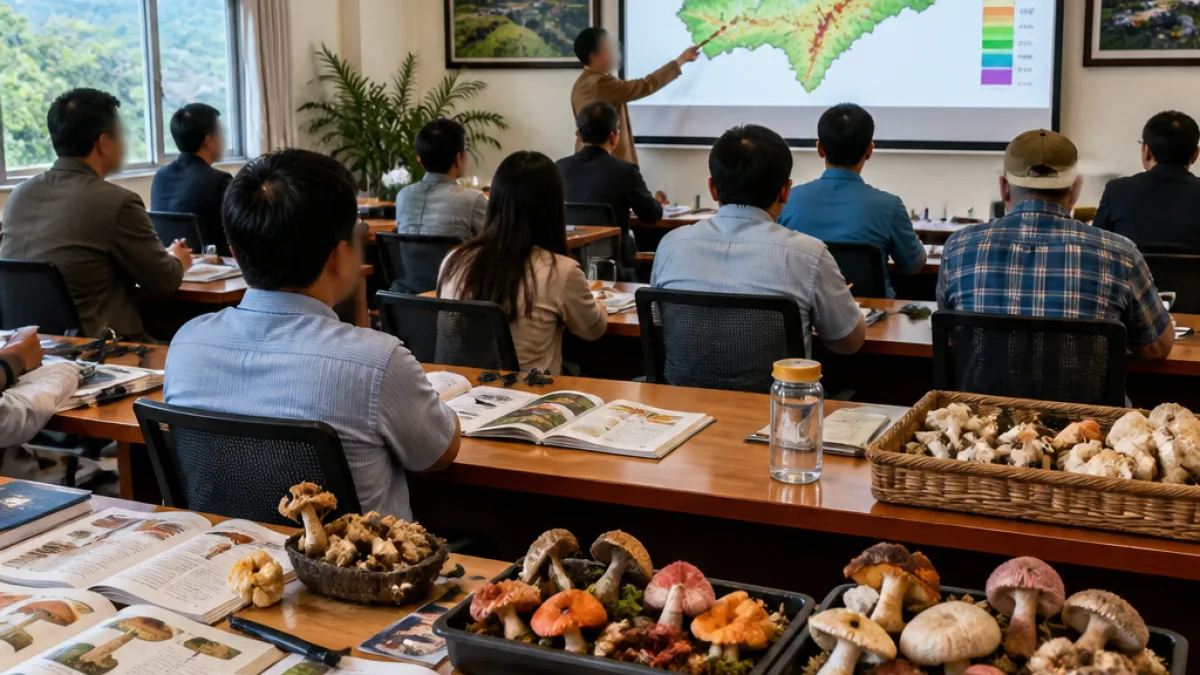
The Botanical Survey of India (BSI), Itanagar, organised a Training Programme on Plant Taxonomy with Special Emphasis on Mushrooms at the Arunachal Pradesh Research Centre (APRC) in Itanagar on Thursday, emphasising the importance of scientific documentation and conservation of fungal resources in the state.
The event was attended by elected and scientific representatives from the state and national levels, including Mebo MLA Oken Tayeng, Dr. Kanad Das, Director, BSI; Dr. Krishna Chowlu, Head of Office, BSI, APRC, Itanagar; and several academics and researchers from regional institutions. Officials and resource persons outlined the unique ecological conditions that underpin Arunachal Pradesh's plant and fungal diversity.
“I extend my sincere appreciation to the Botanical Survey of India for organising this meaningful programme. Understanding our biodiversity is the first step towards protecting it. Conservation must go hand in hand with scientific research and sustainable development,”
— Mebo MLA Oken Tayeng, addressing the gathering.
Speakers at the programme drew attention to Arunachal Pradesh's broad altitudinal range, varied climatic zones and diverse habitats, which together support a high number of rare, threatened and endemic species of plants and fungi. Resource persons stressed that without systematic surveys and reliable taxonomic records, these taxa remain vulnerable to loss through habitat change and unsustainable use.
- Focus areas: plant taxonomy methods, mushroom identification, documentation techniques and conservation practices.
- Participants: scientists, faculty members, students and other stakeholders from regional institutions.
- Institutions represented: BSI, APRC Itanagar; Rajiv Gandhi University; Himalayan University; State Horticulture Research and Development Institute, Itanagar.
Key resource persons listed in the programme included Dr. Arindam Barman, Head, Department of Horticulture, Rajiv Gandhi University; Dr. Raja Hussain, Dean, Academic Affairs, Himalayan University; Dr. Egam Basar, Director, State Horticulture Research and Development Institute, Itanagar; and Dr. Chandramohan K., Scientist ‘B’, BSI. The mix of taxonomists, horticulturists and academic faculty aimed to equip participants with both field skills and institutional perspectives on conservation.
Speakers underlined two practical imperatives: comprehensive field surveys to build baseline species lists, and standardised scientific documentation so that species can be assessed for threat status and conservation priority. They also highlighted the role of local capacity building—training students and early-career scientists—to sustain long-term monitoring and research.
Organisers framed the training as part of broader efforts to integrate biodiversity knowledge into sustainable development planning in the state. While the programme focused on fungi, resource persons noted that mushrooms are integral to forest ecosystems—contributing to nutrient cycling and forming symbiotic relationships with plants—and may have cultural and livelihood significance in local communities.
| Item | Detail |
|---|---|
| Event | Training Programme on Plant Taxonomy (Special Emphasis on Mushrooms) |
| Venue | Arunachal Pradesh Research Centre (APRC), Itanagar |
| Organiser | Botanical Survey of India, Itanagar |
| Notable attendees | Mebo MLA Oken Tayeng; Dr. Kanad Das; Dr. Krishna Chowlu; Dr. Arindam Barman; Dr. Raja Hussain; Dr. Egam Basar; Dr. Chandramohan K. |
For Itanagar and the state at large, officials said the immediate outcomes expected from such exercises include improved species inventories, trained personnel capable of conducting field identification and documentation, and enhanced inter-institutional collaboration. Over the longer term, systematic taxonomic work can inform conservation priorities, guide habitat protection measures and support sustainable use policies.
Participants included students and faculty who will be at the forefront of field surveys and documentation efforts. Organisers said follow-up activities and continued collaboration between BSI and state research bodies would be necessary to convert the training into sustained scientific output and conservation action.