New Delhi: India’s relationship with Israel has evolved into a closer strategic and defence partnership even as the Israel–Gaza conflict drew global criticism, an examination of recent reporting and an Amnesty International probe shows.
Shift from Non‑Alignment to defence collaboration
Under Prime Minister Narendra Modi, India’s ties with Israel have taken on a markedly different character from the country’s earlier posture as a champion of the Palestinian cause and a leading voice in the Non‑Aligned Movement. Analysts cited in the source material say the change encompasses diplomacy and extends into strategic defence cooperation.
A foreign policy expert, Stanly Johny, described the change as not merely political but “
it’s also at the strategic and defence level”, signalling a broadening of the relationship beyond traditional buyer‑seller arms deals into joint ventures and manufacturing partnerships.
Amnesty probe: shipment‑level tracing
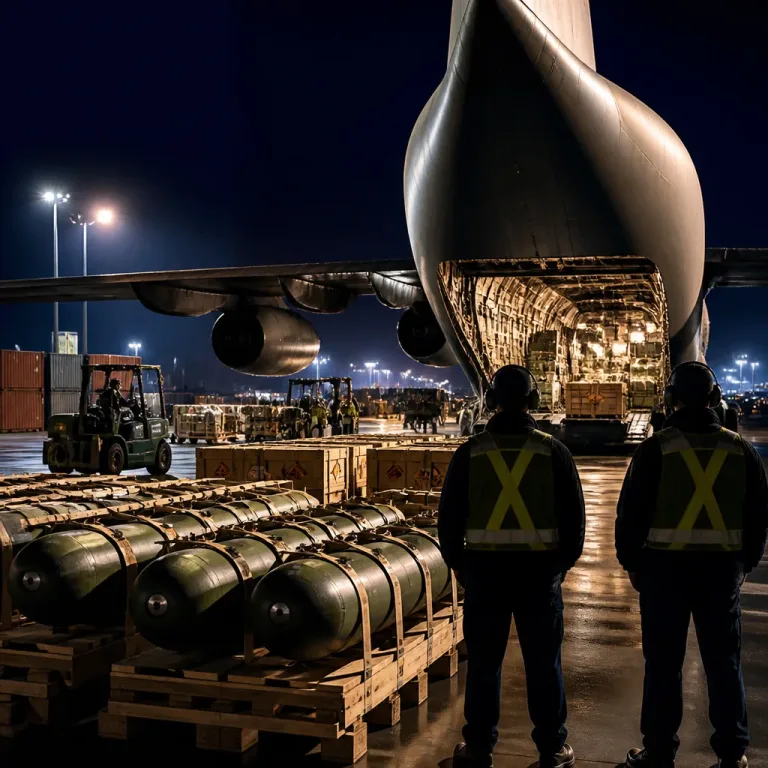
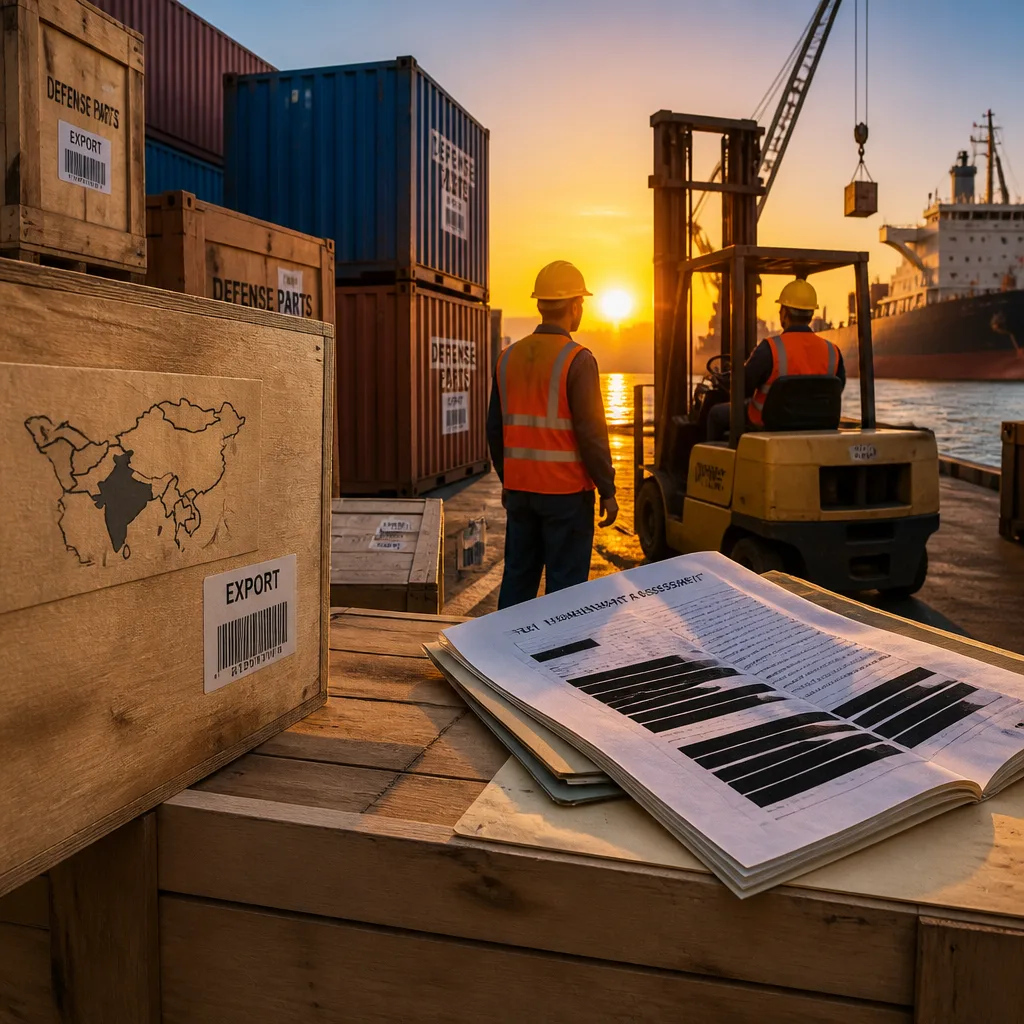
An Amnesty International investigation, as reported, used publicly available shipment‑level trade data to trace flows of military components from Indian factories to Israeli military suppliers during the period from 7 October 2023 to 30 November 2025. The organisation characterised India as having moved from being principally a customer of Israeli military hardware to becoming a significant contributor to Israel’s weapons production chain.
The Amnesty findings, as summarised in the reporting, catalogue large volumes of parts and components provided by Indian firms — including entities described as state‑owned — that were incorporated into weapons systems.
| Component type | Quantity traced |
|---|---|
| Small arms parts | 390,516 |
| Parts of explosive ordnance | 564,970 |
| Military vehicle components | 298 |
International context and contrasting responses
The Amnesty account comes against a backdrop in which several Western countries, including Britain, imposed restrictions or bans on arms supplies to Israel because of concern that equipment could be used in operations in Gaza. The reported involvement of Indian firms therefore highlights a divergence between New Delhi’s approach and the policies adopted by some Western capitals.
- India’s role reportedly spans deliveries of drone warheads, artillery shell casings, small arms parts and military vehicle components.
- The timeline of traced shipments begins on 7 October 2023 and extends through 30 November 2025, covering the period following the outbreak of intense hostilities in the region.
- The Amnesty work relied on public trade data to link Indian production to Israeli military suppliers.
Implications for Indian foreign policy and defence industry
The developments raise questions about how India balances strategic defence ties with broader diplomatic and humanitarian considerations. A policy shift that deepens defence industrial linkages with Israel may reflect New Delhi’s prioritisation of technology transfer, joint production and strategic autonomy in defence manufacturing.
At the same time, close defence collaboration with Israel risks attracting scrutiny from international human rights groups and countries that have curbed military trade with Tel Aviv in response to events in Gaza. The Amnesty findings, by mapping specific component flows, could intensify calls for greater scrutiny of defence exports and the end‑use of military supplies.
Any response from the Indian government, the companies implicated or Israeli authorities was not included in the source material. The reporting nonetheless underscores a significant recalibration in how India engages with Israel — from major customer to active participant in parts of Israel’s weapons supply chain — and the attendant diplomatic and reputational consequences.
This trajectory also poses policy dilemmas for New Delhi as it seeks to deepen defence capabilities and industrial partnerships while managing relations with other partners and international opinion on the war in Gaza.