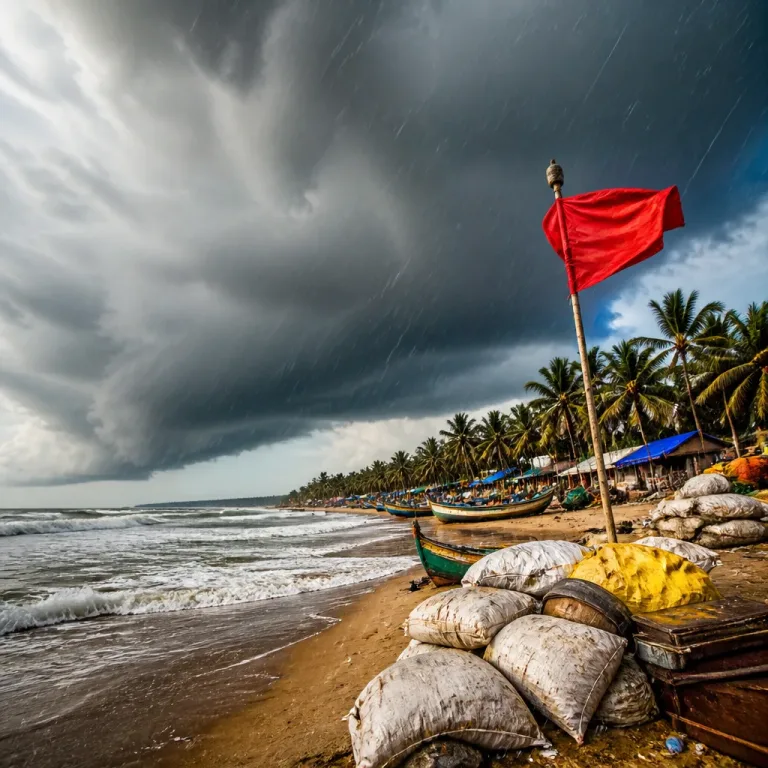
India experienced its warmest August since 1901, the India Meteorological Department (IMD) said on Monday, as a weak monsoon and developing El Niño conditions pushed mean temperatures above the long-period average and widened rainfall deficits across large parts of the country.
Temperatures and rainfall: key figures
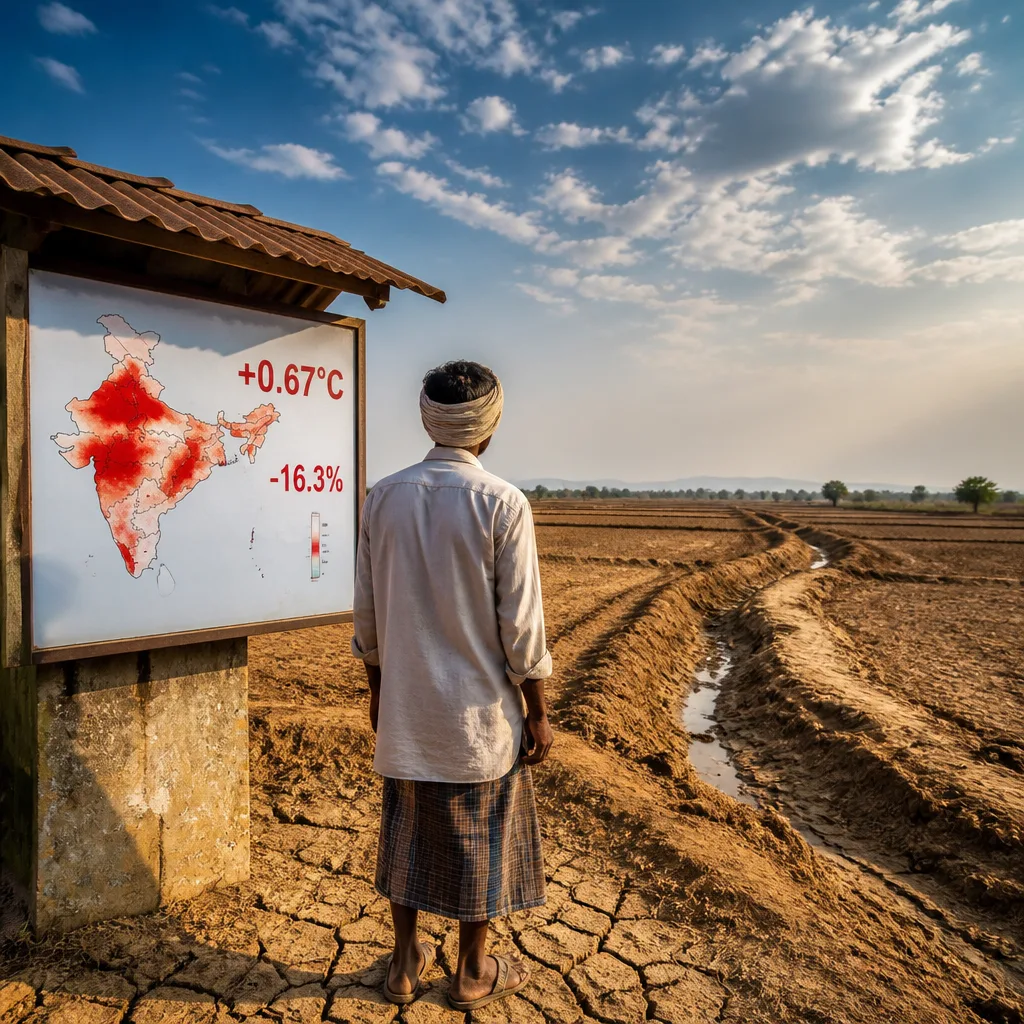
The IMD reported the national mean temperature for August at 28°C, about 0.67°C higher than the long-period average. Night-time temperatures also reached record levels for the month, the weather agency said.
Rainfall for August showed a shortfall of 16.3% against the long-period average. That contributed to a cumulative southwest monsoon deficit of almost 14% for the season so far. The IMD noted that over 47% of India’s 741 districts recorded deficient rains in August.
| Month | Rainfall departure |
|---|---|
| June | -35% |
| July | +1% |
| August | -16.3% |
El Niño influence and outlook
The IMD attributed the unusually warm August in part to emerging El Niño conditions in the equatorial Pacific, which it said compress air over the Indian region and favour higher temperatures. The weather agency maintains that the developing El Niño has been a major factor behind the subdued monsoon this season.
“This is a weak monsoon year. Also, when El Niño forms, then it causes significant compression of air over the Indian region, leading to warmer air and higher temperatures,” said Mrityunjay Mohapatra, director general of the IMD, according to the department’s statement.
The IMD also indicated that international climate models suggest a positive Indian Ocean Dipole may form in September, which has the potential to partially offset El Niño’s suppressing effect on rainfall. Nevertheless, the department expects September rainfall to remain below normal and reaffirmed a forecast of seasonal rainfall below the long-period average.
Impacts and areas of concern
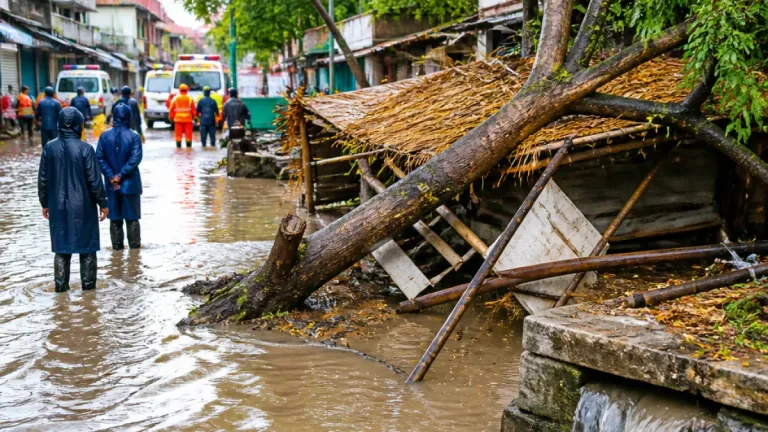
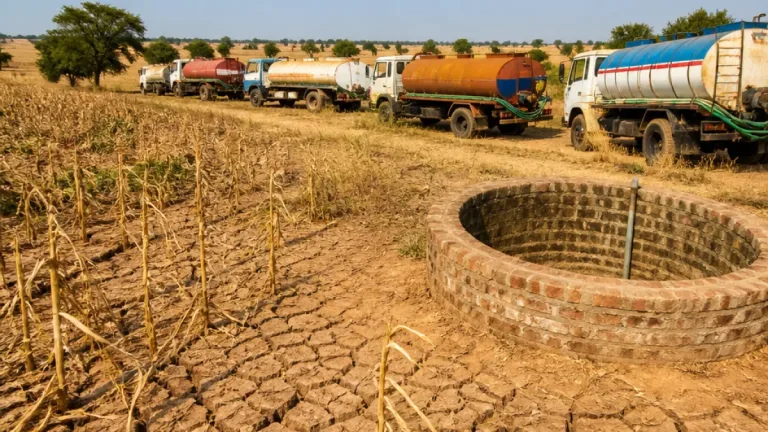
The combination of higher temperatures and deficient rains has raised concerns over water supply, crop growth and heat stress risks across several states. The IMD’s assessment showed that a number of regions — including parts of Punjab, Rajasthan, Karnataka, Kerala, Andhra Pradesh, Tamil Nadu, Bihar and sections of the Northeast — were facing notable rainfall shortfalls through August.
Reduced monsoon rains can affect reservoir levels, irrigation plans and sowing schedules for kharif crops. Heatwave conditions driven by elevated temperatures can increase demands on power and health services, and heighten risks for outdoor workers and vulnerable groups.
Practical advisories
The IMD’s findings underline the need for preparedness at state and district levels. Practical steps to mitigate impacts include:
- Water management: Prioritise drinking water supplies, monitor reservoir storages and enforce water-saving measures in urban and rural areas.
- Agriculture support: Advise farmers on irrigation scheduling, drought-resistant cropping, and access to contingency inputs and credit lines.
- Health precautions: Issue heat advisories for vulnerable populations, ensure availability of cooling centres and promote hydration and reduced outdoor labour during peak heat.
- Power and infrastructure: Prepare for higher electricity demand and monitor distribution systems to prevent outages during heat peaks.
The IMD will continue to update forecasts and issue heat and rainfall advisories as the situation evolves. State authorities are advised to calibrate local responses based on the IMD’s regular bulletins and district-level assessments.
For the public, the weather department’s current guidance is a watch for below-normal rainfall in September and a continued risk of above-normal temperatures — a combination that calls for water conservation and heat-risk mitigation at household and community levels.