New Delhi, Aug 11: The India Meteorological Department (IMD) on Tuesday said a low‑pressure area over north‑west Madhya Pradesh and a developing system over the north‑west Bay of Bengal will sustain widespread monsoon rainfall across large parts of the country through 17 August, with isolated very heavy falls in some regions and a low risk of flash floods in parts of the Western Himalaya.
Systems set to drive active monsoon
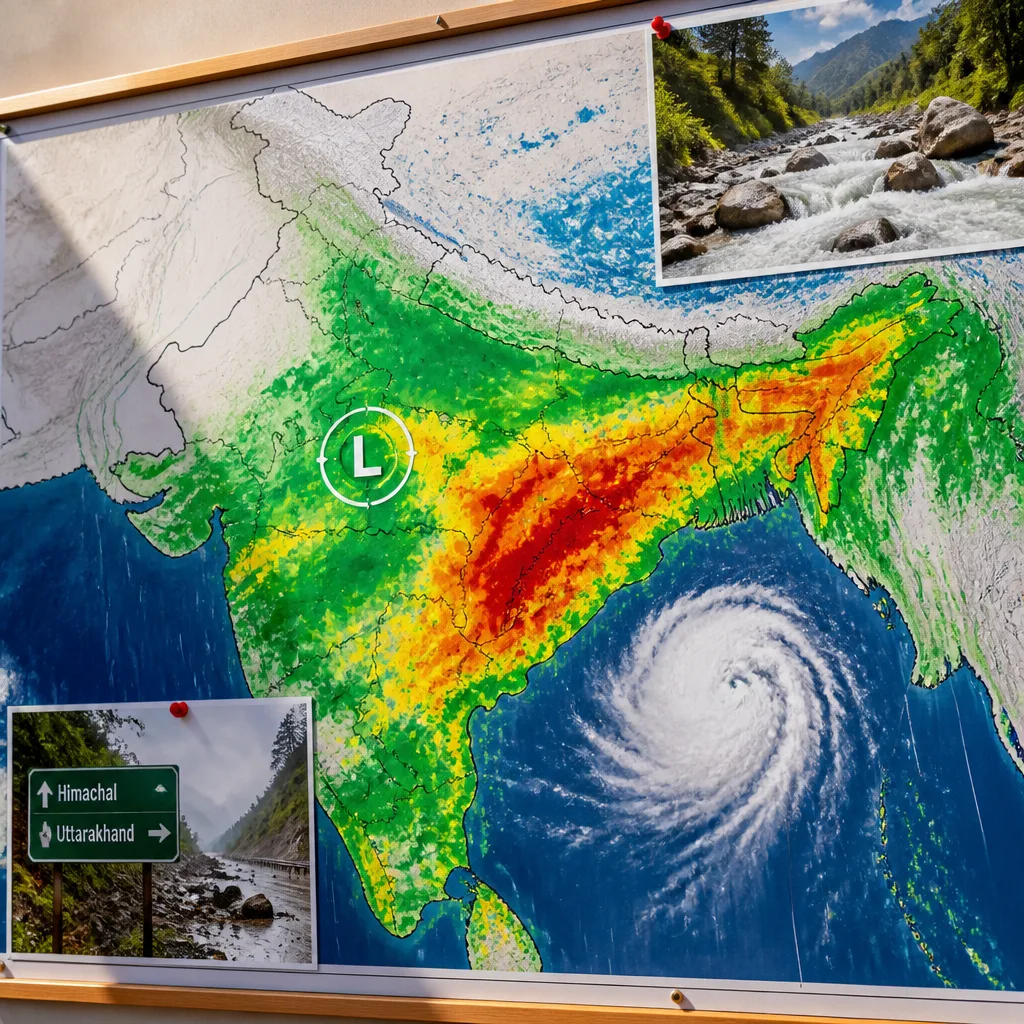
The IMD said the low‑pressure area centred over north‑west Madhya Pradesh is likely to result in isolated very heavy rainfall over east Rajasthan on 12 August. A separate system expected to form over the north‑west Bay of Bengal around the same time is predicted to produce isolated heavy to very heavy rainfall over Odisha on 12–13 August.
Rainfall activity is expected to remain widespread across central, eastern and north‑eastern India during the week, and parts of the Western Himalayan region are forecast to receive heavy to very heavy rain on several days, the IMD said.
Where heavy rain and flood risk are likely
- East Rajasthan: isolated very heavy rain on 12 August;
- Odisha: isolated heavy to very heavy rain on 12–13 August;
- Western Himalaya (Himachal Pradesh, Jammu & Kashmir, Ladakh, Uttarakhand): fairly widespread to widespread rain during 12–17 August;
- Haryana, Chandigarh, Delhi: rain likely on 12 and again on 14–15 August;
- West Madhya Pradesh: fairly widespread to widespread rainfall during 12–15 August;
- Chhattisgarh & East Madhya Pradesh: widespread rainfall likely through 17 August;
- Vidarbha: widespread rain on 12–13 August and again on 17 August.
Flash‑flood alert in Himalayan districts
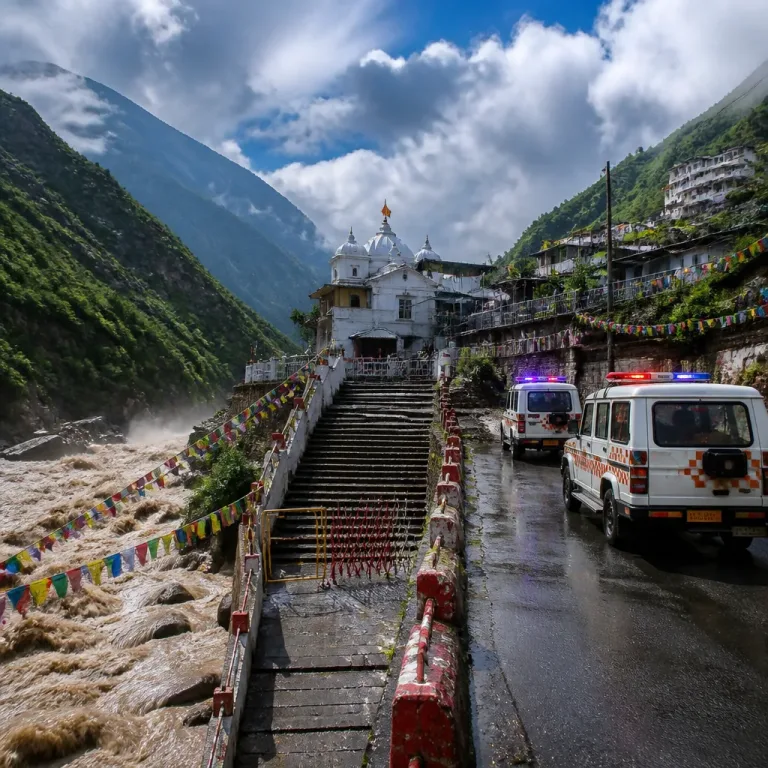
The IMD has flagged a low flash‑flood risk over the next 24 hours in parts of Himachal Pradesh and Uttarakhand, noting saturated soils raise the chance of surface runoff and inundation in low‑lying areas. Districts specifically identified as at risk include:
- Himachal Pradesh: Chamba, Kangra, Mandi, Kullu, Shimla and Kinnaur;
- Uttarakhand: Uttarkashi, Chamoli, Rudraprayag and Pithoragarh.
The IMD warned that surface runoff or inundation may occur at locations with fully saturated soil and in low‑lying pockets within the named districts.
| Region | Probable Period | Expected Intensity |
|---|---|---|
| East Rajasthan | 12 Aug | Isolated very heavy |
| Odisha | 12–13 Aug | Isolated heavy to very heavy |
| Western Himalaya | 12–17 Aug | Heavy to very heavy (frequent) |
Monsoon deficit and wider implications
Increasing rainfall activity is likely to reduce the national monsoon shortfall. As on 10 August, India’s cumulative monsoon rainfall deficit stood at 12%. The country had received 472.6 mm of rainfall from 1 June to 10 August against the long‑period average of 535.6 mm, according to the IMD.
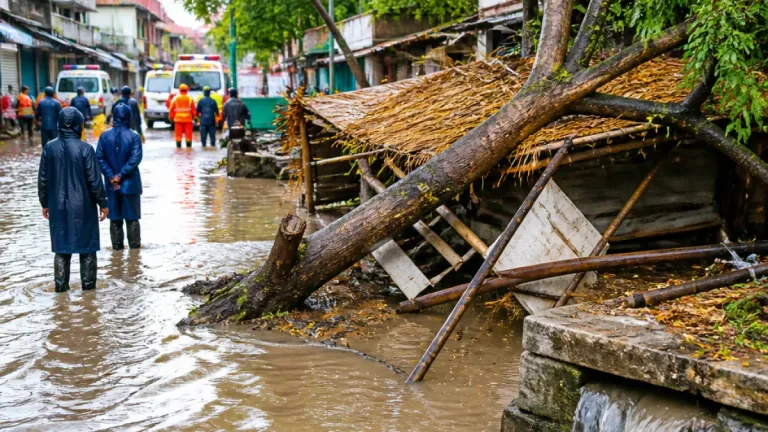
State administrations in potentially affected areas should remain vigilant, the IMD said, as heavy showers and saturated catchments can quickly lead to localised flooding, landslides in hilly terrain and disruption to road and rail links.
Precautions for residents and authorities
- Residents in low‑lying and flood‑prone localities should be prepared for waterlogging and possible inundation; keep essential items and medicines at hand and move to higher ground if advised by local authorities.
- Motorists should avoid water‑logged stretches, exercise caution on slippery roads and follow traffic advisories; do not attempt to cross flooded roads.
- Authorities in Himalayan districts should monitor hill slopes for landslides and ensure evacuation plans and rescue teams are ready.
- Farmers should take steps to protect standing crops and livestock and follow local agriculture department guidance.
The IMD will continue to monitor the evolving systems and update warnings as required. Citizens are advised to follow advisories issued by the IMD and local disaster management authorities.