The India Meteorological Department (IMD) has projected a predominantly dry spell for September, with below-normal rainfall and above-normal maximum temperatures across large parts of the country, a scenario that could increase stress on standing crops and deplete groundwater reserves, an IMD scientist said on Thursday.
Forecast summary and timing
According to the IMD projection cited by an IMD Senior Scientist at Amaravati, the first week of September is expected to be dry, while the second week may see a brief improvement in rainfall. Beyond that, the remainder of the month is likely to remain largely dry, with higher-than-normal daytime temperatures. The combined effect of reduced rain and elevated heat is likely to accelerate soil moisture loss.
“First week of September is dry, second week of September could be little better with rains and rest of the weeks in the month no hopes on the rainfall. Farmers suffer,” said Karuna Sagar, IMD Senior Scientist at Amaravati.
Implications for agriculture and water resources
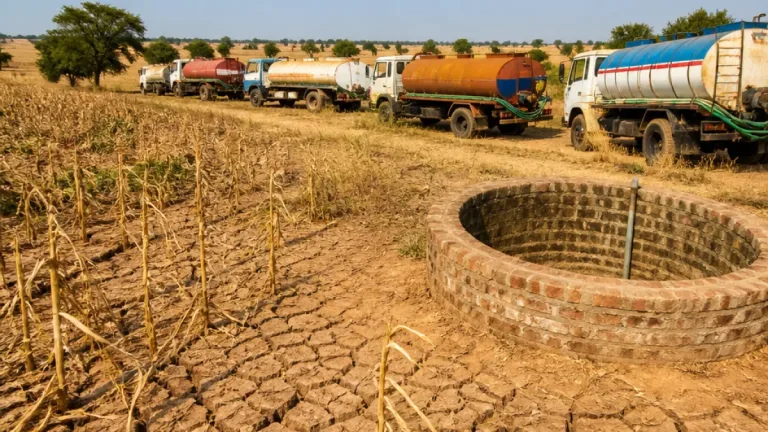
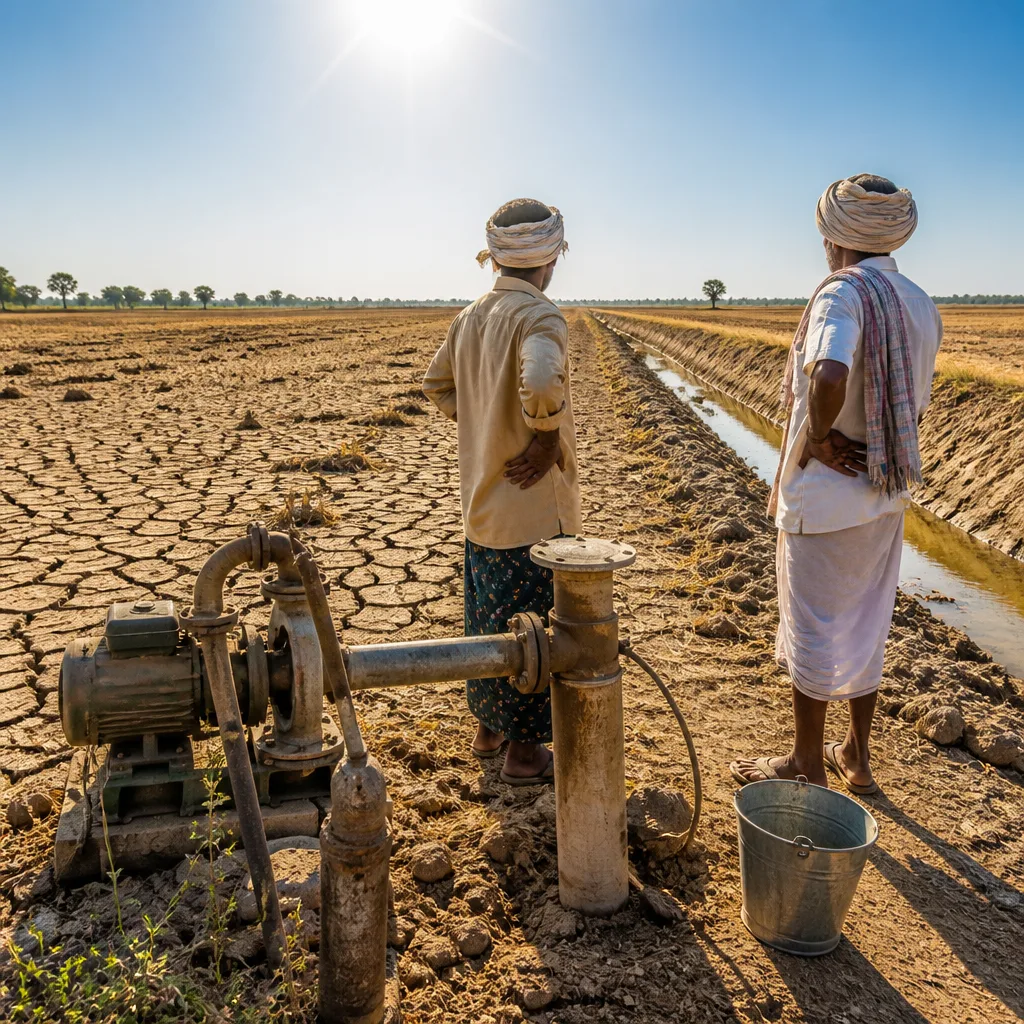
The forecast raises immediate concerns for rain‑fed agriculture and regions dependent on shallow groundwater and small reservoirs. Meteorological models indicate only a short window of relief in the second week; otherwise, a prolonged dry deficit paired with unseasonal daytime heat will hasten soil moisture depletion and increase irrigation demand.
Agricultural extension units have reportedly advised farmers to adopt water‑saving practices. The combination of drying soils and rising temperatures during crucial crop stages can reduce yields if irrigation is not available or if water storage is already low.
Recommended precautions
Given the IMD outlook, authorities and farming communities are advised to take the following practical steps:
- Prioritise water‑conservation measures such as drip irrigation, mulching and scheduling irrigation to match crop critical stages.
- Review and manage reservoir and canal releases to maintain supply for the most vulnerable districts.
- Delay non-essential sowing of water‑intensive crops until rainfall patterns stabilise, where locally appropriate.
- Strengthen farm advisories and extension support to promote soil moisture management and crop monitoring.
Context and wider picture
The warning comes at a sensitive time in the agricultural calendar, when many crops depend on monsoon-supplied soil moisture. Prolonged dry spells can not only reduce yields of current crops but also hinder groundwater recharge ahead of the rabi sowing season.
While the IMD forecast allows for a short-lived improvement in the second week of September, meteorological guidance stresses that a single week of enhanced rainfall is unlikely to offset a wider monthly deficit. The combination of below‑normal rainfall and higher daytime temperatures — described by the IMD as a dual stress — is what agronomists say is most damaging.
Data snapshot
| Period | IMD projection |
|---|---|
| First week of September | Dry |
| Second week | Possibility of increased rains (brief window) |
| Rest of September | Predominantly dry with above-normal maximum temperatures |
The IMD emphasises that forecasts indicate probabilities rather than certainties; regional variations will occur, and local monitoring remains essential. State governments, water managers and agricultural departments should continue coordinating with meteorological services for district‑level advisories and contingency planning.
Farmers are encouraged to maintain contact with local agricultural extension officers for crop-specific guidance and to monitor IMD updates for any changes in the short-term outlook.