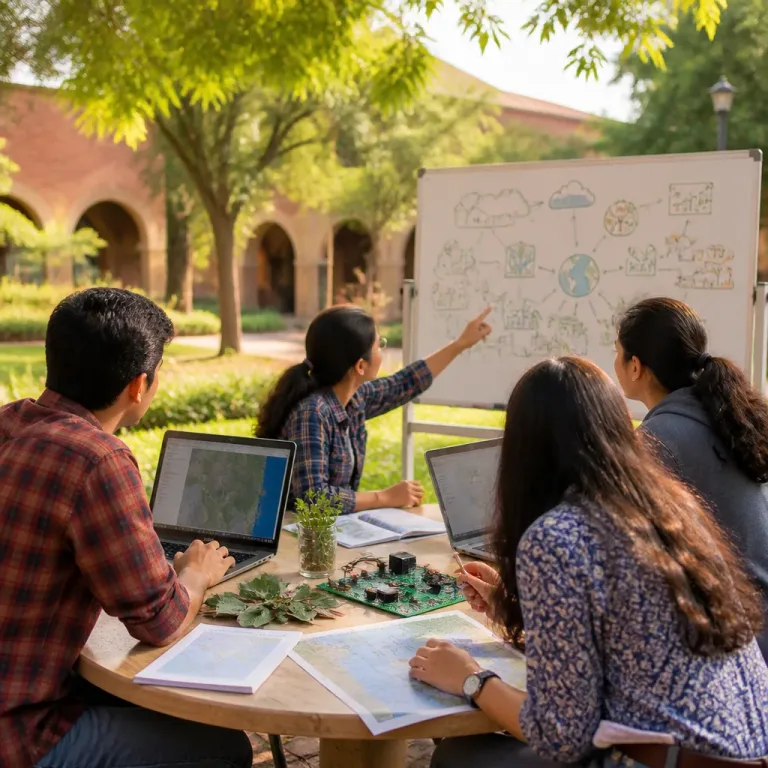
The Haryana education department has announced a 10-day bagless learning programme for 250 PM SHRI government schools to be held during the 2026-27 academic session, aimed at providing students practical exposure to vocational skills, traditional occupations and emerging professions beyond routine classroom instruction.
Practical, experiential focus tied to NEP goals
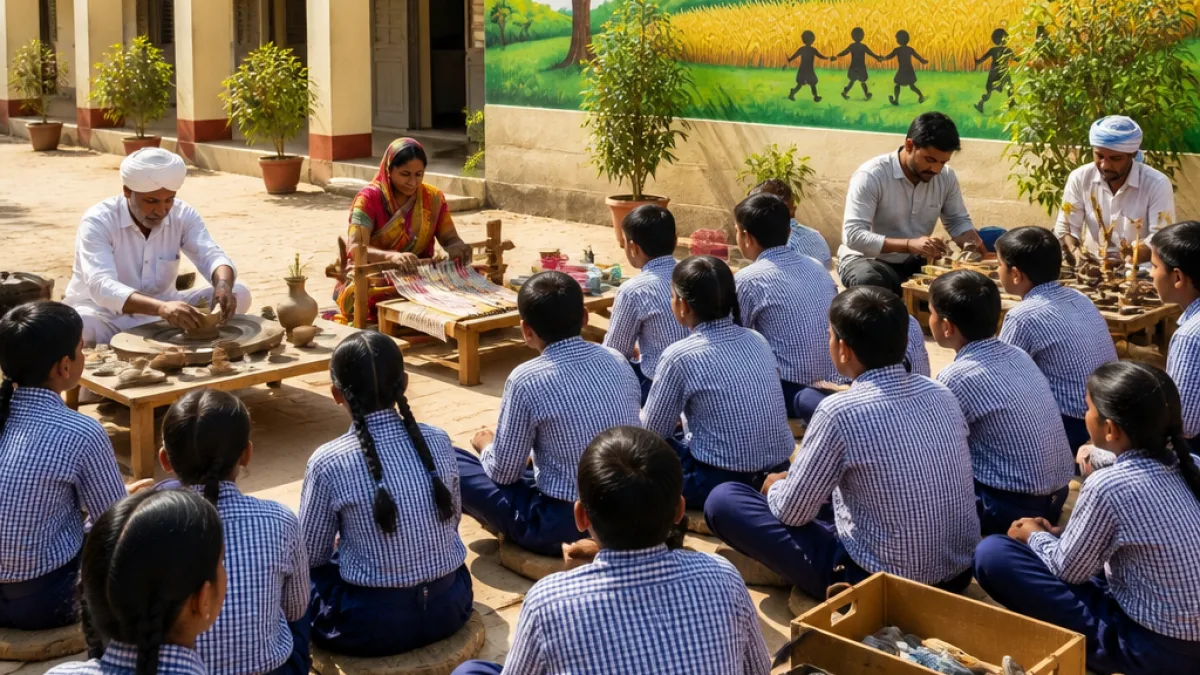
Officials say the initiative has been designed in line with the National Education Policy which emphasises experiential learning, vocational education and the development of practical competencies among schoolchildren. The programme will enable pupils to learn directly from local artisans, farmers, industry professionals and other practitioners, offering hands-on experience of skills that textbooks may not fully capture.
Scope and current rollout
The department has identified 551 skill sectors across the 250 PM SHRI schools for training and exposure. Of these, training in 14 sectors is already being offered and 183 schools are currently providing such practical instruction. The remaining schools will be gradually included under the scheme, officials said.
| Item | Figure |
|---|---|
| PM SHRI schools covered | 250 |
| Skill sectors identified | 551 |
| Sectors currently covered | 14 |
| Schools already offering training | 183 |
Student assessment and project work
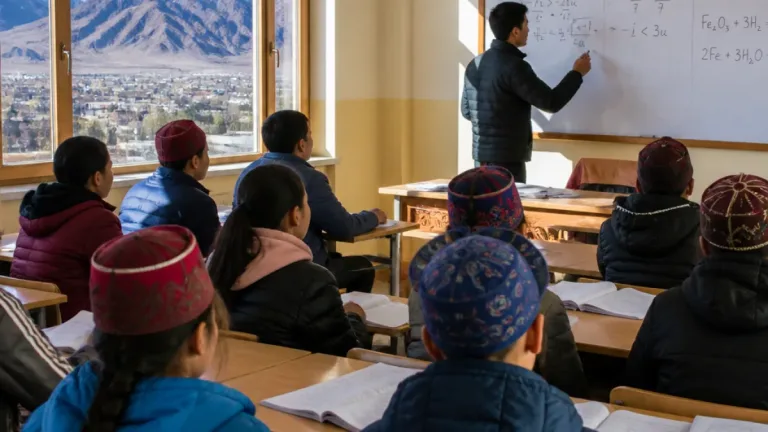
As part of the bagless learning days, Class VI students will be required to prepare three projects during the academic year. These projects are expected to be linked to the skills and activities students engage with on the bagless days, allowing assessment of applied understanding and effort rather than only written examinations.
What bagless learning will involve
The scheme's bagless days will replace regular classroom routines for short periods so that pupils can:
- Observe local occupations and crafts directly;
- Receive hands-on demonstrations from artisans, farmers and professionals;
- Explore vocational and emerging skill areas that offer career pathways;
- Undertake practical tasks and projects linked to local contexts.
Education officials believe the exposure will help students identify interests and potential career directions at an earlier stage, while deepening their understanding of how theoretical knowledge is applied in real-world settings.
Phased expansion and implementation considerations
Authorities have indicated a phased rollout so that schools yet to begin the programme can be brought under it in an orderly manner. Implementation will require coordination with local practitioners and industry representatives, scheduling of visits and activities, as well as teacher training to supervise experiential modules and evaluate student projects.
Officials have not provided a detailed calendar or funding breakdown in the announcement. Schools designated as PM SHRI — the centrally sponsored scheme aimed at improving learning outcomes and infrastructure in select government schools — will be the primary units for executing the programme.
Practical implications for parents and students
Parents and guardians should expect periodic announcements from their children's schools about scheduled bagless learning days and project topics for Class VI pupils. Students taking part may be required to prepare materials or participate in community visits under supervision. The education department has framed the effort as complementary to regular academic work rather than as a replacement for core curriculum requirements.
The department plans to monitor outcomes as the initiative expands so that successful elements can be integrated more widely within state schools. No further details on assessment rubrics or certification for vocational exposure have been released at this stage.