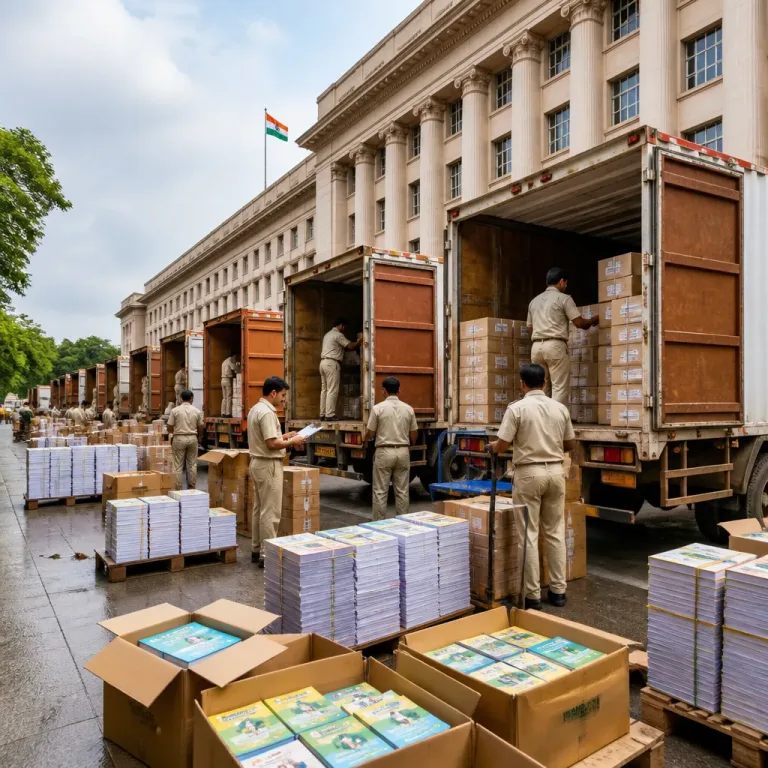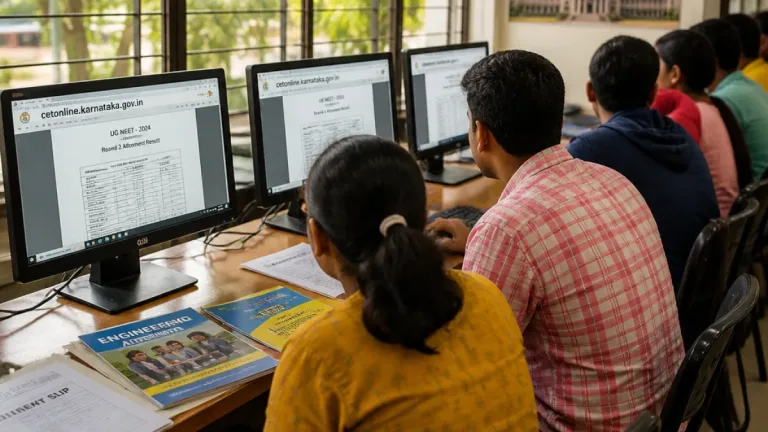
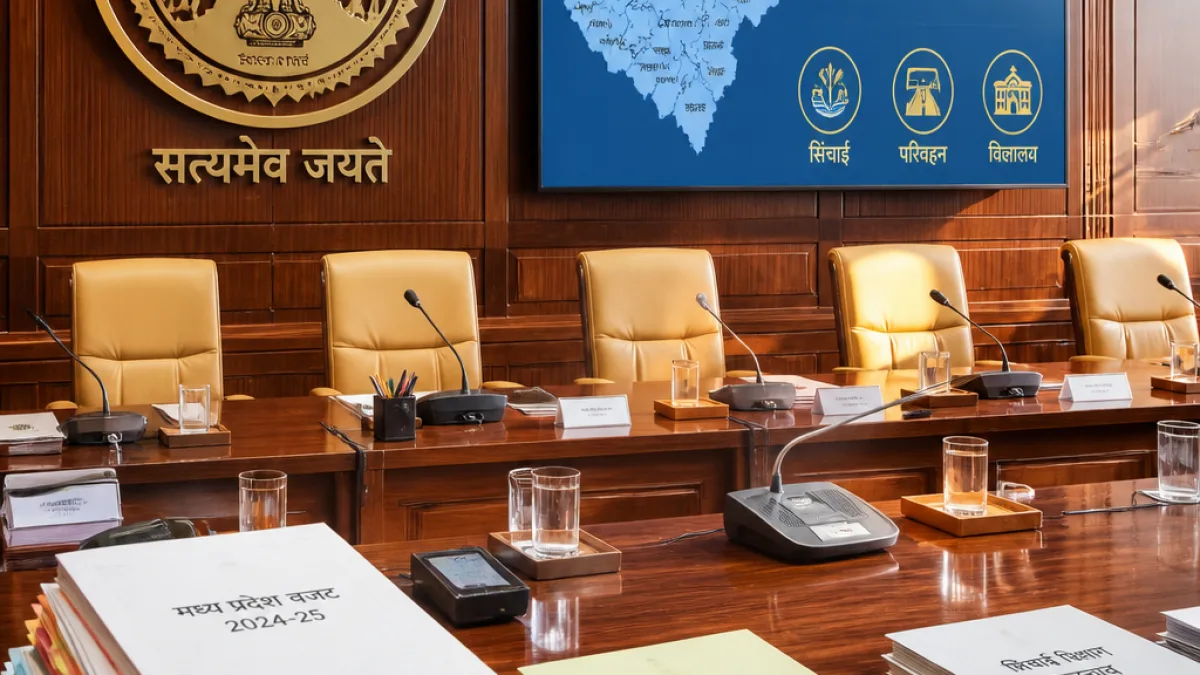
Bhopal: The Madhya Pradesh Cabinet, chaired by Chief Minister Mohan Yadav, on Wednesday approved an outlay of ₹36,006.22 crore for the continuation of the centrally sponsored Samagra Shiksha programme for five years from 2026-27 to 2030-31. The education allocation formed the largest component of a package of approvals worth more than ₹42,490 crore across sectors, the government said.
Scope and objectives of the Samagra Shiksha allocation
The sanctioned funds will support schooling from pre-primary to Class 12 and are aimed at improving learning outcomes, strengthening equity and inclusion, addressing social and gender disparities, and promoting vocational education. The allotment will also provide for implementation of the Right to Education Act and support teacher-training institutions including the State Council of Educational Research and Training (SCERT) and District Institutes of Education and Training (DIETs).
Officials said the continued funding is intended to consolidate gains in basic education and expand interventions targeted at learning recovery, though detailed state-level guidelines and district plans will determine precise disbursement and utilisation.
Irrigation, transport and horticulture among other approvals
Alongside the education package, the Cabinet approved more than ₹2,600 crore for three irrigation projects that the government says will create irrigation potential over a combined area of more than 1.27 lakh hectares. Allocations for transport and horticulture were also cleared.
| Project | District | Approved Amount |
|---|---|---|
| Chitawad Major Irrigation Project | Ujjain | ₹1,846 crore |
| Gaund Major Irrigation Project | Singrauli | ₹749 crore |
| Chanderi Micro Irrigation Project | Ashoknagar | ₹11 crore |
The transport department received a sanction of ₹1,166 crore to continue 11 existing schemes, while the horticulture department was allocated ₹491 crore across eight programmes, described by the government as measures to raise farmers’ incomes.
Administrative and welfare decisions
The Cabinet approved the creation of 21 new posts for mineral branch offices in the recently formed districts of Maihar, Mauganj and Pandhurna, and sanctioned 36 regular posts for four upgraded schools in Anuppur and Shahdol districts. These personnel moves are intended to strengthen local administration and education delivery in newly constituted and upgraded jurisdictions.
- New administrative posts: 21 posts for mineral branch offices in Maihar, Mauganj and Pandhurna.
- Education staffing: 36 regular posts approved for upgraded schools in Anuppur and Shahdol.
- Welfare top-up: An additional ₹250 special assistance for beneficiaries of the Ladli Behna scheme on the occasion of Raksha Bandhan.
Government communications described the Ladli Behna top-up as part of periodic welfare tweaks aimed at sustaining targeted transfers to women under state social support measures.
What this means for districts, schools and farmers
Education officials will now prepare district-level plans to draw down the Samagra Shiksha funds; detailed guidelines and project approvals for teacher training, infrastructure, remedial education and vocational courses are expected to follow. For irrigated agriculture, the three projects — particularly the Chitawad and Gaund schemes — are projected to expand irrigation coverage in their command areas, potentially impacting cropping patterns and farm incomes, subject to timely implementation and water availability.
Horticulture funding directed at eight schemes is intended to support interventions such as improved planting material, post-harvest infrastructure and market linkages; officials said these measures are part of a broader strategy to diversify farmer incomes beyond cereals.
The Cabinet’s package underscores the state government’s emphasis on combining human development spending with investments in rural infrastructure. Implementation timelines, tendering for works, and releases from the consolidated fund will determine the pace at which the announced benefits reach schools, farmers and districts.
Further administrative orders and detailed sanction notes are likely to be issued by respective departments in the coming weeks, providing the operational roadmaps for the approved schemes.