International learners favour on-campus immersion at Lucknow University
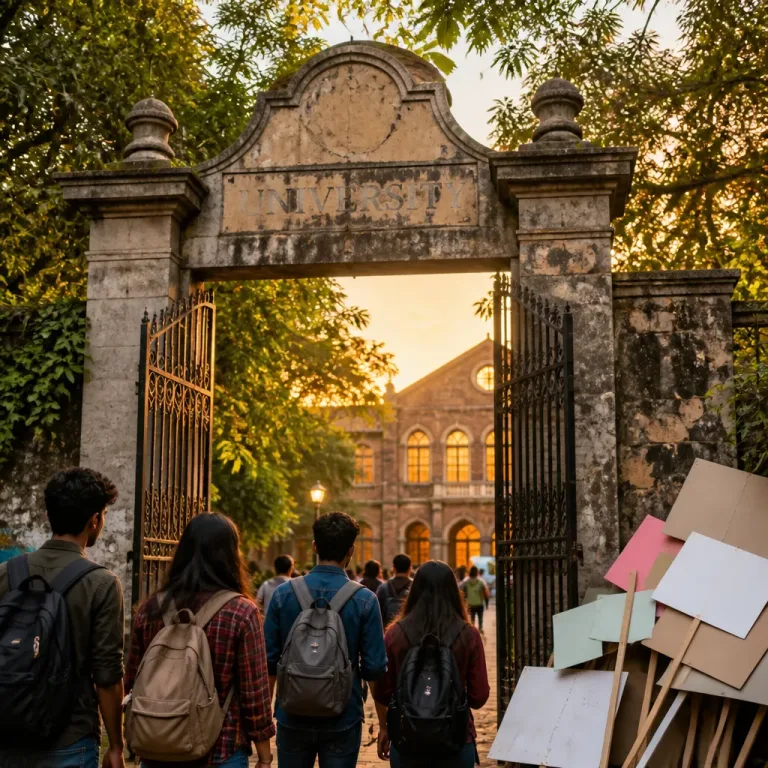
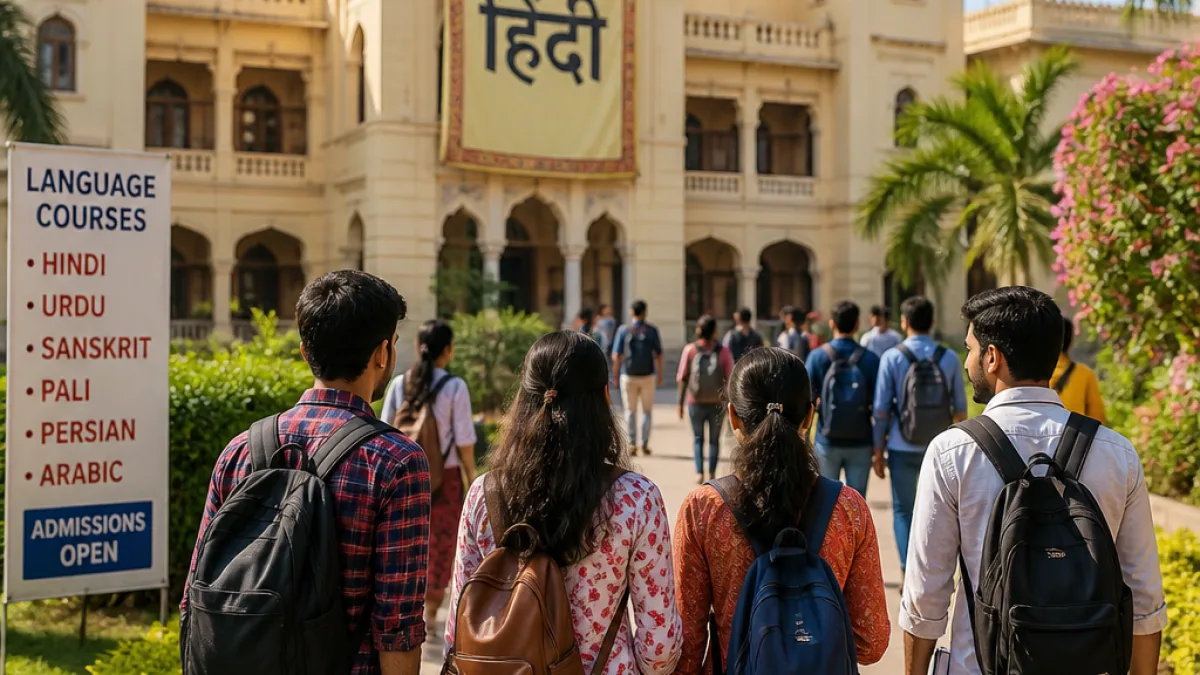
Lucknow has emerged as a destination for overseas students seeking practical command of Hindi and broader exposure to Indian linguistic traditions, according to reporting by Hindustan Times. The trend, visible on the Lucknow University (LU) campus, reflects a shift from remote or purely textual study of Indian languages to sustained, on-the-ground immersion in the Hindi-speaking belt.
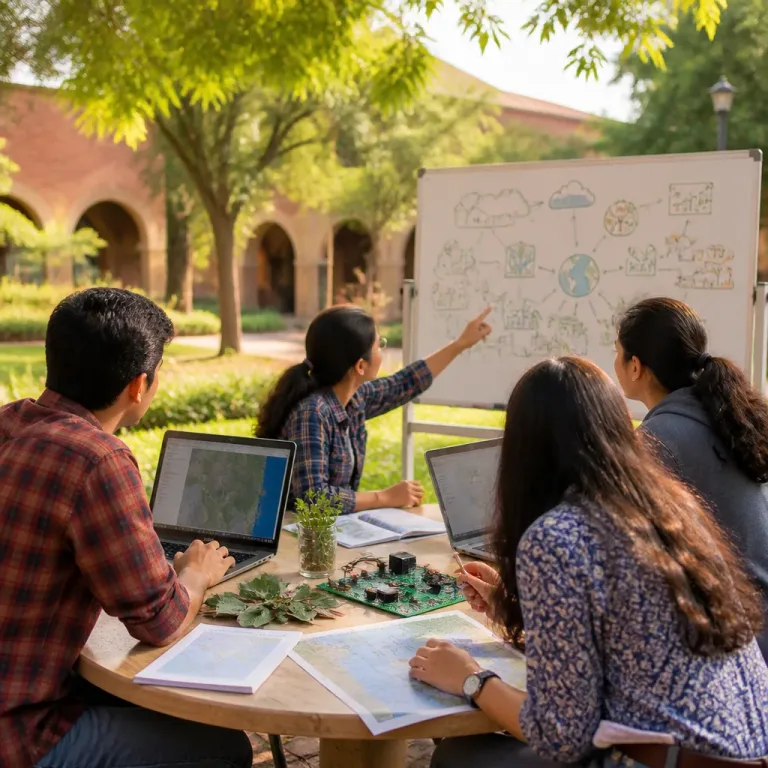
Students from Europe and elsewhere told Hindustan Times that digital resources and web-streaming platforms initially sparked their interest in Indian languages and culture, but that a structured curriculum and daily use of Hindi on campus prompted them to pursue formal study at LU. The newspaper quoted Odemar Bühn, 21, from Germany, who has enrolled in his first semester of a BA combining linguistics, Sanskrit and philosophy at the university.
“Mastering the language is not merely an academic exercise, but a mandatory key to unlocking the philosophical depth of the region,” the student is reported as saying.
Another student cited by the report, Iwo Zawadzki, a 25-year-old Indology student from Poland, described a learning path that began with Dravidian languages and travel across southern India before he chose Lucknow for its comprehensive Hindi programme. The reporting noted that such students aim to bridge textbook grammar and living tradition by studying in a Hindi-speaking environment.
- Digital exposure — online media and streaming — often provides the initial motivation to study Indian languages.
- Lucknow University’s structured Hindi curriculum attracts students who want systematic instruction combined with everyday practice.
- Students reported that on-site immersion helps them access philosophical, cultural and literary contexts not easily grasped through remote study.
The presence of international students at LU carries implications for the university and the city. For the academic institution, it offers opportunities to develop or expand language courses, cultural exchange programmes and services for overseas learners. For Lucknow, an inflow of foreign students broadens the city’s cultural composition and may spur demand for services such as language-support centres, international student housing and cross-cultural events.
| Student | Country | Course/Interest |
|---|---|---|
| Odemar Bühn | Germany | BA in Linguistics, Sanskrit and Philosophy |
| Iwo Zawadzki | Poland | Indology; prior study of Tamil, interest in Indian linguistics |
Lucknow University did not provide fresh comments to the Hindustan Times piece published around Hindi Diwas, but the paper’s interviews underscore a pattern: students are using digital means to discover Indian languages and then choosing campus-based study to deepen linguistic competence and cultural understanding. The reportage shows that some students see fluency in Hindi as essential not only for communication but for accessing philosophical and cultural texts in context.
Academics and university administrators in Lucknow have for years discussed internationalisation as part of higher-education strategy. The current arrivals described in the report indicate practical demand for courses that combine rigorous language instruction with immersive experience. If the trend continues, LU may consider expanding orientation services, language labs and partnerships with foreign universities to support incoming learners.
For Lucknow residents, the development has modest immediate effects — increased cultural exchange in neighbourhoods around campus, more international students in hostels and eateries, and potential for new events celebrating language and literature. Over time, a sustained international student presence could bolster the city’s reputation as a centre for Hindi study and Indological research.
The Hindustan Times report coincided with Hindi Diwas observances, when attention turns to the status and teaching of Hindi nationally and locally. The accounts of these students underline how global interest in Indian languages is adapting: starting with online discovery and culminating in immersive study in places such as Lucknow, where everyday use of Hindi complements formal instruction.