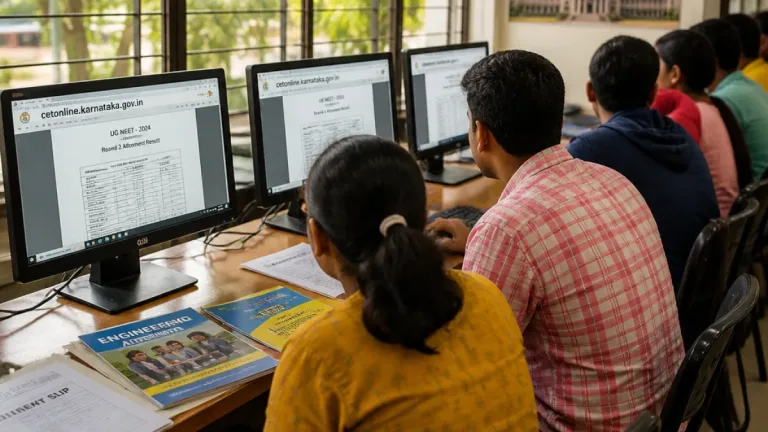
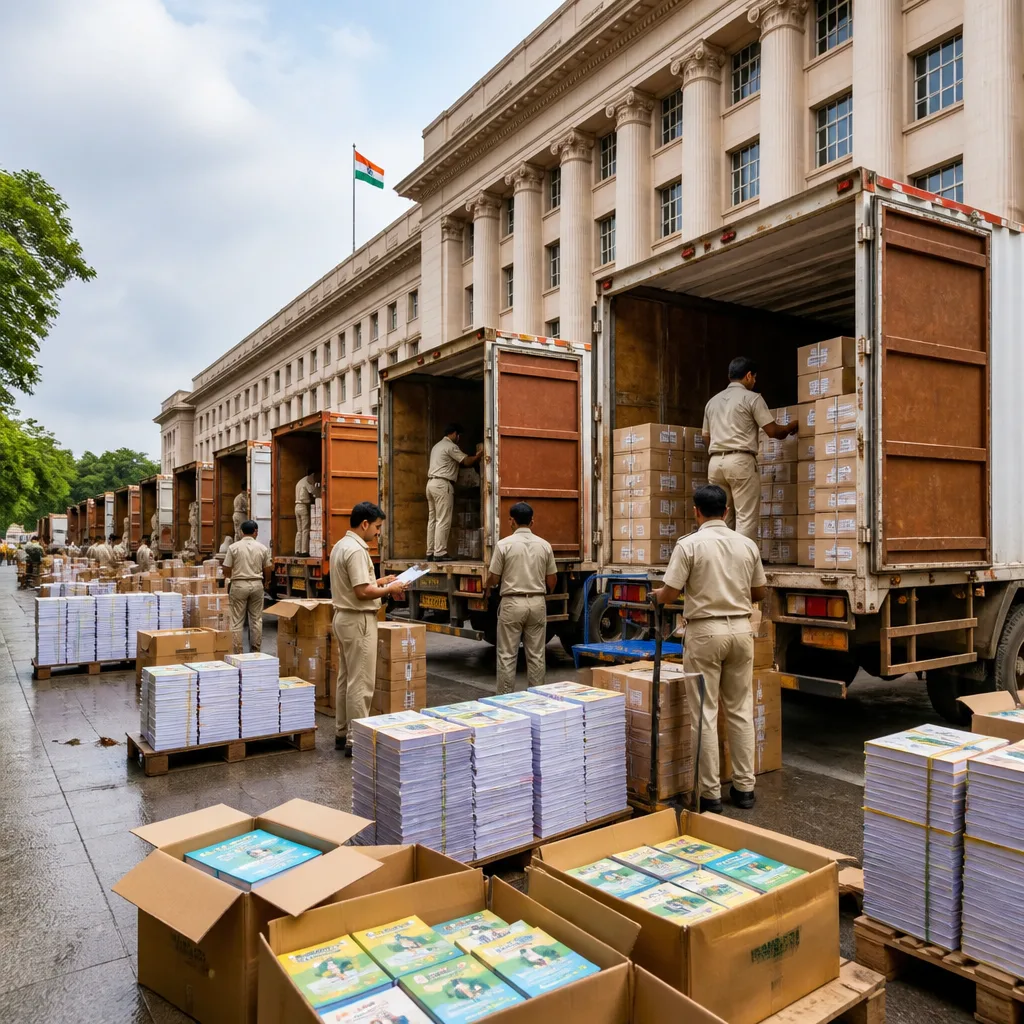
HANOI, Sept 15: Vietnam's Ministry of Education and Training has acknowledged a shortage of nearly 4 million textbooks for the 2026–27 school year and has directed emergency redistribution and extra printing to ensure students receive required books, ministry officials said on Tuesday.
Background and timeline
The shortfall emerged as the country implements, for the first time, a single unified set of textbooks to be used nationwide. The change, which represents a major shift in textbook policy, required coordinated forecasting and logistics across provinces. Preparations for supply began in late 2025 and early 2026, with an original target to complete distribution by 15 August 2026, according to officials who spoke at a regular press briefing convened by the Central Commission for Information and Education on the morning of 15 September.
Despite those preparations, reports of localised shortages surfaced in mid-August and persisted after the academic year commenced. The ministry said that fluctuations in demand — driven by new local programmes providing subsidised or free textbooks, and administrative restructuring that changed school networks and student distributions — led to significant deviations from initial estimates in some areas.
Government response
Faced with mounting concerns, Deputy Prime Minister Le Tien Chau chaired a meeting on 9 September to review the situation and call for urgent measures to address supply gaps. The ministry has since ordered emergency redistribution from areas with surplus stocks and placed additional orders to printing and distribution partners to bridge outstanding needs, officials reported.
The consolidated figures provided by the Vietnam Education Publishing House (VEPH) revisited initial demand projections and identified the nearly 4 million unit shortfall. The ministry said it is working with provincial education authorities and publishers to prioritise delivery to schools and students who remain without textbooks.
- Key dates: Preparations began late 2025; target completion date 15 August 2026; Deputy PM meeting 9 September 2026; briefing on 15 September 2026.
- Main causes: Transition to a single national textbook set, revised demand due to subsidies and administrative reorganisation, and rapidly changing local needs.
- Immediate action: Emergency redistribution and additional supplies ordered by the Ministry of Education and Training.
Implications for students and schools
School authorities had reported that some localities lacked sufficient copies when classes began, creating anxieties among families and educators about access to required learning materials. The ministry emphasised the need for accurate, up-to-date demand estimates and for contingency measures to be embedded in future textbook roll-outs.
Introducing a unified textbook set across a diverse and populous school system increases the stakes of forecasting and distribution. Changes such as subsidy programmes and the redrawing of school networks altered the number and whereabouts of pupils in ways that ministry planners say were difficult to predict in advance.
Data snapshot
| Item | Detail |
|---|---|
| Reported shortage | Nearly 4,000,000 textbooks |
| Target completion | 15 August 2026 |
| Deputy PM review | 9 September 2026 |
| Press briefing | 15 September 2026 |
The ministry said it had issued a sequence of directives during August and early September requiring publishers and provincial authorities to ensure sufficient supplies before the start of the academic year, but shortages persisted in several localities after classes began. VEPH provided consolidated figures that led to the revised demand assessment.
Officials at the briefing said corrective steps are underway to get textbooks to students as quickly as possible, with distribution prioritised to the most affected schools. Parents and educators have been urged to follow announcements from provincial education departments for the latest delivery schedules and temporary arrangements.
As Vietnam transitions to the unified textbook policy, ministry officials stressed the importance of improved forecasting, tighter coordination across the supply chain and built-in contingency stocks to prevent recurrence of current shortages.
Further updates are expected as redistribution and additional supply orders are executed; provincial education departments will publish localised information on deliveries and any interim measures for students without textbooks.