Neoway Technology, a global supplier of IoT (Internet of Things) communication modules, has entered a manufacturing partnership with India’s technology-led contract manufacturer Zetwerk to produce and deploy IoT connectivity solutions locally, the companies said.
Local production to speed deployment and support Make in India
The collaboration pairs Neoway’s two decades of experience in wireless communication modules with Zetwerk’s precision electronics manufacturing and supply-chain reach. Both firms said the tie-up would accelerate local manufacturing, reduce lead times and help meet India-specific market needs for IoT devices across industries.
Neoway has shipped more than 240 million wireless communication modules globally over its operating history. Zetwerk, which positions itself as a tech-led manufacturing platform, operates 26 owned manufacturing facilities worldwide and works with 6,979 third-party suppliers, serving clients that include 102 of India’s Fortune 500 companies, the companies said.
| Metric | Figure |
|---|---|
| Neoway modules shipped | 240 million |
| Zetwerk owned facilities | 26 |
| Zetwerk third-party suppliers | 6,979 |
| Fortune 500 clients in India | 102 |
The deal is positioned as a pragmatic step for manufacturers and service providers that need tested, production-ready IoT modules with local support and flexible production volumes. Local manufacturing can reduce shipping times, lower import dependencies and enable faster customisation for Indian regulatory and market requirements.
Industry use cases and manufacturing capabilities
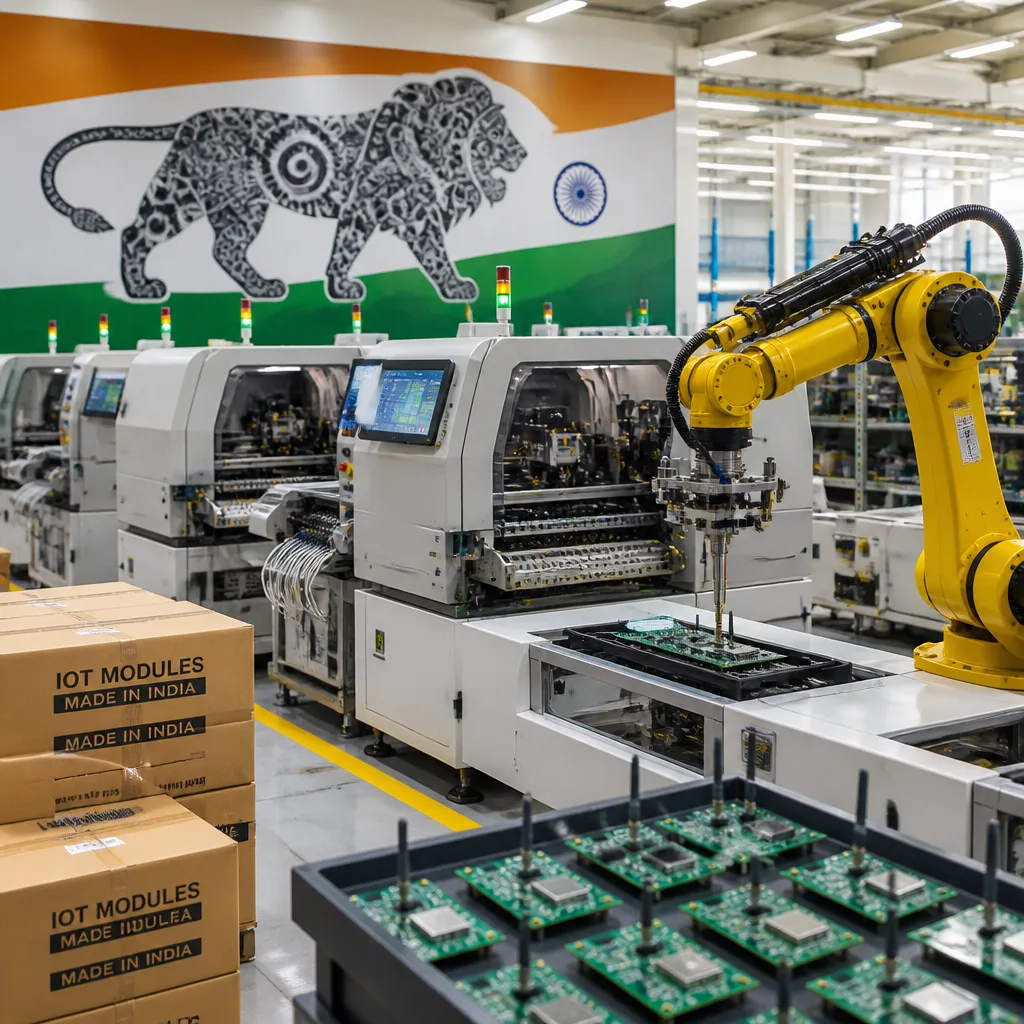
Zetwerk said its electronics division will provide surface-mount technology (SMT) manufacturing, precision process controls, automated testing and advanced quality systems to produce fully tested IoT modules in India. Neoway’s experience in connectivity protocols and module design is expected to be combined with Zetwerk’s production lines to offer modules ready for deployment in sectors such as:
- Energy and utilities
- Automotive and transport
- Industrial and factory automation
- Retail, logistics and smart city projects
- Healthcare and agriculture applications
The partnership targets faster time-to-market for customers that need localised hardware and support, including integrators who prefer shorter development cycles and domestic after-sales servicing.
“India is a crucial market for IoT, and local manufacturing is vital for its next phase of growth. Our partnership with Zetwerk combines Neoway Technology’s global IoT expertise with robust Indian manufacturing capabilities,” said Makarand B. Kale, Vice President & Managing Director, Neoway Technology.
The companies described the move as aligned with the ‘Make in India’ policy emphasis on building domestic production capacity for strategic technologies.
What this means for Indian buyers and the ecosystem
For Indian businesses buying IoT modules, local production can bring tangible benefits:
- Shorter procurement cycles and potentially lower freight and duty-related costs compared with fully imported modules.
- Easier compliance with local testing, certification and customisation requirements.
- Access to local technical support and warranty services, which can reduce downtime for deployed systems.
However, local manufacturing does not automatically translate into lower prices or immediate supply resilience. Indian firms will still need to manage component sourcing, quality controls and inventory planning. Zetwerk’s network of suppliers and automation capabilities aim to mitigate these risks, but customers should expect a transition period as production ramps up and supply chains adapt.
By combining Neoway’s module designs and field experience with Zetwerk’s manufacturing footprint, the partnership seeks to make India a more responsive base for IoT hardware — a development that could help public and private sector projects scale connectivity solutions with shorter lead times and closer after-sales support.
Details on production volumes, locations of the manufacturing lines in India and timelines for shipments were not disclosed in the companies’ statements.