
Major tech project positioned to boost Visakhapatnam’s AI ambitions
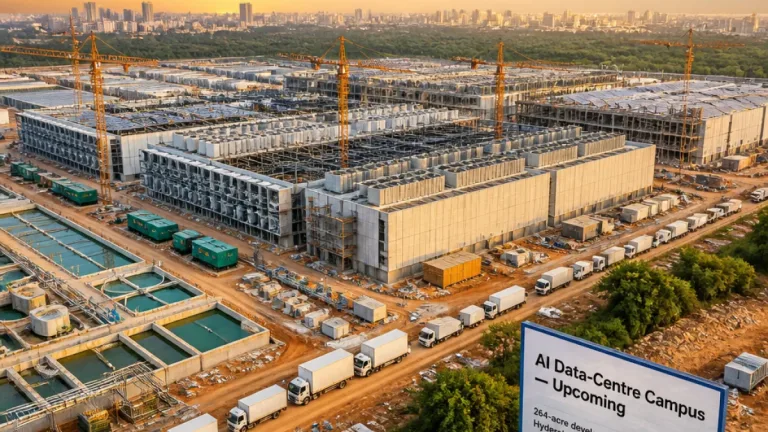
Union Minister for Railways and Information and Broadcasting Ashwini Vaishnaw, accompanied by Andhra Pradesh Chief Minister N. Chandrababu Naidu, on Tuesday laid the foundation stone of the Google Cloud India AI Hub in Visakhapatnam. Officials described the initiative as part of broader efforts to position the city as a national centre for artificial intelligence and advanced computing.
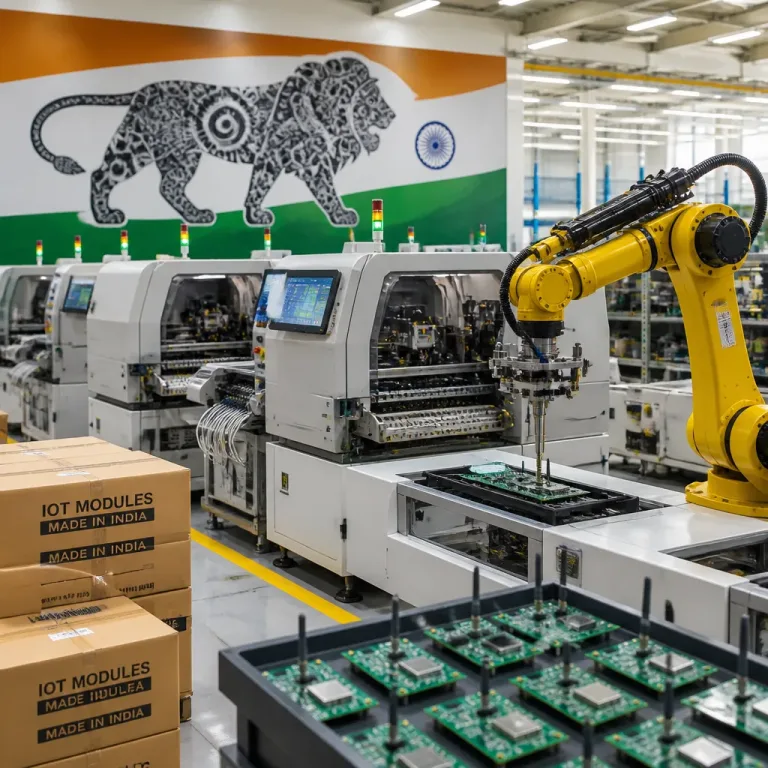
Speaking at the event, the Union Minister outlined India’s shifting role in global electronics and technology value chains and urged technology firms to consider local manufacturing of critical hardware to support data-centre ecosystems.
“India is rapidly emerging as a trusted global electronics manufacturing partner under Prime Minister Narendra Modi’s Make in India vision,”
Mr Vaishnaw noted that the country has moved from missed opportunities in hardware to active production and called on companies, including Google, to explore manufacturing of servers, GPU systems and memory chips in India. He pointed to recent progress under the national Semiconductor Mission, saying commercial output has started at two semiconductor plants.
What the hub aims to do
According to the Union Minister, the AI Hub in Visakhapatnam will support applications across multiple sectors including education, healthcare, aerospace, logistics and agriculture. He also highlighted potential research areas such as power efficiency and water consumption reduction for future technology infrastructure, suggesting joint research initiatives under the India AI Mission.
- The project is presented as strengthening digital connectivity between India and other regions, including Europe, Africa and Australia (as referenced by the minister).
- Officials framed Visakhapatnam as an emerging destination for artificial intelligence, with the minister saying the city would soon be widely known as “AI Patnam”.
- The Union Minister appealed to technology companies to consider domestic manufacturing for critical components to support data-centre growth.
Local and national context
The foundation ceremony underscores both central and state government interest in building advanced-technology infrastructure in Andhra Pradesh. The Union Minister presented the development as part of a national push that includes electronics manufacturing, semiconductor production and advanced chip design. He described smartphones as now being India’s single largest exported product, using that as evidence of the country’s growing role in global electronics supply chains.
State-level leaders shared the stage for the Visakhapatnam project, signalling cooperation between the Centre and Andhra Pradesh on technology investments. The presence of a high-profile Union Minister and the Chief Minister indicates political support, which proponents argue is crucial for attracting large-scale private investments and for creating an ecosystem that combines research, manufacturing and services.
Potential implications for Visakhapatnam residents
Officials said the AI Hub could catalyse several local benefits if the project proceeds as envisaged. These include:
- Improved access to advanced cloud and AI tools for local businesses, educational institutions and start-ups;
- Opportunities for higher-skilled employment in technology, research and data-centre operations;
- Possible downstream demand for services and infrastructure linked to a larger data-centre and AI ecosystem.
However, the announcement did not specify timelines, investment amounts, or detailed operational plans for the Hub. Officials described the ceremony as a foundation-laying event; further project details and formal agreements would be required to confirm construction schedules, local procurement commitments or job estimates.
| Aspect | What was said |
|---|---|
| Lead speakers | Ashwini Vaishnaw (Union Minister), N. Chandrababu Naidu (Chief Minister) |
| Project | Google Cloud India AI Hub |
| Stated sectoral impact | Education, healthcare, aerospace, logistics, agriculture |
Local stakeholders and citizens awaiting concrete details will look for follow-up notifications from state and central agencies or formal announcements from Google Cloud on project scope, investment and timelines. Analysts say the translation of an announced hub into tangible local benefits typically depends on clear commitments around manufacturing linkages, training programmes and procurement from local suppliers.
The event ties into a wider government narrative that combines policy incentives, semiconductor ambitions and calls for technology firms to invest in domestic manufacturing. The minister framed such investments as necessary to build resilient supply chains and to support India’s growing data-centre and AI infrastructure needs.
Further information is expected from official releases and participating organisations as the project advances beyond the foundation stage.