City installs underground 11 kV network and remote switching to reduce weather-related outages
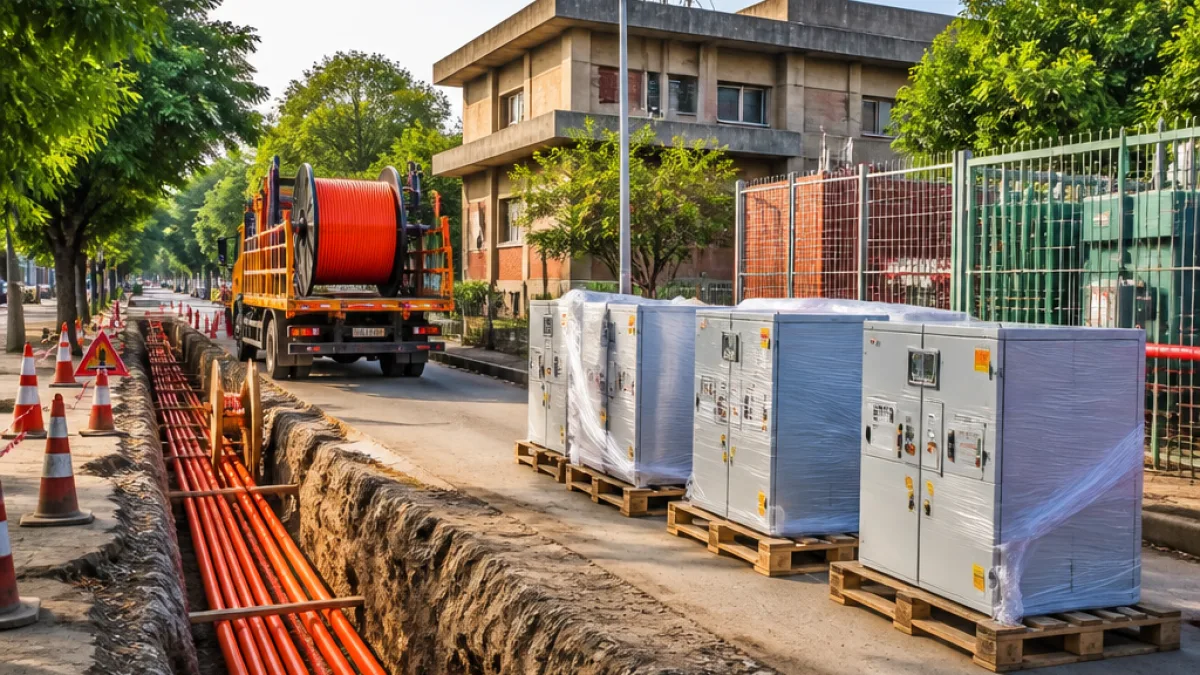
Chandigarh has completed a ₹12-crore upgrade of its electricity distribution network that replaces overhead 11 kV lines with around 18 kilometres of underground cables across Sectors 1 to 8 and integrates remotely controlled equipment intended to improve the reliability and speed of restorations, Digital Watch Observatory reported on 7 September 2026.
- Scope: Replacement of overhead 11 kV lines with underground cables across Sectors 1–8.
- Technology: 14 SCADA-controlled Ring Main Units (RMUs) installed across four distribution feeders, connected to a central command centre.
- Beneficiaries: Approximately 25,000 residents expected to directly benefit from the upgrade.
The new equipment is tied to Chandigarh Power Distribution Limited’s (CPDL) command centre, allowing operators to monitor the network in real time and remotely transfer electricity from one feeder to another when faults occur. Remote switching capability should shorten the time taken to restore supply when individual lines fail, the report said.
"Moving the network underground is intended to reduce outages caused by storms, strong winds, falling trees, and other external factors, while remote switching should allow electricity to be restored more quickly when individual lines fail," Digital Watch Observatory reported.
Officials framed the work as part of a larger, multi-year push to modernise distribution. The ₹12-crore project forms one component of a ₹956-crore five-year investment programme covering network improvements, reliability measures, smart metering, safety and digital initiatives, according to the report.
What the technology delivers and what it means for residents
Putting medium-voltage lines underground reduces exposure to common external causes of faults — such as wind damage and falling trees — that typically affect overhead networks. In addition, SCADA (Supervisory Control and Data Acquisition) control of RMUs enables faster sectionalising and remote reconfiguration of feeders.
For residents and businesses in Sectors 1–8 the likely benefits include shorter outage durations, fewer weather-related interruptions and more precise monitoring of feeder health from the command centre. CPDL already operates a 24-hour SCADA command centre for real-time network monitoring, power scheduling and remote operation of distribution equipment, the report noted.
| Item | Figure / Detail |
|---|---|
| Project cost | ₹12 crore |
| Voltage level replaced | 11 kV |
| Length of underground cable | ~18 km |
| SCADA-controlled RMUs | 14 across four feeders |
| Estimated beneficiaries | ~25,000 residents |
| Programme context | ₹956-crore five-year investment plan |
Limitations and broader significance
The initiative addresses common physical vulnerabilities but does not eliminate all causes of outages: underground cables can still fail due to equipment defects, excavation damage or water ingress. The SCADA link improves response times but requires continued investment in communication reliability, trained operators and maintenance regimes to deliver sustained gains.
Digital Watch Observatory highlighted the project as a model that combines more resilient physical infrastructure with real-time monitoring and remote grid management — an approach cities may increasingly adopt as electricity demand rises and climate-related weather risks intensify.
For Chandigarh consumers, the immediate practical implications are fewer weather-related cuts and potentially quicker restorations. For the city administration and CPDL, the work is a demonstrable step in a broader plan to modernise distribution systems, roll out smart technologies and improve service reliability over the next five years.