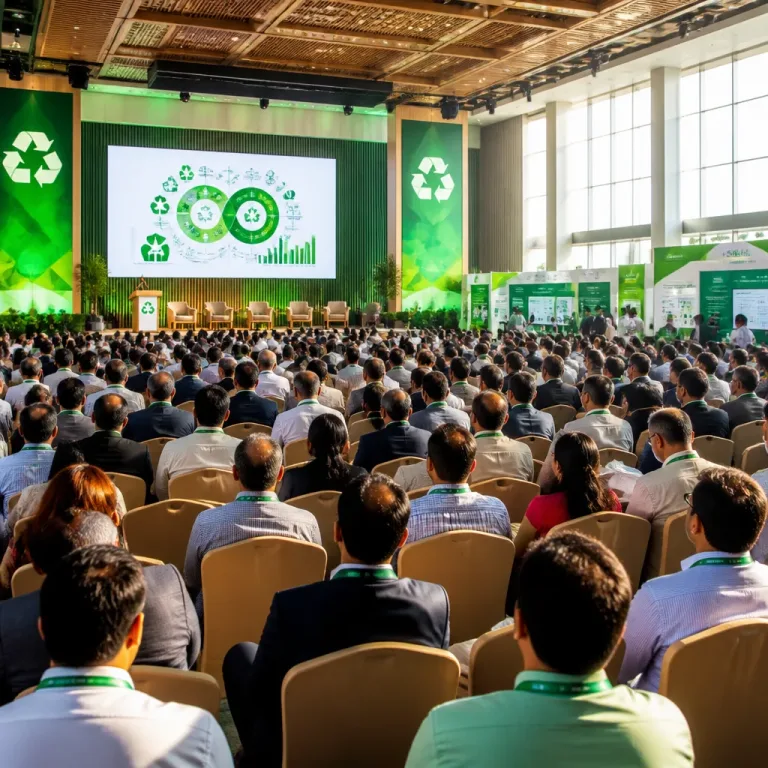
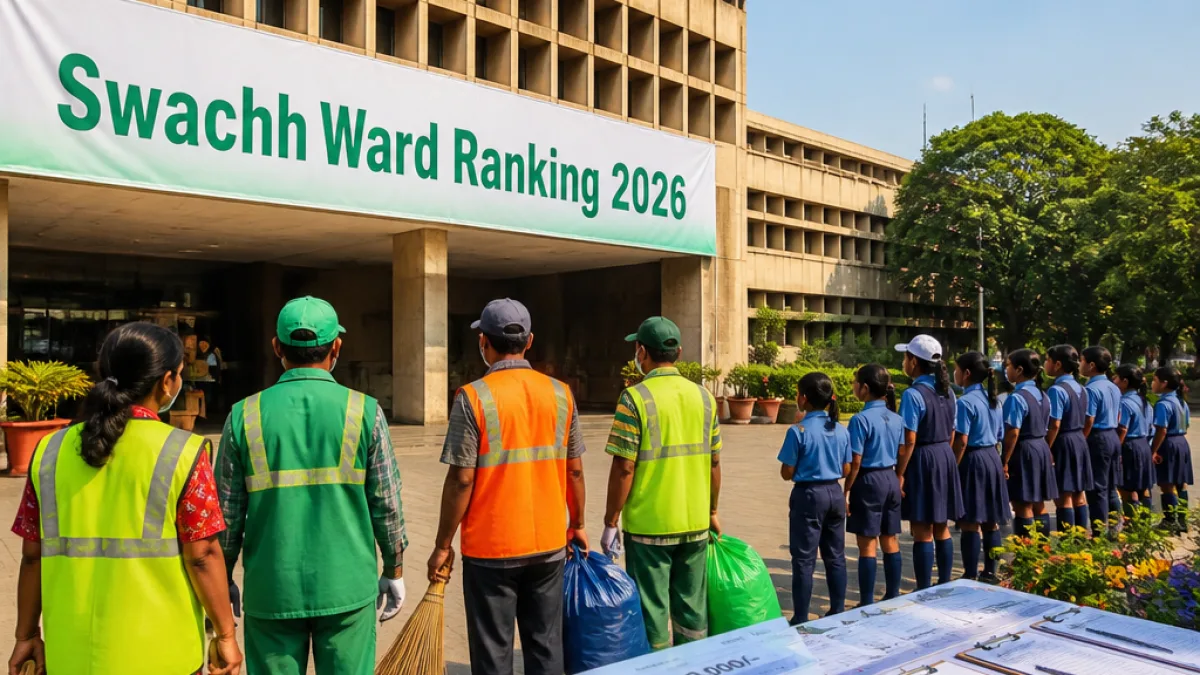
Chandigarh on Friday moved to deepen neighbourhood-level cleanliness efforts with the launch of the Swachh Ward Ranking 2026, an initiative aimed at making waste management and sanitation a sustained public movement across the Union Territory.
Ward-level assessment and incentives
Punjab Governor and UT Administrator Gulab Chand Kataria inaugurated the programme, urging citizens, elected representatives, municipal officials, sanitation staff and resident associations to cooperate so cleanliness becomes a culture rather than a one-off exercise. Kataria said the ranking would examine outcomes rather than rely on photographs or paperwork.
"The ranking should cover the entire waste-management chain — from generation, collection and segregation to transportation, processing, recycling, reuse and final disposal — and should be based on actual outcomes rather than photographs or paperwork alone," Kataria said.
Municipal Commissioner Amit Kumar told the gathering that all wards would be evaluated through a structured framework carrying 1,000 marks across 55 parameters related to sanitation and solid waste management. The exercise, he said, would identify gaps at the ward level and enable the sharing and replication of best practices.
Scope and frequency of ranking
Kataria indicated the assessment would extend down to multiple granular levels — ward, neighbourhood, market, park, street and even household — to ensure comprehensive coverage of the waste-management chain. He also directed the Municipal Corporation to explore conducting these rankings more frequently, suggesting twice a year or monthly assessments if feasible.
- Assessment levels: ward, neighbourhood, market, park, street, household
- Chain covered: generation, collection, segregation, transportation, processing, recycling, reuse, final disposal
- Framework: 1,000 marks across 55 parameters
Incentives and timeline
The Administrator welcomed a proposed incentive mechanism to reward top-performing wards dubbed "Platinum Wards". Under the proposal, the first, second and third-ranked wards would receive proposed development grants of ₹50 lakh, ₹30 lakh and ₹20 lakh respectively. Mayor Saurabh Joshi described the launch as an important step towards converting cleanliness into a people’s movement at the ward level. The month-long competition will conclude on October 2, municipal officials said.
| Rank | Proposed Development Grant |
|---|---|
| 1st | ₹50 lakh |
| 2nd | ₹30 lakh |
| 3rd | ₹20 lakh |
Kataria also appealed to schools and colleges to convert students into "Swachhta Ambassadors" who could spread responsible waste-management practices to their families and neighbourhoods.
Environmental implications and implementation challenges
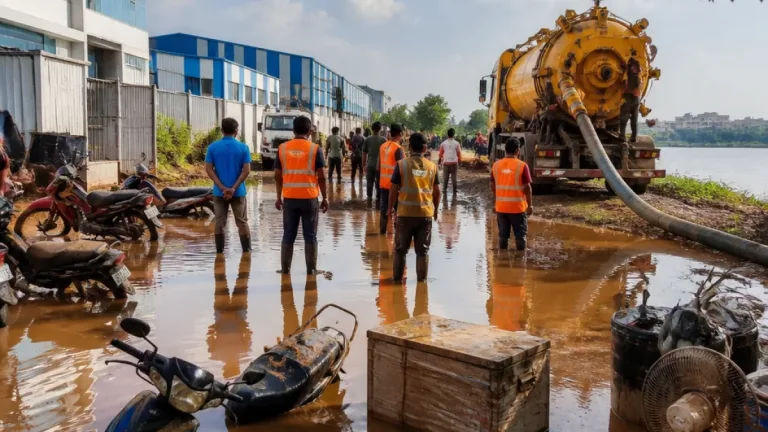
Environmental accountability at the micro level is central to controlling the flow of waste into treatment systems and reducing litter, stray dumping and contamination. Officials say the granular assessment — extending to households and streets — should help surface specific operational gaps such as inadequate segregation at source, irregular collection, shortfalls in transportation logistics, or deficiencies in processing and disposal facilities.
However, success will depend on consistent monitoring, independent verification of outcomes and the Municipal Corporation’s capacity to follow up on identified gaps. Kataria’s emphasis on outcome-based evaluation, rather than paperwork, signals an intent to use on-ground verification. The proposal to increase the frequency of rankings, if implemented, would allow quicker identification of recurring problems and faster replication of effective practices across wards.
Municipal authorities will now need to detail how the 55 parameters are weighted, how inspections will be conducted without bias, and how funds for the incentive grants will be disbursed and audited. Stakeholder participation — from resident welfare associations to sanitation workers — will be key to turning the competition into a long-term sanitary improvement rather than a short-lived drive.