State readies measures as drought hits 100 taluks, power demand surges
Ramanagara, Sep 14: Karnataka Chief Minister D K Shivakumar on Monday flagged a severe drought in the state and warned of a looming shortage of drinking water and electricity, saying the government was considering steps to boost thermal generation and source additional power from other regions.
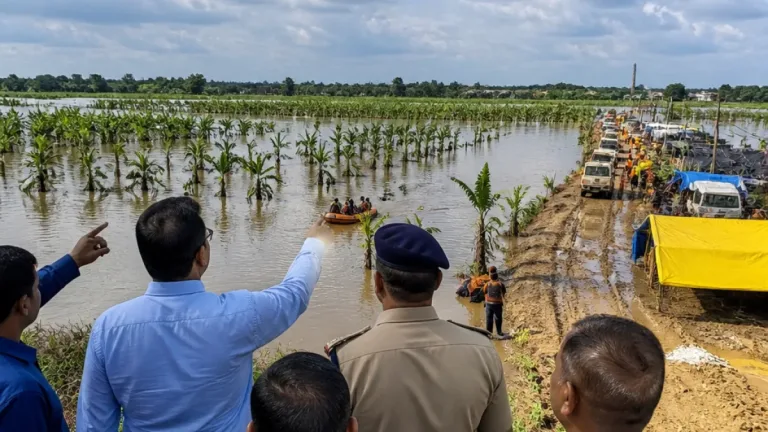
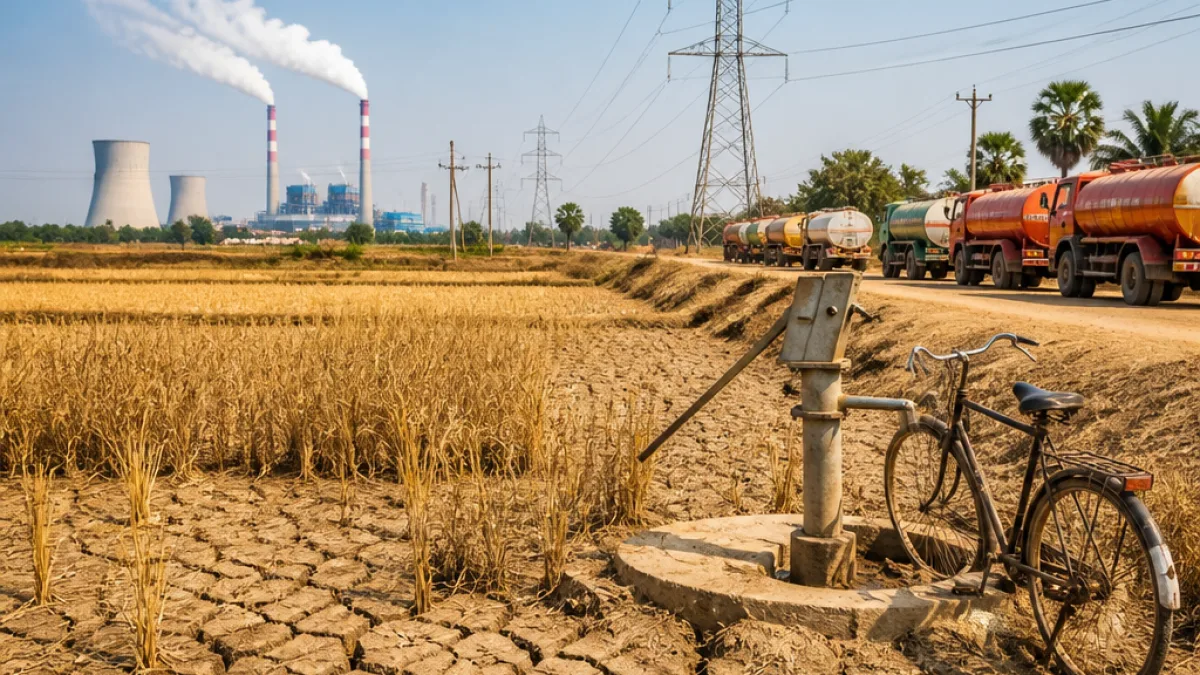
Speaking to reporters in his hometown Kanakapura, Shivakumar said drought had already been declared in 100 taluks, and the administration was in the process of notifying other areas as drought-hit in accordance with prescribed norms, PTI reported. He said groundwater levels had fallen drastically and large swathes of crops were destroyed, with some areas unable to cultivate this season.
“This year, the groundwater level has fallen drastically, and crops have been destroyed. In many places, crops could not even be cultivated. Going forward, the situation indicates that there could be a severe shortage of drinking water and electricity,”
On the power front, the chief minister said electricity demand had crossed 19,000 MW last week, stretching supplies and forcing the state to procure power at elevated rates during peak hours. “We purchased power at ₹11-13 per unit during evening peak hours,” he said, according to the report.
Shivakumar asked Energy Minister K J George to engage with neighbouring states to explore options. He said the government was looking at
- increasing generation from thermal plants within the state;
- importing electricity under the One Nation, One Grid framework from coal-producing regions; and
- bearing transmission charges that would be incurred to bring power from other regions.
Under the One Nation, One Grid arrangement, electricity from any part of the country can be transmitted to Karnataka subject to transmission constraints and charges, Shivakumar noted, adding that the government would study the costs and logistics before taking decisions.
Legislature session to focus on farmers' losses
The chief minister said the state had allocated two days during a special session of the legislature, scheduled for September 21-23, to discuss drought-related concerns affecting farmers. He said MLAs from different parties would be given opportunities to raise constituency-specific issues during the session, and that the special allocation was intended to frame government response and relief measures.
The PTI report quoted Shivakumar saying the administration recognised rising demand for water, electricity and land from investors even as agrarian distress deepened in many districts.
Immediate implications and state options
The twin pressures of failing groundwater and higher power demand carry several immediate consequences:
- Potential short-term drinking water shortages in rural and peri-urban areas where groundwater is the primary source.
- Higher power procurement costs during peak demand, which can raise fiscal pressure on the state power utilities and possibly affect tariffs or subsidies.
- Crop losses and reduced sowing area, affecting farm incomes and demand for relief measures such as compensation, fodder supply and employment support.
| Indicator | Reported figure |
|---|---|
| Taluks declared drought-affected | 100 |
| Peak electricity demand (recent week) | 19,000 MW+ |
| Power purchase rate during evening peak | ₹11-13 per unit |
Shivakumar's comments make clear the state administration is weighing a mix of supply-side and procurement measures. Increasing thermal generation would require ready capacity and fuel linkage, while importing electricity will involve transmission logistics and additional charges. The chief minister did not provide a timeline for these interventions in the PTI report.
What residents and farmers can expect
Officials have not yet announced detailed rationing or rotating power cuts in the report. However, the combination of falling groundwater and elevated electricity procurement costs typically prompts district administrations to:
- prioritise drinking-water supply to vulnerable habitations through tankers and piped networks;