Bridge collapse severs links to dozens of villages
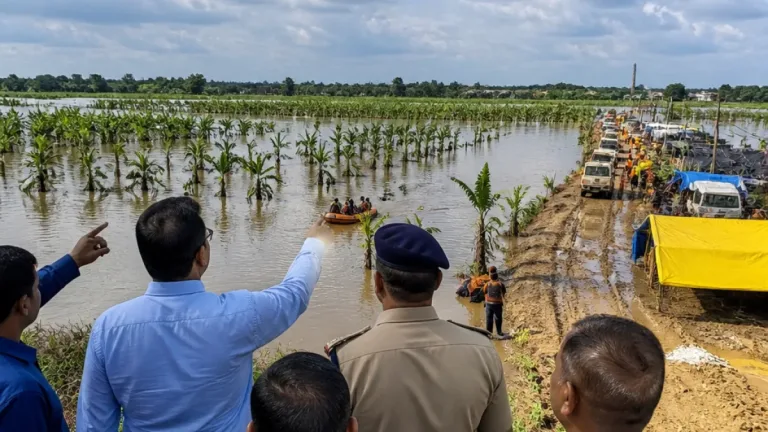
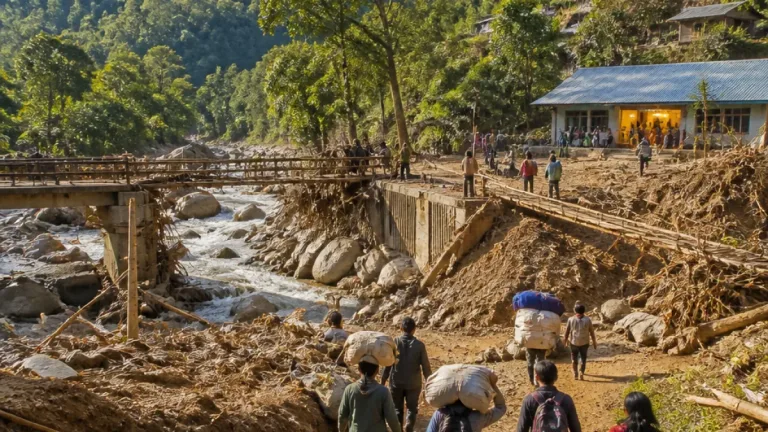
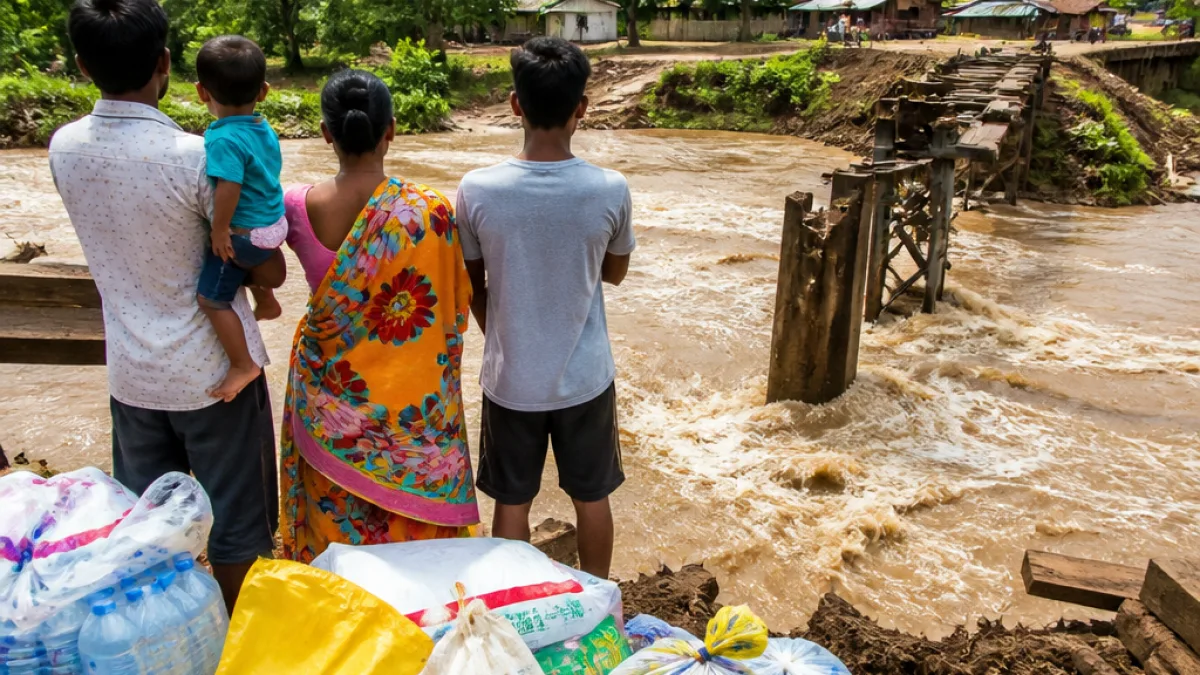
Heavy downpours over the past 48 hours have caused a temporary bridge to be washed away near Chinna Gangavaram in GK Veedhi mandal, disrupting road connectivity to approximately 75 villages in the agency area, officials and local residents reported on Friday.
The bridge, located close to Dharakonda Panchayat, gave way as flows in local streams and drainage channels rose rapidly following back-to-back spells of rain. With the crossing damaged, tribal communities across the affected villages are facing problems in obtaining essential commodities, accessing healthcare and commuting to nearby markets and service centres.
Immediate effects on daily life and services
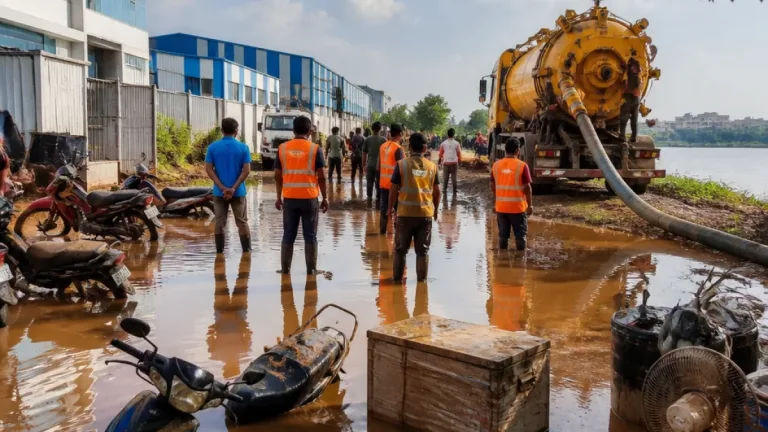
Local sources said the loss of the structure has curtailed both private and public transport links. Traders supplying provisions and medicines have found it difficult to reach the villages, while patients and pregnant women are reportedly unable to travel easily to primary health centres and hospitals in adjoining areas.
- Location impacted: Chinna Gangavaram area, GK Veedhi mandal; Dharakonda Panchayat mentioned as nearest local body.
- Estimated number of villages cut off: 75 (agency area)
- Main disruptions: access to essential commodities, healthcare services and routine transport
Local appeals for urgent restoration
Residents have urged district authorities to take immediate steps to restore connectivity and to reconstruct a permanent crossing at the earliest. They said the temporary bridge had been a vital lifeline for movement between the hamlets and greater market and health infrastructure.
Requests include rapid assessment of damage, provision of interim ferry or pontoon services where feasible, temporary restoration of access through detours, and prioritising reconstruction of a more durable structure to withstand future high flows.
Context and likely next steps
Temporary bridges are commonly used in agency and hill areas to maintain connectivity during road upgrades or where permanent bridges are yet to be constructed. Such structures are vulnerable to extreme rainfall events when water velocities increase and debris load rises, undermining foundations and approach spans.
Given the scale of villages affected, district administration will need to coordinate with the public works department (PWD), local panchayats and the district disaster management authority to conduct on-site inspections, mobilise materials and plan emergency measures. Prioritising life-saving access—medical evacuations and supply of food and medicines—will be a primary concern.
| Item | Detail |
|---|---|
| Incident | Temporary bridge washed away |
| Location | Near Chinna Gangavaram, GK Veedhi mandal; Dharakonda Panchayat area |
| Villages affected | About 75 in the agency area |
| Main impacts | Loss of access to essentials, healthcare and transport |
What residents and local officials should consider
- Immediate needs assessment: identify persons requiring urgent medical attention, pregnant women, elderly and those dependent on regular medicines.
- Temporary access solutions: evaluate feasibility of pontoons, footbridges or motorable detours until a permanent structure is built.
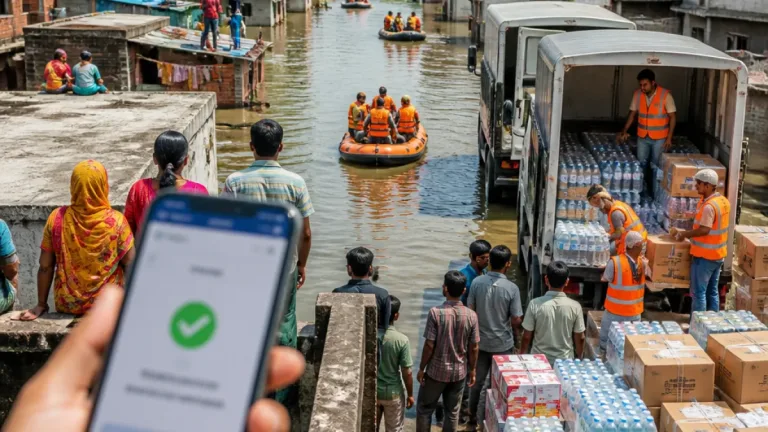
- Supply arrangements: arrange targeted delivery of food, medicines and fuel through alternative routes or air-drops if ground access remains blocked.
- Long-term resilience: design replacement bridge to higher flood standards and ensure approach protection against scour and debris impact.
Residents and village leaders have pressed for a clear timeline from district authorities for both temporary relief and permanent reconstruction. The scale of dislocation underlines vulnerabilities in road and bridge infrastructure in agency areas, where heavy monsoon downpours can rapidly isolate communities.
District officials and departments involved in reconstruction were not quoted directly in initial reports. Further updates are expected as local administration teams complete damage assessments and decide on interim relief and long-term rebuilding plans.
The situation highlights the need to factor extreme rainfall events into rural connectivity planning, including stronger design standards for temporary crossings and proactive maintenance of drainage to reduce the risk of similar failures in future.