Worsening road conditions disrupt travel, damage vehicles across Prayagraj
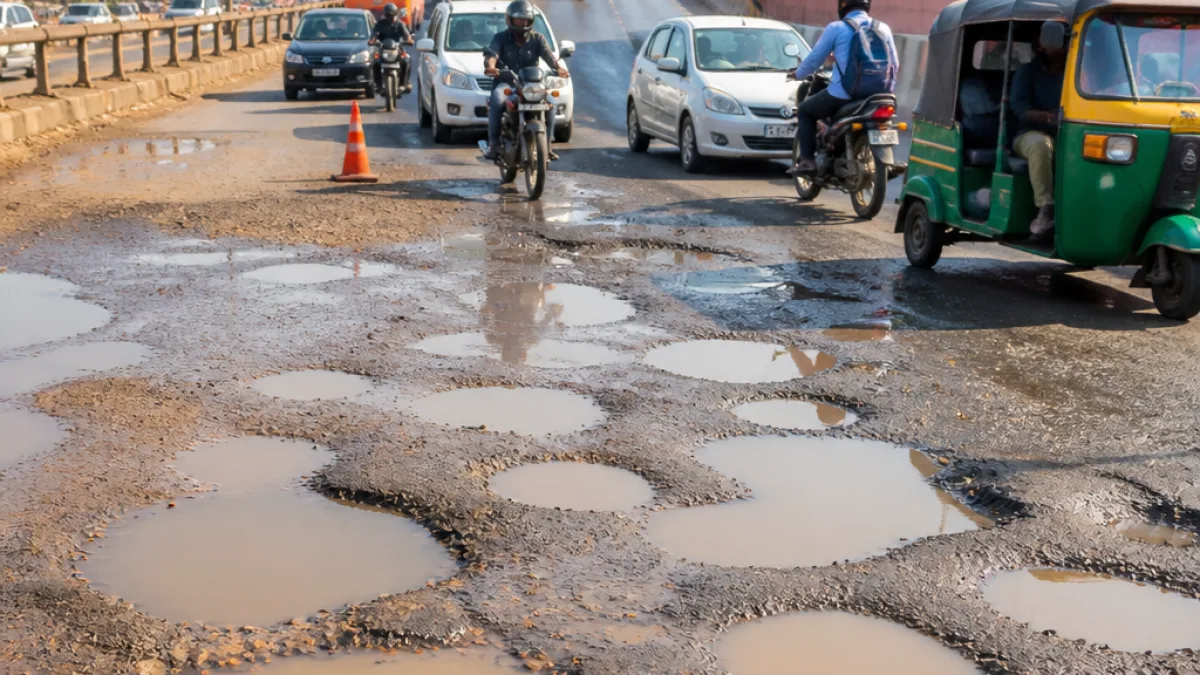
Prayagraj’s motorists and pedestrians are contending with widespread road damage that residents say is making travel hazardous and increasing vehicle repair bills. Several city stretches, including major thoroughfares and approaches to bridges and flyovers, remain cratered and rutted despite officials having identified repair needs.
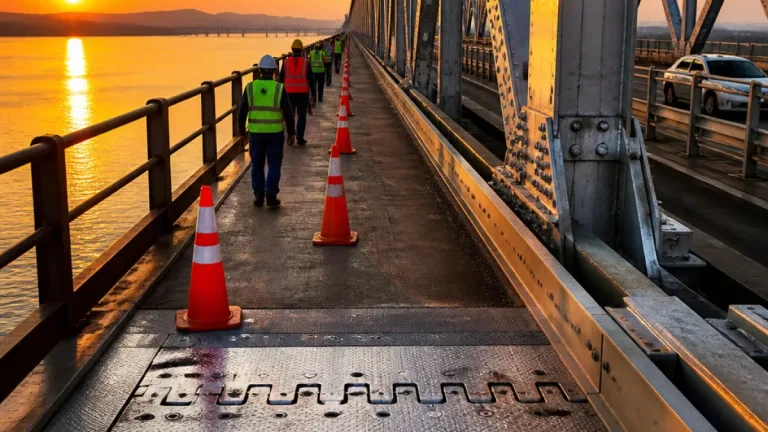
Officials have identified 245 roads in the city for repair and pothole‑filling, but work is yet to begin on most of these stretches, according to local reports. Complaints centre on poor surfaces, disintegrating tabletop crossings and damaged approaches to rail overbridges (ROBs) and flyovers, which residents say have made mishaps seemingly inevitable on busy routes.
- Affected stretches named by residents include Stanley Road, CMP Road, Old Katra, Alopibagh, Rambagh, Chaufatka, Rajapur Trisection, Chota Baghada and Civil Lines and adjoining areas.
- Vehicle impact: Residents told reporters that frequent damage to suspensions, axles, wheels and tyres is now common on these roads.
- Extent: Local reporting cites that over 40% of vehicles, especially luxury cars and SUVs, develop snags regularly because of crater‑filled roads.
“The widened roads meant for commuting are in bad shape and there is no sign of repair or patchwork till now,” a Civil Lines resident said, while another motorist said there are “uncounted potholes” on routes to popular city destinations.
After recent heavy rains, top administrative officials cautioned agencies including the Public Works Department (PWD), the Prayagraj Municipal Corporation (PMC) and other concerned bodies to undertake quality patchwork and warned that complaints of irregularities would be taken seriously. Despite those directives and a high‑profile meeting that discussed urgent repairs, residents report there has been little visible progress on most identified stretches.
| Issue | Impact |
|---|---|
| Potholes and open craters | Frequent vehicle damage; higher risk of accidents |
| Damaged ROBs and flyovers | Uneven approaches, constrained traffic flow |
| Worn tabletop crossings | Suspension damage to vehicles |
Motorists described recurring mechanical failures attributed to road conditions. Repair costs for suspension and wheel damage were reported to be substantial by vehicle owners, with many saying even newly purchased cars face immediate wear on the city’s roads. Business owners and daily commuters told reporters that travel times have increased and that poor roads are affecting deliveries, services and routine mobility.
Administrative sources said the assessment of 245 roads is complete and that priority lists have been prepared, but confirmed that patchwork and resurfacing have not begun on many stretches. The delay, officials acknowledged, stems from logistical challenges following sustained rains, the need for quality assurance and coordination among multiple agencies responsible for different parts of the network.
Residents urged quicker action and called for transparent timelines. They also demanded that agencies ensure quality materials and supervision to prevent rapid deterioration after repairs are carried out. Local motoring groups suggested short‑term measures such as temporary signage, night‑time repair schedules to limit disruption and immediate filling of the deepest potholes to reduce accident risk.
The situation has political and governance implications in a state where infrastructure is a frequent point of public scrutiny. For Prayagraj, a city that handles heavy local and through traffic and hosts important civic institutions, prolonged delays in road repairs could increase costs for commuters and commercial operators and raise safety concerns during peak hours and the forthcoming festival season.
Officials from PWD and PMC said they will provide an updated timeline for remedial work after coordinating with on‑ground engineers and materials suppliers. For now, residents and motorists continue to navigate a network of damaged roads, with many urging accelerated action and closer monitoring to ensure repaired stretches hold up under monsoon and traffic stress.
Key immediate asks from residents and commuters:
- Immediate filling of deep potholes on busiest routes.
- Transparent schedule for resurfacing of the 245 identified roads.
- Quality checks and third‑party supervision to prevent premature deterioration.