New workforce dynamics, not pay, driving Gen Z: IIM‑Rohtak head
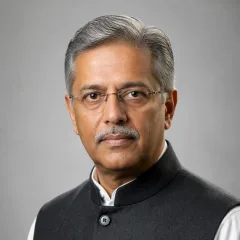
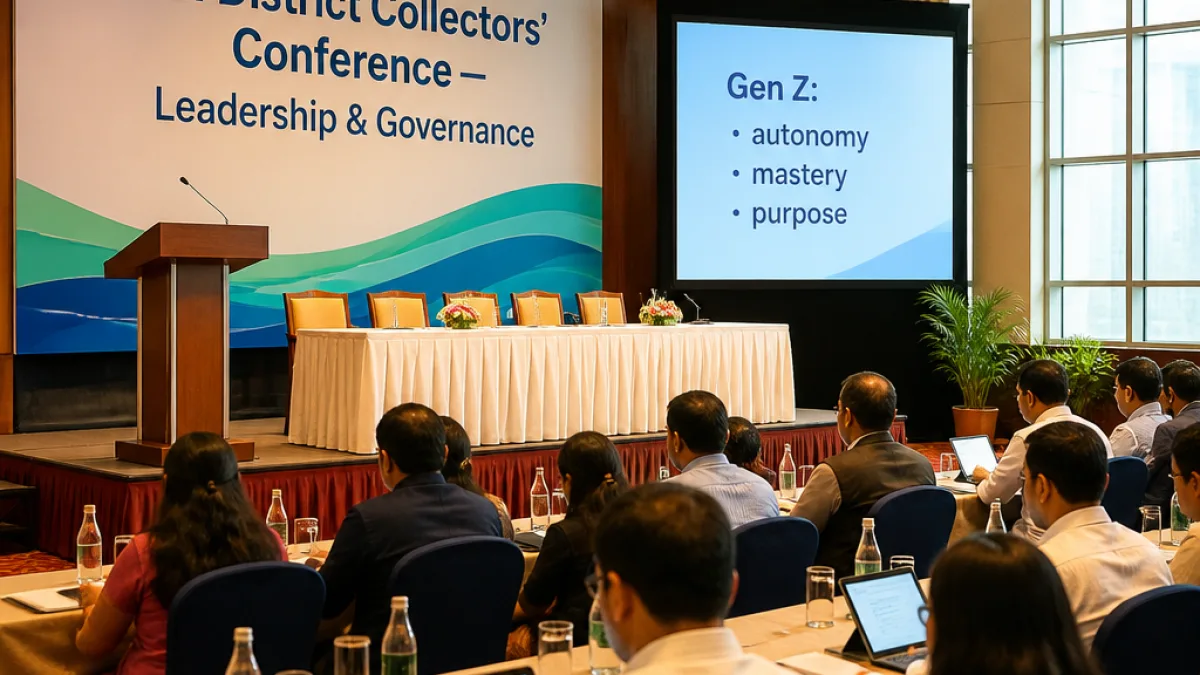
Rohtak — Understanding the mindset of Gen Z and building leadership skills among officials emerged as central themes at the 8th District Collectors’ Conference in Amaravati, where IIM‑Rohtak director Prof. Dheeraj Sharma led a dedicated session on leadership in governance.
Prof. Sharma said the cohort born between 1997 and 2013 displays markedly different priorities from earlier generations, placing higher value on skill development, career growth and workplace environment rather than salary or job security. He referenced Chief Minister N. Chandrababu Naidu’s speech to note the emphasis on results in public administration, saying the CM had used the words "leadership" and "deliver" repeatedly.
- Turnover in first jobs: IIM studies cited by Prof. Sharma indicate that about 72% of those who secure first jobs through campus recruitment quit within a year.
- PSU recruits: The director said roughly seven in 10 recruits in public sector undertakings have alternative offers, signalling greater mobility among new entrants.
Prof. Sharma argued that contemporary employees are more vocal about workplace concerns and are likely to escalate issues through networks and public platforms if internal responses are unsatisfactory. He cautioned that formal designation alone will not ensure staff loyalty or respect; instead, officials must win confidence through knowledge, performance and competence.
"Capability earns respect,"
he said, urging administrators to cultivate an engaging personality alongside technical ability.
Principles for managing the newer workforce
At the conference, Prof. Sharma recommended that officials adopt three guiding principles — autonomy, mastery and purpose — to elicit better performance from employees. He advised that staff should be given defined spaces to take decisions independently while using technology for monitoring and accountability.
The director also urged selective recognition of genuine performers, warning that indiscriminate awards could dilute the meaning of excellence. He stressed that public servants should keep citizens’ welfare as the ultimate yardstick when evaluating the impact of their work.
| Item | Statistic / Detail |
|---|---|
| Gen Z birth years | 1997–2013 |
| First‑job attrition (campus hires) | 72% leave within a year (IIM study cited) |
| PSU recruits with alternative offers | 7 out of 10 |
Implications for Rohtak administration and employers
For local government offices in Rohtak and surrounding districts, the observations carry practical consequences. Human resources practices that rely chiefly on hierarchical authority may be less effective with younger employees who seek meaningful responsibility and visible paths for skill growth. The director’s prescription of autonomy implies delegating clearly defined decision rights; the emphasis on mastery points to continued training and capacity building; and focus on purpose requires linking everyday tasks to measurable citizen outcomes.
Prof. Sharma also highlighted the role of technology as a dual tool: it can support decentralised decision‑making while enabling oversight through transparent monitoring mechanisms. He recommended recognising genuine performers to sustain motivation among high achievers.
The session in Amaravati was the first time a collectors’ conference featured a distinct leadership module, reflecting a broader trend in public administration circles to prioritise people management alongside technical reforms. Prof. Sharma’s remarks underscore a shift in expectations that municipal and state administrators in Haryana may need to factor into recruitment, training and performance evaluation frameworks.
Officials and institutions in Rohtak considering these recommendations may need to review appraisal systems, in‑service training curricula and reward mechanisms to align with the preferences of incoming cohorts. The director’s comments provide a framework rather than a roadmap; further local analysis and pilot initiatives would be necessary to test which measures yield sustained improvements in staff retention and service delivery.