PGIMS Rohtak head seeks comprehensive reassessment of India’s health system
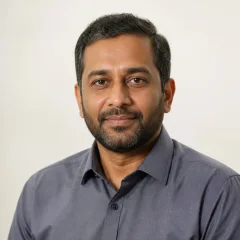
Rohtak — The Medical Superintendent and senior professor at Pandit Bhagwat Dayal Sharma Post Graduate Institute of Medical Sciences (PGIMS), Rohtak, has urged the constitution of a Health Reforms Committee to carry out a comprehensive review of India’s healthcare delivery system at both state and national levels, saying the existing eight-decade-old framework is no longer adequate for present challenges.
In comments reported by medicalbuyer.co.in, Dr Kundan Mittal said India needs a reassessment that addresses demographic change, ageing, resource allocation, growing health awareness, government financing, private-sector participation, and the use of technology and artificial intelligence in health services.
“The Bhore Committee, constituted in 1943, had surveyed India’s health conditions and recommended universal healthcare through integrated preventive, promotive and curative services, primary health centres and medical education reforms... Later, various committees addressed specific healthcare issues, but no comprehensive review of the entire health-delivery system followed,” he said.
Local model: district medical colleges and district hospital functions
Dr Mittal suggested assigning district hospital responsibilities to government or private medical colleges, with government officials retaining a monitoring role for public-health programmes. He said this model could improve treatment quality, reduce government expenditure, ensure continued provision of free medicines, and give medical students greater clinical exposure and practical training.
- Integration proposal: District hospitals to be linked with medical colleges for service delivery and training.
- Financial impact: Potential to reduce direct government spending on tertiary care while maintaining free-medicine supplies, according to Dr Mittal’s proposal.
- Educational benefit: Increased patient load at teaching hospitals to enhance student exposure and practical training.
Digitisation, identity linkage and prescribing norms
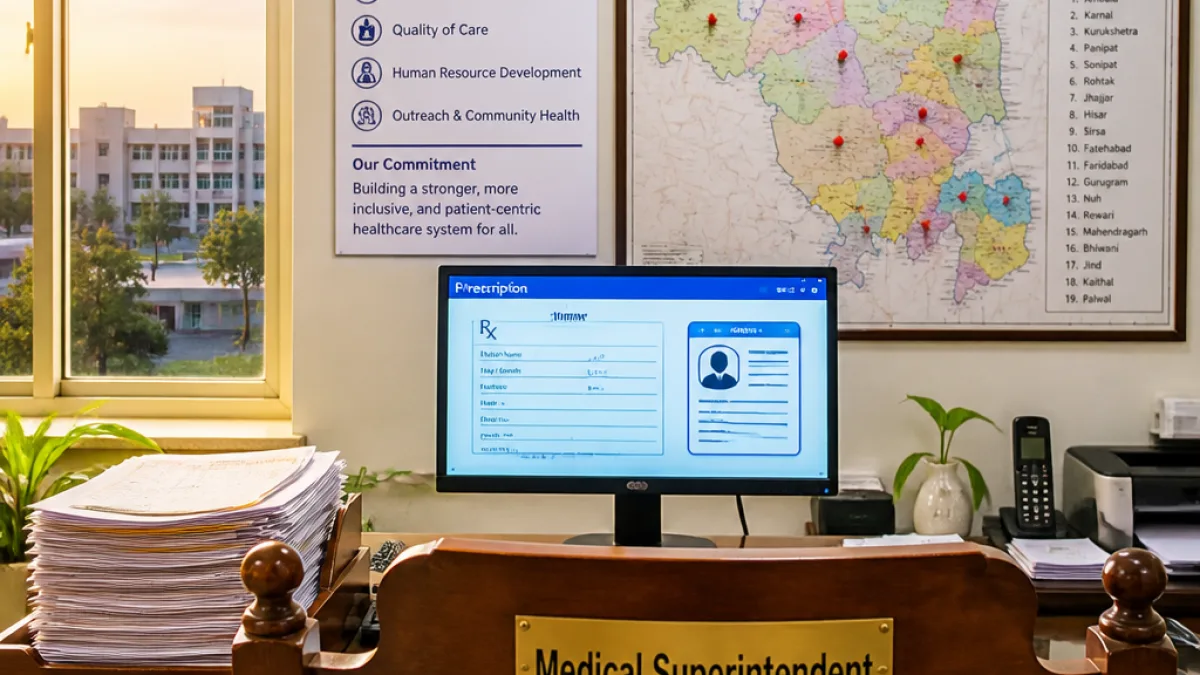
Among operational reforms, Dr Mittal advocated linking health records to Aadhaar or an alternative health identity, with both government and private providers issuing prescriptions through a unified system. He proposed that, except for permitted over-the-counter (OTC) drugs, medicines should be sold only against computerised prescriptions that include the provider’s registration number.
Dr Mittal argued such steps would strengthen continuity of care, improve record-keeping and assist regulatory oversight. He also suggested that computerised prescriptions could help curb quackery by making it harder for unregistered practitioners to write or circulate prescriptions without traceable credentials.
Historical context and why change is being urged
Dr Mittal referenced the Bhore Committee of 1943 — which laid out a framework for primary, secondary and tertiary care and recommended integrated preventive and curative services — noting that while several committees since have addressed specific issues, a sweeping, system-wide review has not been undertaken.
| Committee/Reference | Year | Core suggestion |
|---|---|---|
| Bhore Committee | 1943 | Universal healthcare via integrated preventive, promotive and curative services; primary health centres and medical education reforms |
Implications for Rohtak and Haryana
PGIMS Rohtak is one of Haryana’s major tertiary-care institutions; proposals to tie district hospitals to nearby medical colleges would directly affect referral patterns, training opportunities and service delivery in Rohtak and surrounding districts. Linking patient records to Aadhaar or a health identity could change how residents access care across public and private providers in the state.
Officials and policymakers will need to weigh operational and privacy considerations before adopting Aadhaar-linked health records or mandatory computerised prescriptions. The suggested restrictions on medicine sales — allowing only permitted OTC drugs to be dispensed without computerised prescriptions — would require coordination with pharmacy councils, regulators and private-sector stakeholders.
Dr Mittal’s call for a Health Reforms Committee frames the issue as systemic rather than piecemeal, emphasising the need to update policy to reflect technological advances, private-sector changes and shifting population health needs.
Medicalbuyer.co.in reported Dr Mittal’s comments. The proposals now await consideration by state and national health authorities and any formal response or policy action from the Health Ministry or the Haryana government.