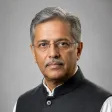
Chandigarh: Haryana Chief Minister Nayab Singh Saini on Tuesday described the signing of the agreement on the long‑running Kishau Multipurpose Project as “historic” for his state, saying Haryana stands to gain a significant share of Yamuna water under the settlement endorsed by six state governments and the Union.
Consensus reached at high‑level meeting
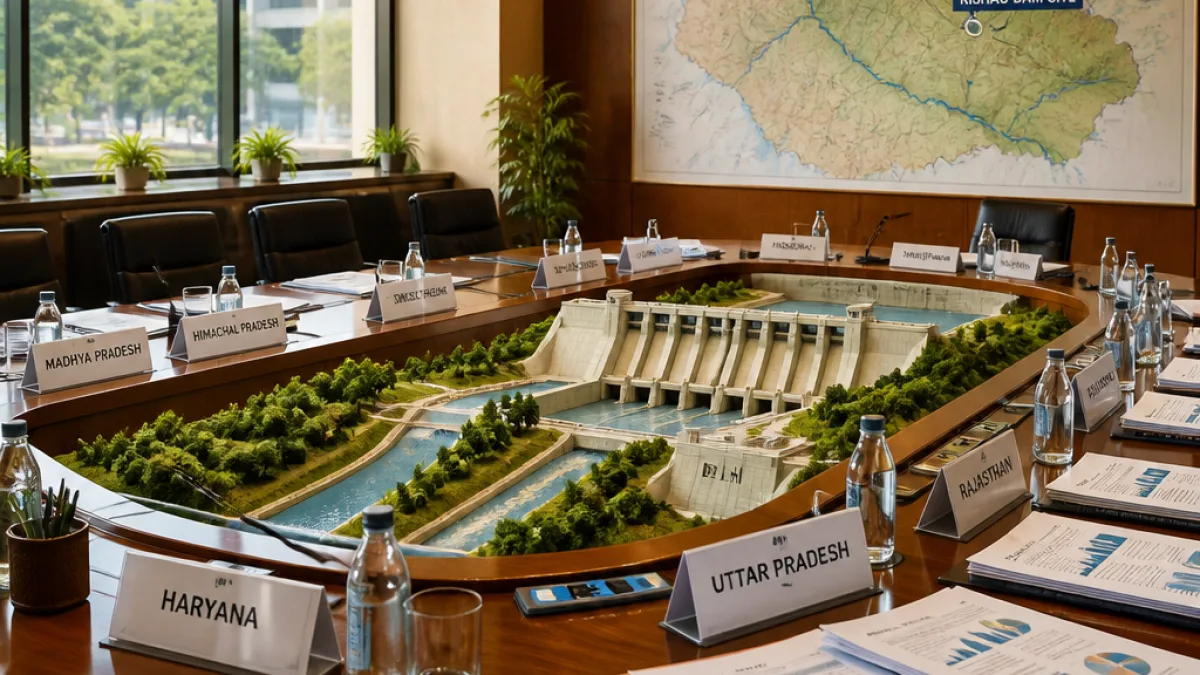
The agreement was formalised at a meeting chaired by Union Home and Cooperation Minister Amit Shah, attended by the chief ministers of Uttar Pradesh, Uttarakhand, Himachal Pradesh, Rajasthan, Delhi and Haryana, and by Jal Shakti Minister C. R. Patil. Officials said the deal brings closure to a dispute described by the Union minister as the 10th water disagreement resolved during the current central government’s term.
“This is historic for Haryana,” Saini said after the meeting in Delhi, noting his state’s entitlement to Yamuna water and the broader benefits expected from the new project and allied works.
What the Kishau project entails
Under the agreement, a 232.6‑metre high concrete gravity dam will be built on the Tons river, a tributary of the Yamuna along the Uttarakhand‑Himachal border. The reservoir will have a gross storage capacity of 1,562 million cubic metres. Projected benefits highlighted at the meeting include irrigation for 97,000 hectares and generation of about 1,476 million units of hydropower.
| Parameter | Figure |
|---|---|
| Dam height | 232.6 m |
| Storage capacity | 1,562 million cubic metres |
| Irrigated area | 97,000 hectares |
| Hydropower generation | 1,476 million units |
Haryana's projected share and wider portfolio
Saini told reporters that Haryana’s entitlement from the Yamuna under the arrangement is 48 per cent, and he emphasised that additional water arriving from the Kishau project will be of direct benefit to the state. He also pointed out that Haryana’s cumulative share from three projects — Renuka Ji, Lakhwar and Kishau — has been calculated at about 1,143 million cubic metres.
The chief minister credited Prime Minister Narendra Modi and Union Minister Amit Shah for brokering consensus among the affected states and thanked Minister C. R. Patil for facilitating faster progress on the Kishau project. Officials present said construction activity on Renuka Ji and Lakhwar is already underway, and finalisation of the Kishau agreement is expected to pave the way for work to begin there shortly.
Why this matters for Haryana
- Additional water availability is likely to support irrigation needs across Haryana’s agricultural belts and help secure supplies for domestic and industrial use.
- Expanded surface storage could reduce dependence on groundwater and ease pressure on aquifers in the medium term, if managed through integrated water policy.
- Hydropower output from the project may add to regional clean energy capacity, though allocations and commercial arrangements will be subject to separate agreements.
Government officials cautioned that while the signed agreement removes a key political and legal hurdle, practical benefits will accrue only after project construction advances and distribution mechanisms are implemented. They said timelines for commissioning and the schedule of releases will be finalised by technical committees and inter‑state boards constituted under the pact.
Centre frames the resolution as part of larger effort
Mr Shah described the occasion as the settlement of another inter‑state water dispute, noting it as the 10th such resolution during the current central administration. The Union’s representation and ministerial oversight were credited by participating states for helping achieve a negotiated outcome.
For Haryana, officials and policymakers will now focus on translating the agreed shares into operational deliveries, upgrading conveyance where needed, and aligning state water management plans to absorb the additional surface supplies. Farmers, irrigation agencies and local administrations will require clear schedules and technical guidance before cropping and investment decisions can be adjusted in line with the expected extra availability of water.
Further technical meetings and follow‑up administrative steps are expected in the coming weeks as ministries and state agencies move towards implementation of the project components and water‑sharing arrangements agreed at the high‑level meeting.