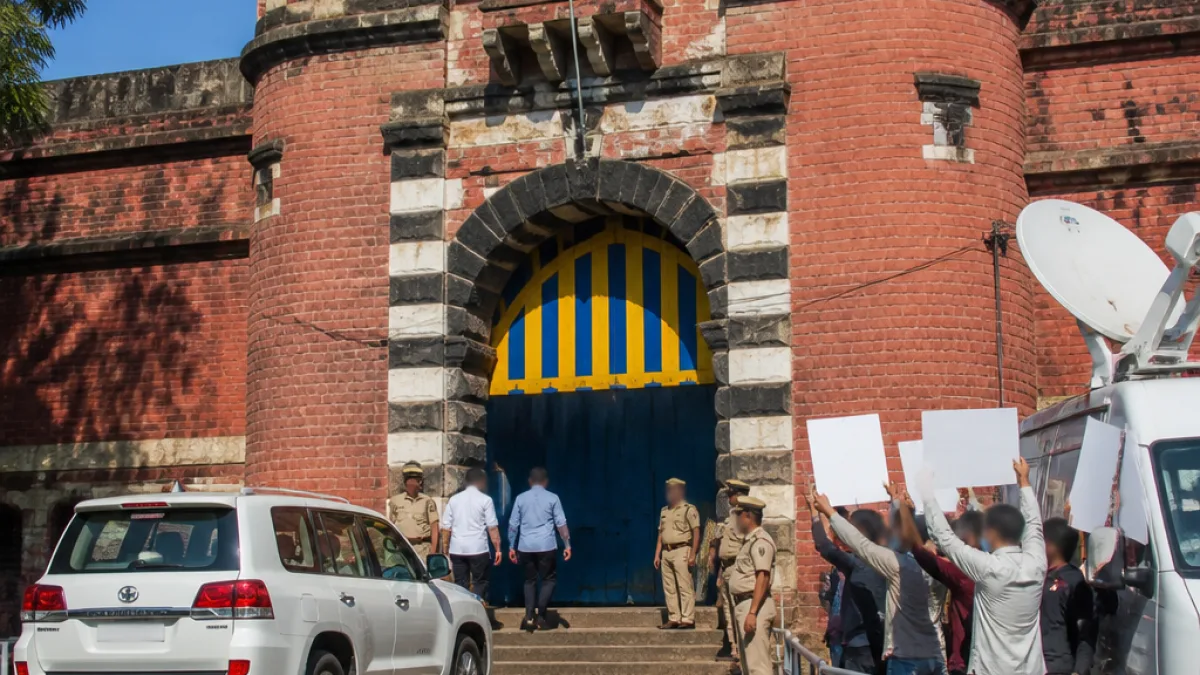
Nashik: Maharashtra State Minority Commission (MSMC) chairman Pyare Khan on Wednesday defended an official visit to Nashik Central Prison, denying claims that he sought or supported the release of gangster Abu Salem and saying he would resign if the authority that appointed him asked him to do so.
Official visit, routine explanation
Khan said the prison visit formed part of the commission's routine inspections across districts to hear grievances of inmates belonging to minority communities. He said members of the commission do not know beforehand which specific prisoners they will meet; the inmates are suggested by the jailer.
"It was an official visit. Members of the commission don't know in advance about the identity of prisoners and who is lodged where. The commission meets prisoners suggested by the jailer," Khan said.
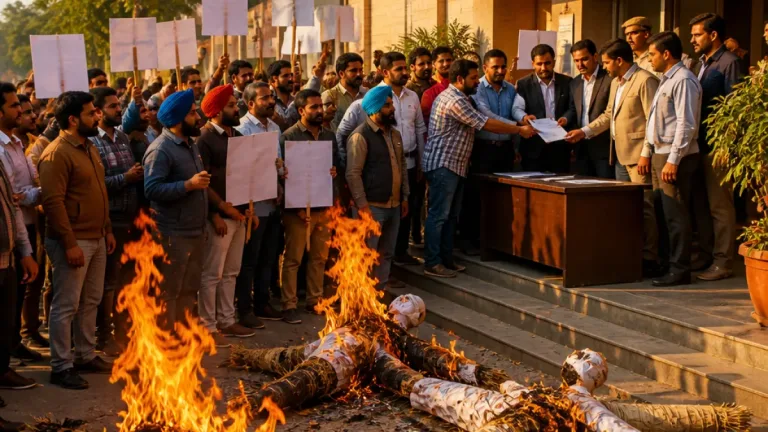
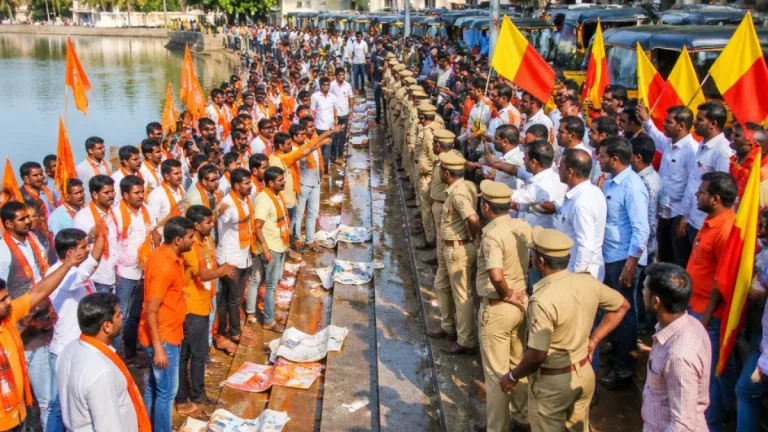
The visit, which has become a flashpoint in state-level political debate, drew strong reactions from the Vishva Hindu Parishad (VHP). The VHP alleged that Khan met Abu Salem during the Nashik prison visit and later said that the gangster should be released. The organisation's Nagpur maha mantri, Amol Thakre, has demanded Khan's removal and asked for central agency probes.
Demands for probe and removal
According to reports, a VHP delegation met the Nagpur district collector and demanded the chairman be removed from his post. The delegation also sought investigations by the National Investigation Agency (NIA) and the Central Bureau of Investigation (CBI) into the matter.
Khan told reporters that he had asked the Deputy Commissioner of Police of Azad Maidan police station in Mumbai to probe who had circulated incorrect statements about the visit. He reiterated the official and routine nature of the inspection and said the commission met prisoners from all minority communities during the visit.
Background: Abu Salem and legal context
Abu Salem is lodged in Nashik Central Prison and is serving multiple life sentences related to his involvement in the 1993 Mumbai blasts and a 1995 murder case. The Supreme Court on September 10 dismissed a plea by Salem seeking release on the ground that he has completed 25 years in Indian custody — a condition set under the terms of his extradition from Portugal.
The Supreme Court decision remains part of the context in which the prison meeting has been politicised. Salem's continued imprisonment and prior legal history mean any high-profile meetings at Nashik Central Prison tend to attract attention from political and civil society groups.
Local implications and next steps
The controversy places Nashik Central Prison and routine prison oversight activities under heightened scrutiny. Key outcomes to watch in the coming days include:
- Whether the appointing authority asks Khan to step down, leading to a resignation.
- Any formal complaints lodged with state police, or transfer of the matter to central agencies such as the NIA or CBI.
- Official responses from the MSMC and the prison administration clarifying the list of inmates the commission met during the visit.
Local officials in Nashik did not immediately issue detailed public records of the inmates the MSMC met; Khan said the meetings occurred inside the prison and included prisoners from various minority communities as suggested by the jailer.
| Timeline | Event |
|---|---|
| Recent week | Pyare Khan visits Nashik Central Prison as part of MSMC inspections (reported) |
| Following visit | VHP alleges Khan met Abu Salem and demanded his removal and probe |
| 10 September | Supreme Court dismissed Abu Salem's plea for release after 25 years in India |
For Nashik residents, the episode highlights tensions that can arise when routine oversight visits intersect with high-profile prisoners. It also raises questions about transparency in official prison visits and the processes followed by statutory bodies when engaging with penal institutions.
Khan's insistence that he would resign "in 30 seconds" if asked by his appointing authority adds a personal political element to the row. How the state administration and the MSMC respond — whether by publishing details of the visit, seeking an inquiry, or taking internal action — will determine whether the matter remains a short-lived controversy or escalates into a wider political dispute.
Officials at Nashik Central Prison and the MSMC were yet to release a formal, itemised list of whom the commission met during the inspection at the time of reporting.