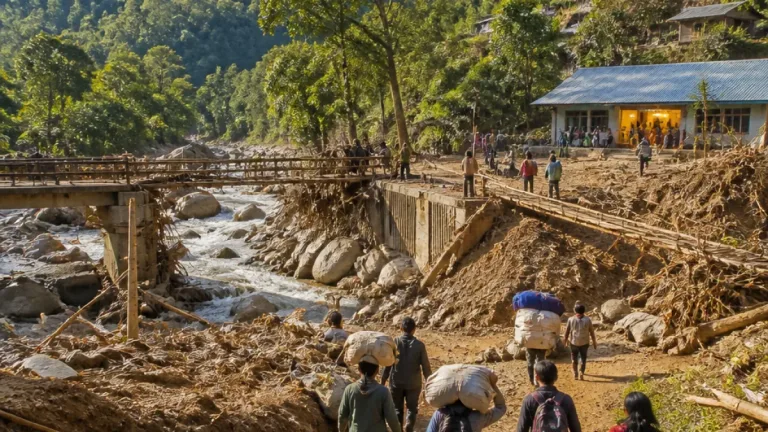
Devlali site reclaimed after years as garbage dump
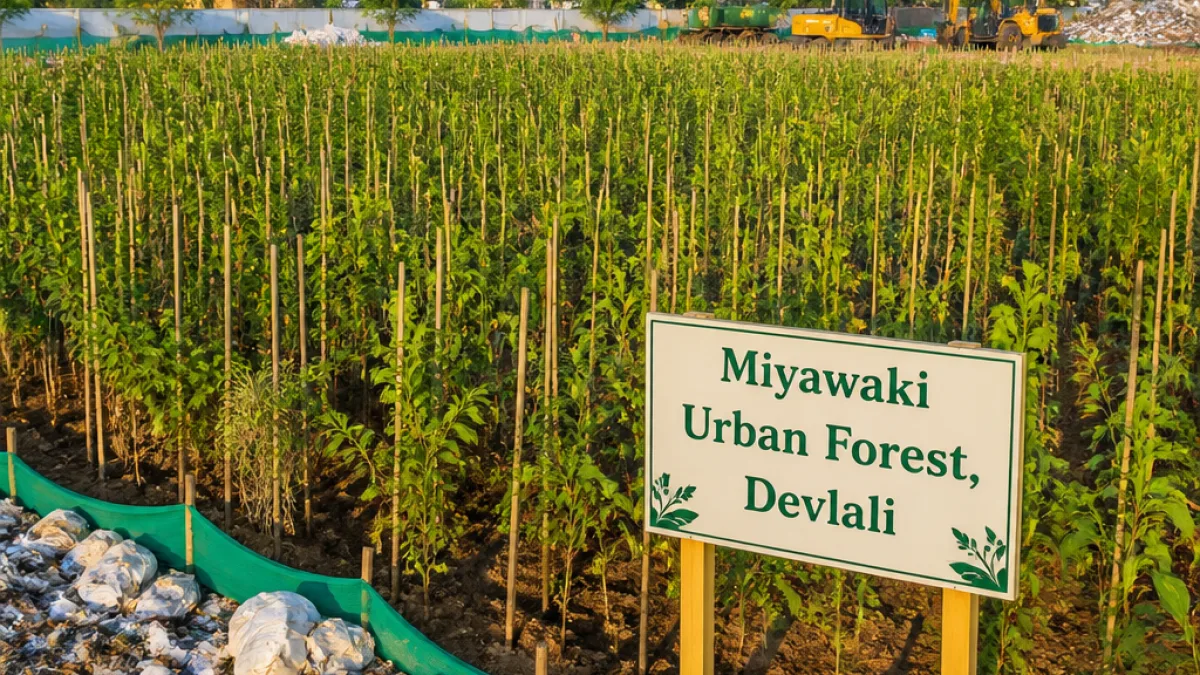
NASHIK: A patch of land in Devlali Cantonment that for years served as an open dumping ground has been transformed into Nashik’s first Miyawaki urban forest, with around 42,000 native saplings planted across 1.40 hectares, a report said on Sunday.
The site, long an eyesore strewn with plastic bags, discarded clothes, broken glass and household waste, often collected stagnant rainwater during the monsoon, producing foul-smelling leachate. According to the report, cantonment officers obtained the necessary NOC to begin work in March this year and used earthmoving equipment to clear the accumulated garbage before planting.
Scale, species and the Miyawaki technique
The new urban forest includes saplings drawn from more than 40 indigenous species, planted densely following the Miyawaki method. The technique, developed by Japanese botanist Akira Miyawaki, emphasises close planting of native species to speed up forest growth and increase biodiversity in a short span. The report did not list the botanical names of species planted.
- Area converted: 1.40 hectares in Devlali Cantonment.
- Number of saplings: Around 42,000.
- Species: Over 40 indigenous species (specific species not detailed in the report).
Local officials involved in the project are reported to have cleared the site with heavy machinery before planting began. The transformation has removed visible waste and standing leachate that had posed environmental and public-health concerns for residents in nearby neighbourhoods.
Local implications and context
The Devlali project is presented as Nashik’s first recorded Miyawaki urban forest, signalling growing municipal and civic interest in dense, native-species planting as a tool for urban greening. Urban forests planted by the Miyawaki method are often promoted for benefits such as quicker canopy formation, higher bird and insect visitation and improved microclimatic conditions; however, the report does not provide post-planting monitoring data or a maintenance plan for the Devlali site.
Residents and neighbourhood committees in and around Devlali have long raised concerns about open dumping, odour and waterlogging during the monsoon. The report notes that the cleared site no longer shows the pools of foul-smelling leachate that formed when rainwater mixed with household waste.
Project management and follow-up
The report attributes the start of work to cantonment officers obtaining the required permissions in March, after which the physical clearance and planting were executed. It does not specify the agency responsible for ongoing maintenance, funding details, or the timeline for expected canopy development.
| Metric | Figure |
|---|---|
| Area reclaimed | 1.40 hectares |
| Saplings planted | ~42,000 |
| Indigenous species used | >40 |
Environmental groups and civic activists in Nashik have in the past urged greater transparency on urban greening efforts — especially concerning species selection, water requirements and long-term care — to ensure newly planted areas survive dry seasons and truly deliver ecological benefits.
For residents of Devlali and surrounding areas, the immediate change is visible: the dump that once emitted foul odours and attracted waste now carries saplings and a planned green canopy. Officials involved secured the NOC and completed the first planting phase; further details on maintenance and community engagement were not specified in the report.
The reclamation aligns with wider municipal efforts across Maharashtra to convert degraded urban land into green spaces, but the long-term success of such projects typically depends on ongoing maintenance, species survival rates and regular monitoring — items yet to be laid out for the Devlali forest in the available report.