Mumbai, Maharashtra — Maratha quota activist Manoj Jarange reached Mumbai on Tuesday despite the city police refusing permission for his proposed demonstration at Azad Maidan, sharpening pressure on the state government while he continues a hunger strike that has entered its 17th day, India Today reported.
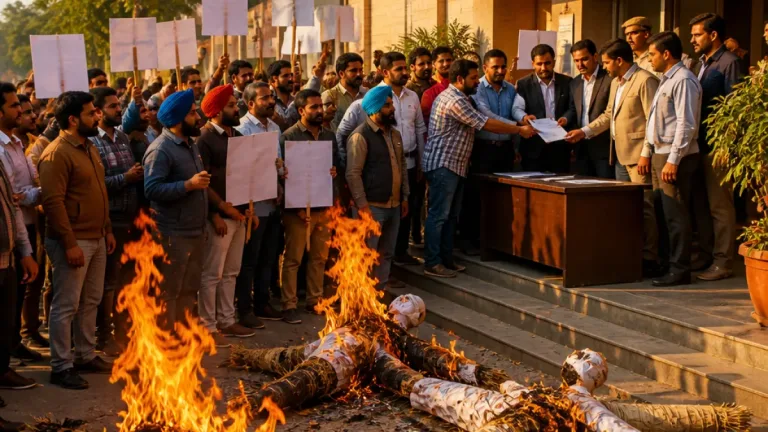
Jarange, who is demanding Other Backward Classes (OBC) reservation for Maratha community members with Kunbi caste genealogies, left his village in Jalna district and travelled to Mumbai in a small convoy after police cited law-and-order concerns and the ongoing Ganesh festival for declining permission to hold a mass protest.
Journey to the city and the police stand
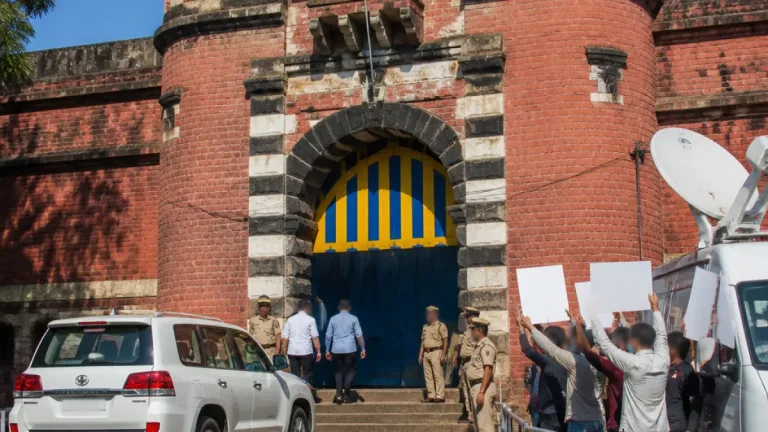
The activist left from Antarwali Sarati village in Jalna, accompanied by a select group of about five to ten associates, according to the report. He appeared frail and was seated in the front of the car, dressed in his usual white shirt and trousers. Mumbai police had earlier refused permission for a gathering at Azad Maidan, saying policing challenges during the festival season could jeopardise public order.
- Demand: OBC reservation for Marathas with Kunbi genealogies.
- Hunger strike duration: 17 days at the time of arrival.
- Police action: Permission for mass protest denied citing Ganesh festival and law-and-order concerns.
Jarange changed his original plan to mobilise large numbers from across Maharashtra and instead travelled with a small group amid heavy security deployment. The Maharashtra government and several ministers, including Chief Minister Devendra Fadnavis, have repeatedly urged Jarange to call off his fast, with the state saying it is open to talks on demands that are legally tenable.
Claims, judiciary reference and health concerns
While on the way to Mumbai, Jarange cited a Bombay High Court ruling that, he said, had refused to restrain him from protesting in the city. He reiterated his commitment to the cause and made serious allegations about threats to his life.
"Nothing is more important for me than my community. I will die for my community or get a reservation for them. The court has said that if anyone is agitating democratically, it cannot be stopped. The judiciary is with us,"
He also alleged a conspiracy to kill him, asking rhetorically whether the Chief Minister wanted to "kill me with bullets," and insisted he would continue despite any threats. India Today reported that Jarange said he would not withdraw his agitation even if harmed, repeating that protecting the Maratha community was his paramount concern.
Earlier in the day, Jarange is reported to have undergone a health check as concerns about hunger strikers' wellbeing mount. The state has conveyed its willingness to hold discussions on lawful demands, and ministers have appealed to him to stop the fast and engage in talks.
Local context and potential implications for Mumbai
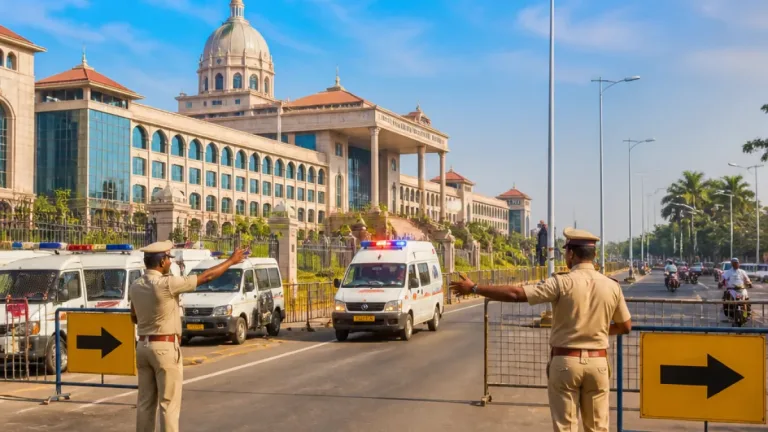
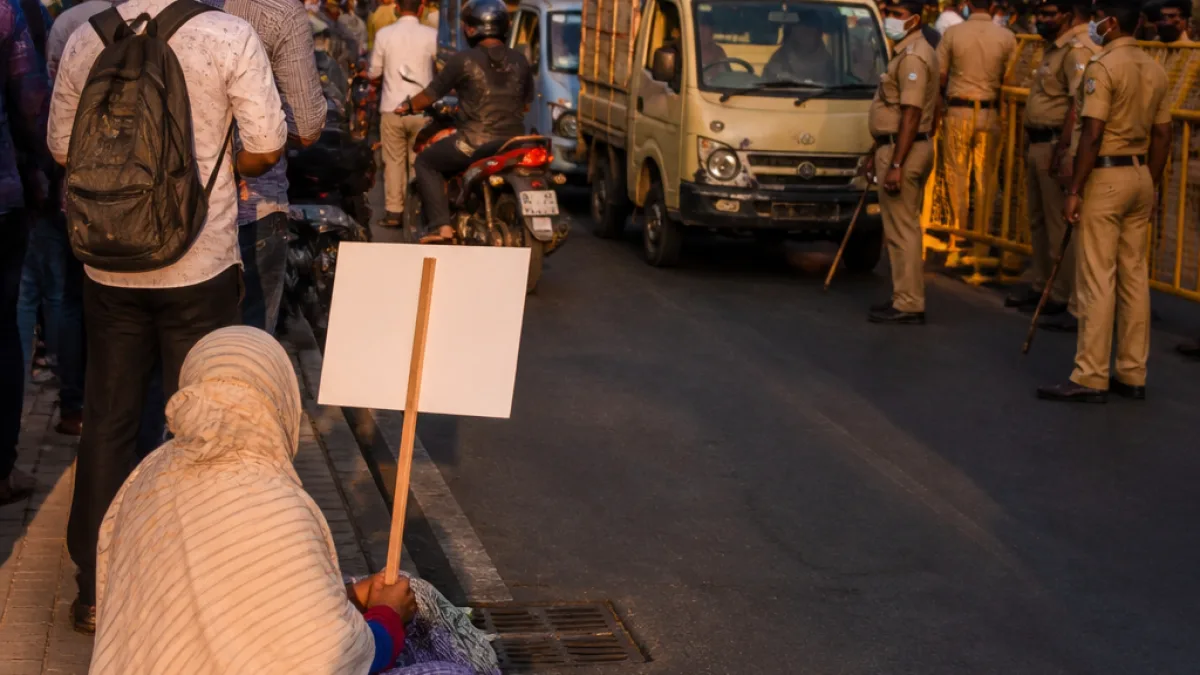
Mumbai administration typically imposes strict controls on large demonstrations during major public festivals to avoid clashes and disruption. Azad Maidan, centrally located and symbolic for large public gatherings, often becomes a focal point during political protests; the police denial reflects these operational considerations during the Ganeshotsav period. Any prolonged standoff or large mobilisation could affect traffic, public safety and festival arrangements across south Mumbai and the central city.
Jarange's arrival is likely to test the city's crowd-management arrangements and the government's capacity to combine law-and-order measures with political negotiation. Political observers note that demands for reservation and caste-based mobilisations have a history of prompting rapid responses from the state in Maharashtra, given the sensitivity around communal balance and electoral implications.
| Item | Detail |
|---|---|
| Activist | Manoj Jarange |
| Demand | OBC reservation for Marathas with Kunbi genealogies |
| Hunger strike | 17 days (at time of report) |
| Police action | Denied permission for Azad Maidan protest citing Ganesh festival |
The Maharashtra government and Mumbai police have signalled readiness to engage where demands fall within legal frameworks, while also reserving the right to enforce public-order measures during a high-footfall religious festival. As Jarange remains in the city, authorities will have to balance constitutional rights to protest with civic management and public safety requirements.
Reportage credited to India Today was used for this dispatch.