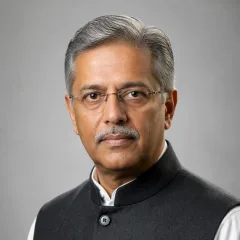
Srinagar: Jammu and Kashmir Chief Minister Omar Abdullah on Wednesday urged political leaders in Ladakh to obtain formal, written guarantees from the Central Government on their demands for constitutional safeguards, rather than relying on oral assurances. His remarks came after a round of discussions at sub‑committee level between representatives of the Ministry of Home Affairs (MHA) and leaders of the Leh Apex Body (LAB) and the Kargil Democratic Alliance (KDA).
Advice linked to J&K experience, recent talks in New Delhi
Abdullah drew a link between Ladakh’s demands and Jammu and Kashmir’s own long-running quest for restoration of statehood, saying the latter had been promised verbally after Assembly elections but that the promise remained unmet. He cautioned Ladakh’s leadership to press for commitments in writing and via formal procedures before accepting any assurance from New Delhi.
"I can only give advice to the leaders of Ladakh as a friend and elder brother. Please do not believe any promise of the Central Government unless it is given to you in writing," Abdullah said.
The Chief Minister made the remarks while speaking to reporters in Srinagar. He said LAB and KDA representatives had reported no concrete outcome from their most recent sub‑committee talks with the MHA in New Delhi, a development that has heightened public concern in Leh and Kargil.
Responses from Ladakh administration and regional groups
Ladakh Chief Secretary Ashish Kundra has sought to temper anxieties by urging regional leaders and residents to remain optimistic, saying progress was being made on several outstanding issues. Leaders of the Leh Apex Body and the Kargil Democratic Alliance, however, indicated that the New Delhi discussions did not yield tangible commitments.
- Demand focus: Ladakh leaders are pressing for constitutional safeguards related to protection of land and employment.
- Administrative tone: Chief Secretary Ashish Kundra called for calm and said work on key matters was underway.
- Political caution: Omar Abdullah recommended securing written, signed assurances rather than depending on verbal promises.
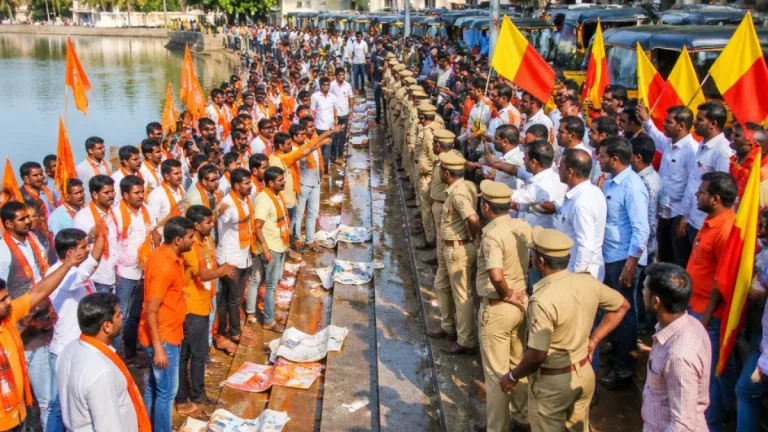
The timing of Abdullah’s intervention coincides with heightened public activity in the region. The KDA has announced a large rally on September 20 to demand justice for four people killed in last year’s unrest in Leh; the first anniversary of the September 24 protests is also approaching.
What Abdullah said about democratic protest and dialogue
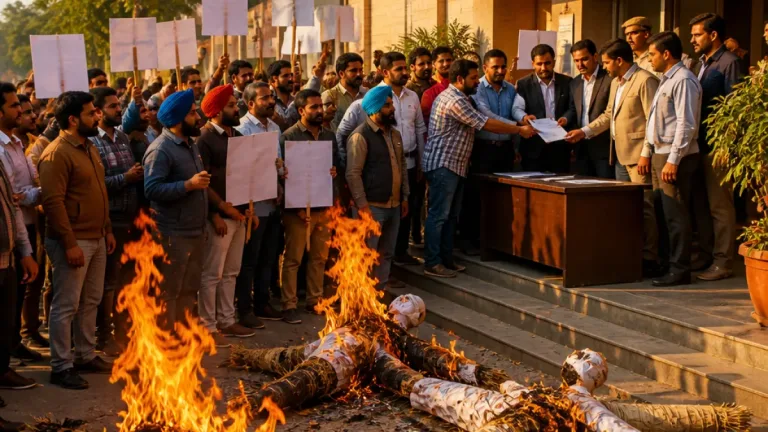
On broader protests across the Kashmir Valley, Abdullah reaffirmed that peaceful demonstration is a legitimate democratic right while underscoring the importance of dialogue. He encouraged agitating groups to pursue negotiations alongside street protests to secure meaningful outcomes.
"To tell people in a democracy that they cannot protest would be wrong. But apart from protests, there are other ways to convey your message to the government," he said, urging groups to return to the dialogue table.
Implications for Ladakh’s campaign
Abdullah’s counsel highlights two practical steps for Ladakh leaders if they intend to press for constitutional safeguards:
- Insist on written and signed documents from the Centre that detail the scope and timeline of any commitment;
- Use formal channels — such as legally binding instruments, memoranda of understanding or parliamentary assurances — rather than informal or oral promises.
Political observers note that securing a written commitment can create clearer accountability and a record for future follow-up, whereas verbal assurances rely on trust between parties and are harder to enforce.
Next steps and local atmosphere
With the KDA’s September 20 rally scheduled and public sentiment still raw after the previous year’s unrest, the way Ladakh’s leadership responds to Abdullah’s advice could shape short‑term protest strategy and long‑term negotiations with the Centre. Officials in Leh and Kargil have indicated they will continue engagement with central agencies, while community groups weigh the benefits of street mobilisation against negotiation.
| Event | Date | Note |
|---|---|---|
| KDA rally | September 20 | Demand for justice for four people killed in Leh violence |
| Anniversary of protests | September 24 | First anniversary of last year’s demonstrations |
Abdullah’s intervention adds an external political voice urging caution and formalism to a local campaign that remains unsettled. How Ladakh’s leaders respond — whether by securing written commitments, intensifying public demonstrations, or both — will determine the immediate trajectory of the region’s engagement with the Centre.