LEH/KARGIL: The Union Territory of Ladakh will not be granted statehood or a conventional legislature, the administration said on Thursday, announcing instead that a unique elected body with legislative, executive and financial powers will be crafted for the region.
Administration outlines sui generis model
Chief Secretary Ashish Kundra said officials had agreed with Ladakhi leadership to work on a sui generis governance model that does not exist elsewhere in the country and will provide the region an elected institution vested with expanded powers. He added the exact nomenclature of the proposed body had not been finalised and discussions were ongoing.
“An agreement has been reached with the [Ladakhi] leadership here, a sui generis model, which does not exist anywhere in the country, will be crafted for Ladakh, where a legislative body will be created,” Kundra was quoted as saying.
The administration clarified that neither statehood nor a traditional legislature for Ladakh was under consideration. Instead, officials said they were exploring a bespoke arrangement designed to reflect Ladakh’s specific social, cultural and ecological sensitivities while devolving legislative, executive and financial authority to a local body.
Why this matters to Ladakhis
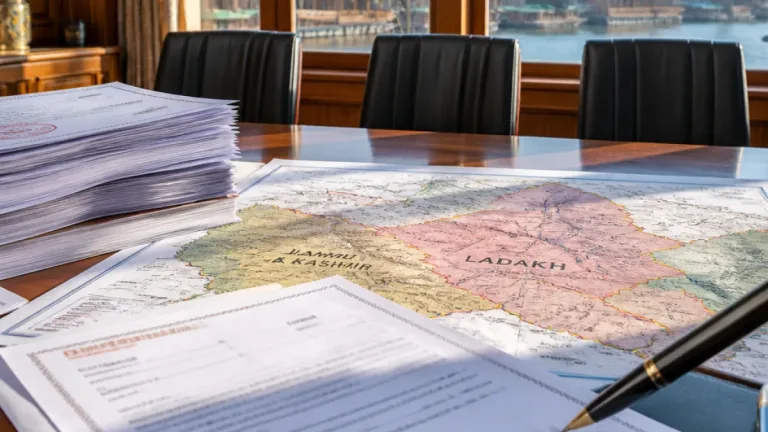
The decision addresses long-standing anxieties in the Union Territory that followed the abrogation of Article 370 in August 2019 and the simultaneous bifurcation of the erstwhile state of Jammu and Kashmir into two Union territories. Unlike Jammu and Kashmir, Ladakh was made a Union territory without a legislature, prompting concerns among residents about protection of land, natural resources, way of life and livelihoods.
Local civil society groups have maintained a set of demands to secure constitutional and institutional safeguards for the region. By 2022, residents had narrowed their requests to four principal demands, which the administration acknowledged as central to ongoing talks:
- Statehood for Ladakh.
- Constitutional safeguards under the Sixth Schedule.
- Separate Lok Sabha seats for Leh and Kargil districts.
- A recruitment process and a separate Public Service Commission for Ladakh.
Officials said the proposed body aims to address several of these concerns by vesting local legislators with powers over law and order, administration and finances, though the detailed contours and legal basis are yet to be made public.
Constitutional pathway and unresolved questions
Officials indicated discussions had included exploring provisions under Article 371 of the Constitution as the basis for an administrative arrangement tailored to Ladakh, but they emphasised the nomenclature and the precise legal route remained under consideration. The administration has not released the draft text of any amendment, statute or regulation so far.
Key unresolved issues that will determine the scope of the proposed body include:
| Issue | Questions to be resolved |
|---|---|
| Executive authority | Whether the elected body will have control over the bureaucracy and day-to-day administration. |
| Financial powers | Extent of taxation, budgetary control and planning authority to be devolved to the local body. |
| Legislative competence | Subjects on which the body can legislate and interaction with Union laws. |
Administration spokesmen stressed that while a legislative body would be created in the new model, the legal architecture — whether through a new Article, a special statute or an executive arrangement — remained to be finalised in consultation with Ladakhi representatives.
Civil society reaction and risk of protests
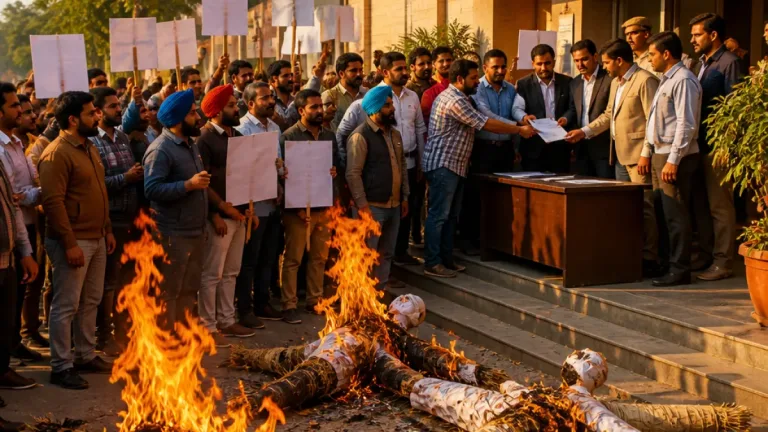
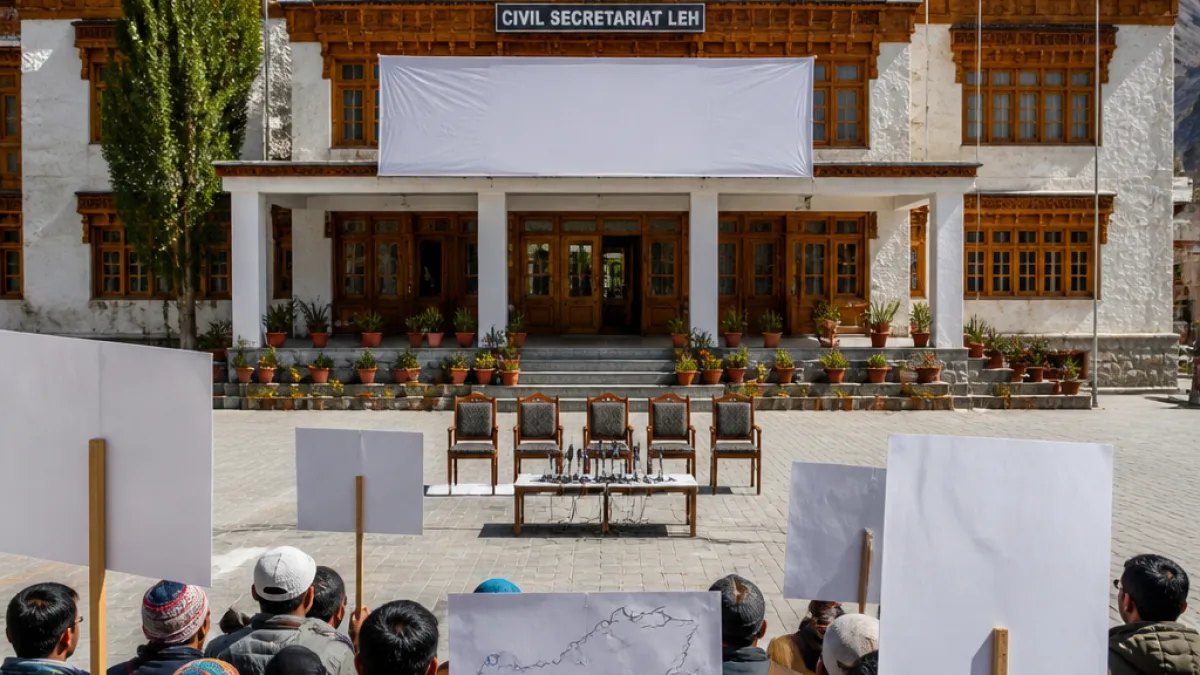
Civil society groups leading the statehood campaign expressed disappointment that talks had not produced a concrete proposal. Some organisations warned they would launch protests if a tangible draft was not provided within a week.
Protesters have previously argued that only statehood or constitutional safeguards under the Sixth Schedule would adequately protect land, cultural identity and the fragile mountain ecosystem from external pressures. The administration, while asserting its intent to secure local safeguards, has not yet disclosed how the proposed model will respond to those specific demands.
Next steps
Officials said further consultations with Ladakhi leadership will continue until the nomenclature and powers of the new body are finalised. The administration did not provide a timeline for delivering a draft text or statute, and it remains unclear when formal legislative or constitutional changes, if any, will be placed before Parliament or the relevant authorities.
The outcome of these talks will determine whether the proposed arrangement satisfies the region’s long-running demands for political autonomy and legal protections, or whether public mobilisation will resume to press for statehood and Sixth Schedule safeguards.