Leh, Sep 12: Ladakh Lieutenant Governor Vinai Kumar Saxena on Saturday inaugurated four initiatives introduced by the Ladakh Police to strengthen public safety, emergency response and technology-enabled policing across the Union Territory, a Lok Bhavan spokesperson said.
Four new measures to aid policing, rescue and tourist assistance
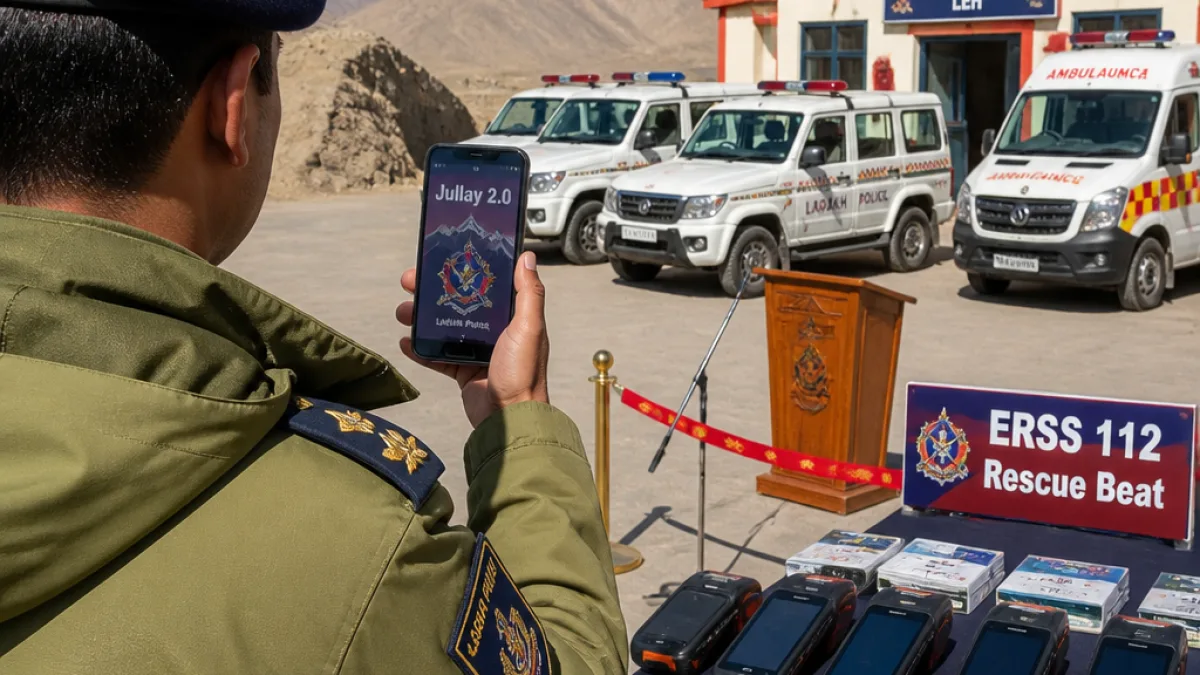
The measures unveiled include the rollout of Jullay 2.0 — a dedicated tourist assistance app; the introduction of 20 e-Challan devices with the Traffic Wing; the extension of the Emergency Response Support System (ERSS) 112 through five new Rescue Beats; and the opening of Tourist Facilitation Centres-cum-Check Posts at North Pulu in Nubra and Serchu in Changthang, the spokesperson said.
The Lieutenant Governor commended the police for tailoring interventions to the Union Territory’s terrain, climate and connectivity challenges and for preparing for rising tourist footfall at high altitude, the statement added.
“These initiatives demonstrate that Ladakh Police is not merely adopting technology for modernisation, but is using it to meet the specific needs of our people and visitors. By combining technology with infrastructure and trained manpower, these measures will make policing more responsive, transparent and accessible, particularly in our remote and strategically important areas,” Saxena said.
About Jullay 2.0
The spokesperson said Jullay 2.0 consolidates tourist assistance, safety services, weather information and related facilities on a single digital platform. The app will provide live notifications — including alerts, advisories and updates — intended to help visitors and locals respond to rapid changes in weather and road conditions that are common in Ladakh.
Jullay 2.0 also allows users to lodge complaints and report incidents directly to the police; the functionality includes the option of anonymous reporting. The app has been rolled out for Android devices via the Google Play Store, with availability on the Apple App Store expected in due course, the spokesperson said.
Other initiatives and intended impact
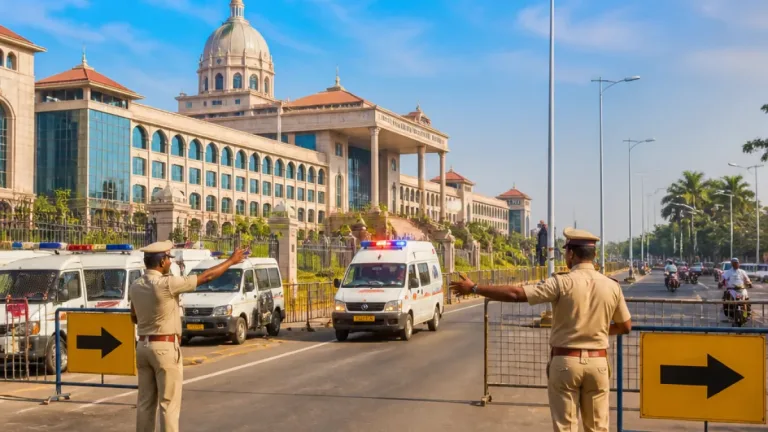
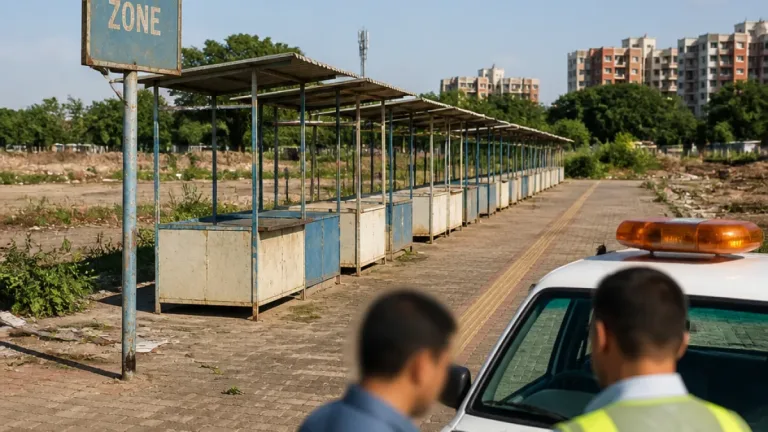
The introduction of 20 e-Challan devices is aimed at modernising traffic enforcement and improving transparency in issuing fines. Expansion of the ERSS 112 network through five additional Rescue Beats seeks to shorten response times in remote areas. The two Tourist Facilitation Centres-cum-Check Posts at North Pulu and Serchu are intended to provide on-ground assistance, screening and guidance to travellers entering sensitive or high-altitude zones.
Officials framed the package as a combination of technology, infrastructure and manpower designed to make policing more responsive across Ladakh’s challenging landscape. The Lieutenant Governor urged continuous modernisation and regular evaluation of such measures based on practical experience and public feedback so that technological interventions translate into quicker response, greater transparency and improved public service, the Lok Bhavan statement said.
What this means for residents and visitors
- Tourists will have access to consolidated safety and weather alerts through Jullay 2.0 and can report incidents directly to police.
- Road users can expect digital traffic enforcement through e-challans, which aim to reduce paperwork and improve accountability.
- People in remote areas may see faster emergency response as ERSS rescue beats extend coverage of the 112 service.
Summary of initiatives
| Initiative | Key feature | Location/Scope |
|---|---|---|
| Jullay 2.0 | Tourist assistance app with live alerts and anonymous reporting | UT-wide; Android available now, iOS coming |
| e-Challan devices | 20 devices for digital traffic enforcement | Traffic Wing, Ladakh Police |
| ERSS 112 Rescue Beats | 5 additional rescue beats to expand emergency response | ERSS network across Ladakh |
| Tourist Facilitation Centres | Check posts providing assistance and screening | North Pulu (Nubra) and Serchu (Changthang) |
The Lok Bhavan statement stressed that these measures are meant to address both civilian safety and the practical challenges of policing in high-altitude and strategically sensitive areas. It said the use of technology would be complemented by infrastructure and trained manpower to improve accessibility and transparency of services.
Officials will need to monitor user uptake of the app, the operational integration of e-challans into traffic management systems, and the effectiveness of the new ERSS beats in reducing response times — particularly during peak tourist seasons and in severe weather. The Lieutenant Governor asked for periodic reviews and public feedback to refine the initiatives.
Leh remains the focal point for these rollouts, but authorities indicated the measures are intended to benefit the wider Union Territory, especially nomadic and remote communities as well as visitors traversing Ladakh’s difficult terrain.