A consortium of agriculture and energy experts has urged the Centre to reconsider its ethanol‑blending policy, saying the push towards higher ethanol content is shifting cropping patterns from food to fuel, increasing groundwater stress and carrying risks for household incomes and food security. The group recommended a return to E10 and a comprehensive policy review to address economic and environmental trade‑offs, PTI reported on August 10, 2026.
Experts flag land‑use and water risks
The panel included D Raghunandan of the Delhi Science Forum, Siraj Hussain, a former secretary in the Ministry of Agriculture and the Ministry of Food Processing, and Ramesh Chand, former member of NITI Aayog. At an event organised by the Indian Women’s Press Corps, they outlined concerns that the current ethanol mandate is promoting cultivation of crops such as maize over food staples, with implications for domestic availability and trade.
"The ethanol‑blended fuel policy is disruptive," Raghunandan said, according to the PTI report, adding that maize cultivation has risen to meet ethanol demand and the country has moved from being a maize exporter to an importer in recent years. The experts argued this is evidence of agricultural reorientation away from food.
Calls for policy reversal and price correction
The group recommended that policy makers consider reverting to E10 — petrol blended with 10% ethanol — instead of higher blends such as E20. They also urged that ethanol‑blended fuel prices be reduced to offset losses in vehicle efficiency and increased maintenance costs borne by consumers.
According to the report, the experts said the government’s strategy to use surplus rice and sugar for ethanol has unintended consequences when it incentivises cropping changes that are unsuited to local water and land conditions. They cautioned against comparisons with Brazil, noting very different agricultural landscapes and population densities.
"The ethanol‑blended fuel policy is disruptive," said D Raghunandan, as reported by PTI.
- Land‑use change: Policy incentivises shifting cultivation from food crops to fuel feedstocks such as maize.
- Food security risk: Increased maize use for ethanol has coincided with a reversal from net export to import for that crop, the experts noted.
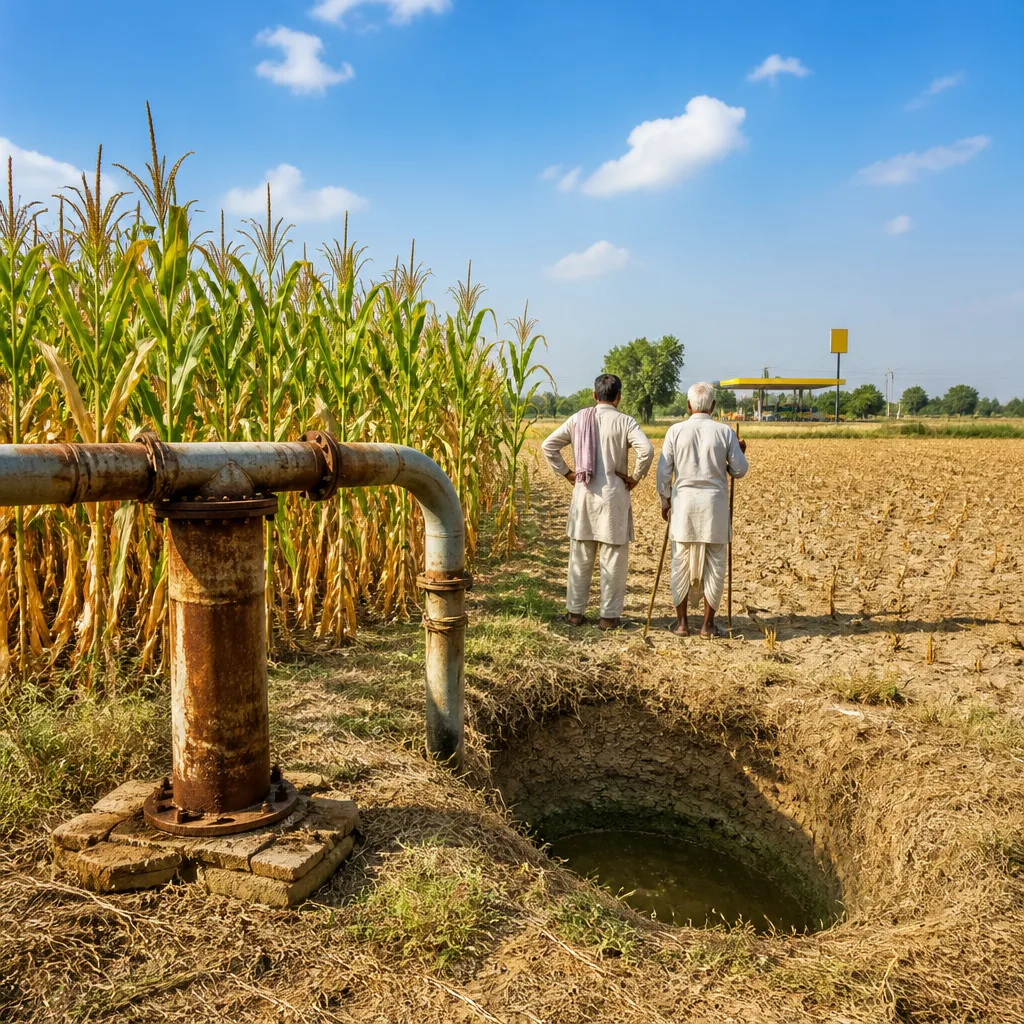
- Groundwater stress: Replacing rice with maize or expanding irrigated area for biofuel crops can increase pressure on aquifers, the group warned.
Policy context and expert recommendations
The government has promoted ethanol blending as a way to reduce crude import dependence, support sugar and rice surpluses, and lower greenhouse‑gas emissions from transport. However, the experts said the scheme needs recalibration to avoid shifting the burden to farmers, consumers and natural resources.
Key recommendations from the panel reported by PTI include:
- Reverting to E10 rather than mandating higher blends until impacts are fully assessed.
- Reviewing pricing so consumers are compensated for any loss of fuel efficiency and increased maintenance costs.
- Assessing land‑use, water and food‑security trade‑offs before expanding feedstock production for ethanol.
| Aspect | E10 (recommended) | Higher blends (current policy) |
|---|---|---|
| Crop incentives | Lower pressure to shift to fuel crops | Stronger incentive to grow maize/sugar for ethanol |
| Consumer impact | Smaller efficiency and maintenance concerns | Higher likelihood of reduced efficiency and increased vehicle wear |
| Resource stress | Less additional groundwater pressure | Potentially greater groundwater and land‑use stress |
The experts also cautioned against directly transplanting models from countries such as Brazil without accounting for India’s higher population density and diverse agro‑ecological conditions. They called for a measured approach that balances energy security and decarbonisation goals with food security and resource sustainability.
Policy makers face the task of reconciling climate and energy targets with on‑the‑ground realities of cropping patterns, water availability and farmer incomes. The experts’ intervention adds to ongoing debates within government and industry about the pace and scale of ethanol blending in India.
Any revision of the blending policy would require coordination across ministries responsible for agriculture, energy, water and rural development, as well as fresh assessment of supply chains for ethanol feedstocks and likely socio‑economic impacts.