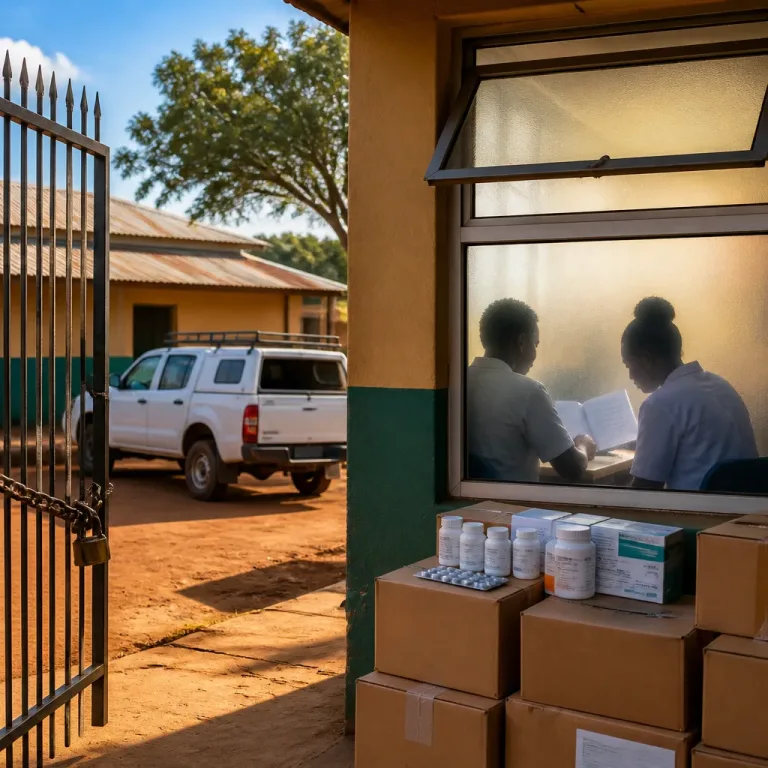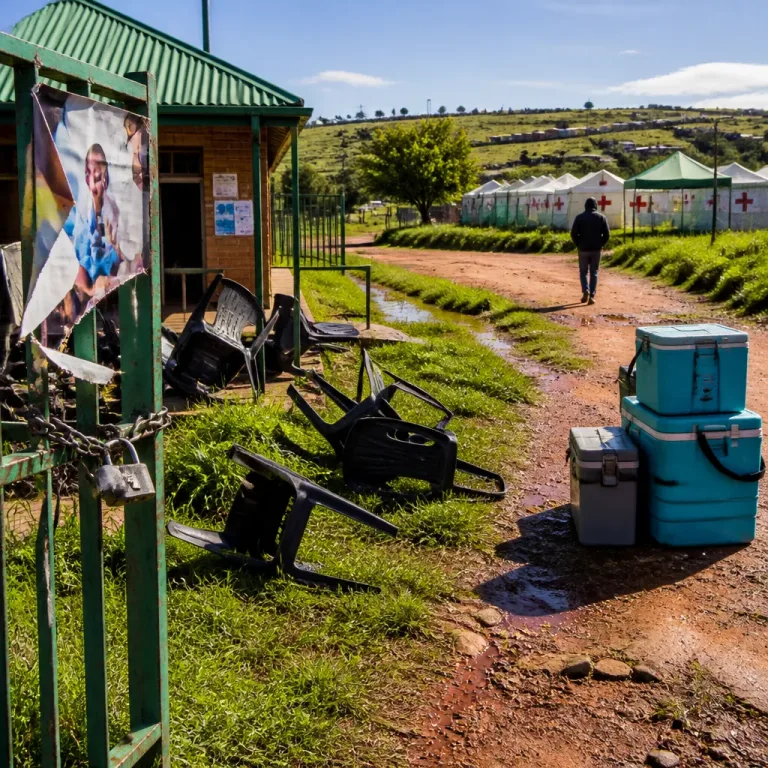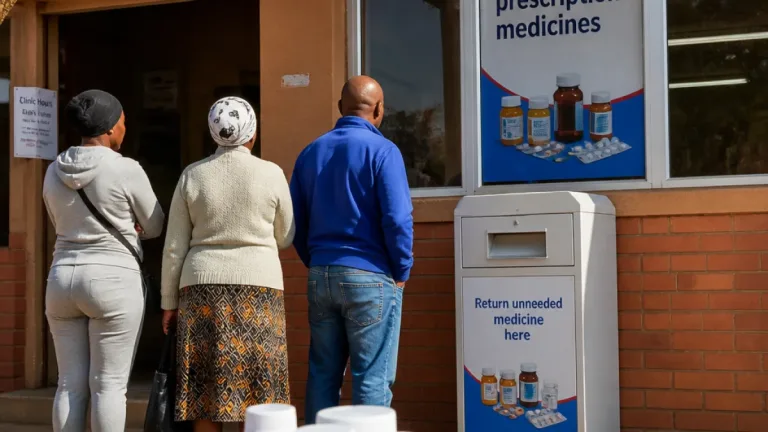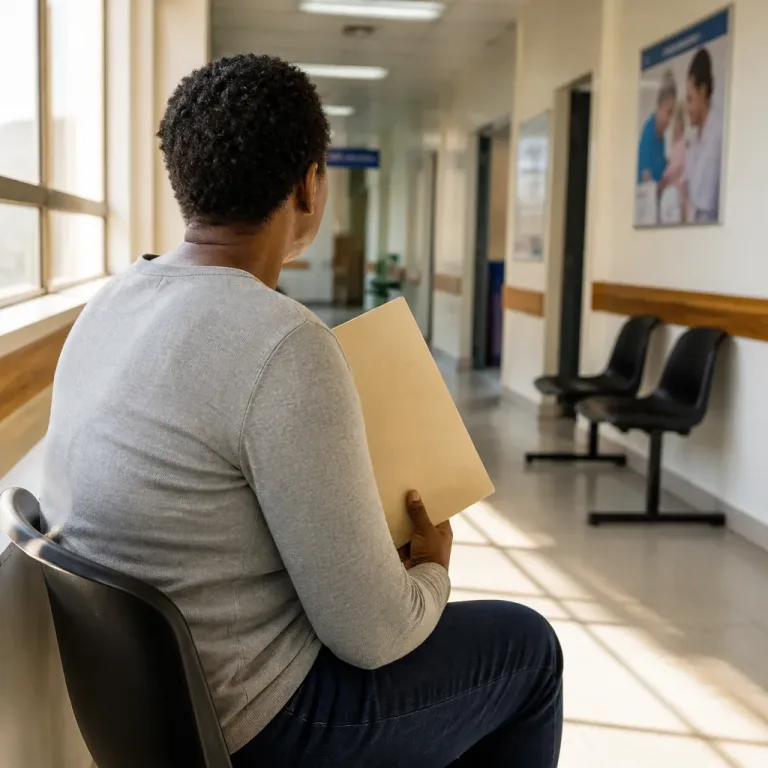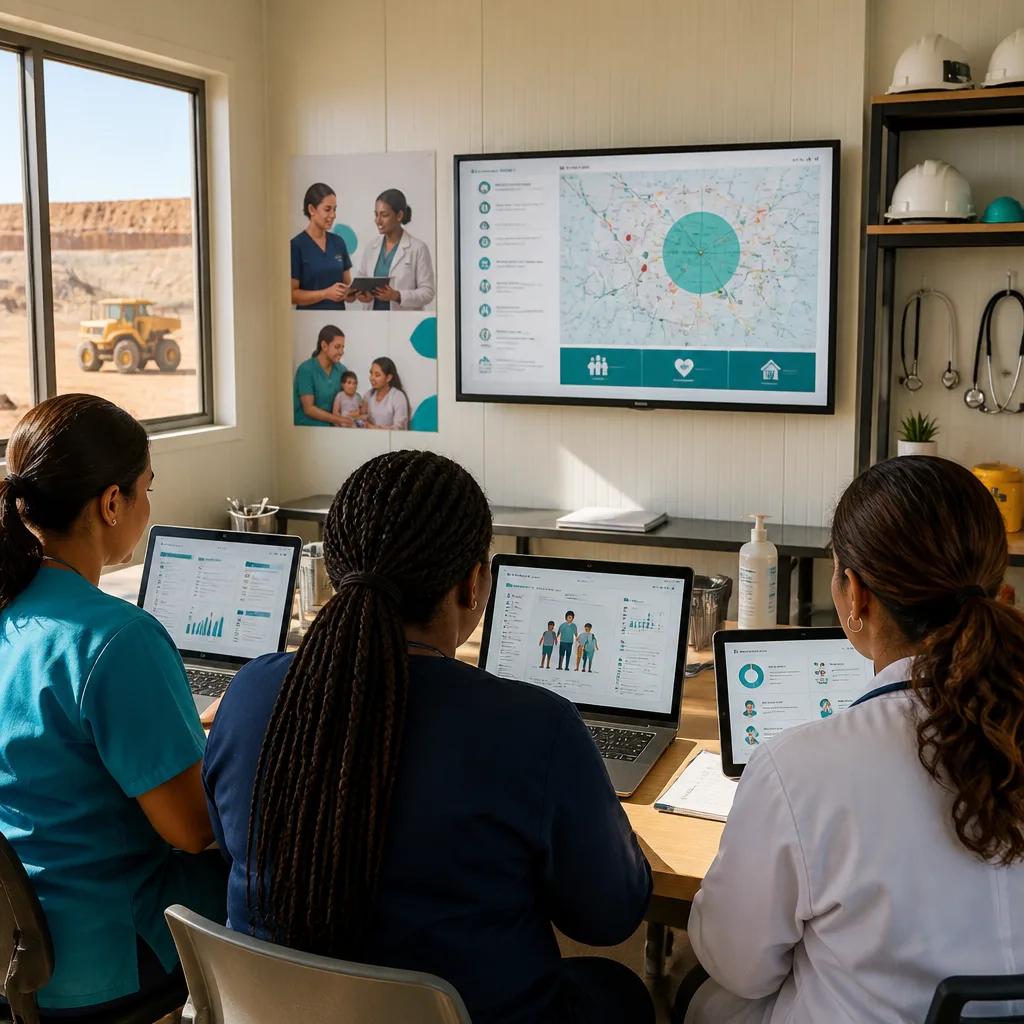
Diversity in leadership and design is reshaping healthcare technology in the mining sector, according to a recent industry article, with women playing a key role in building systems that better serve mineworkers and their families.
Women bring empathy and systems thinking to healthcare innovation
Industry practitioners argue that greater representation of women in technology and healthcare leadership leads to products and services that reflect the needs of diverse communities. The article highlights the work of senior women at a medical scheme serving the mining sector, who link improved health outcomes to inclusive design and leadership.
Palesa Mokoka, an IT project manager with experience across consulting and occupational health environments, described a career trajectory that moved from technical roles into projects with direct social impact. She said early experience in systems integration and consulting revealed how information architecture and delivery influence decision‑making, and drew her to work that affects people’s everyday lives.
“I realised early on that I thrived on those projects that touched people's everyday lives,”
According to the report, Mokoka’s subsequent move into healthcare came from that desire to apply technical skills where they matter most — improving patient care, safety and service delivery in occupational settings such as mining.
Practical effects: access, prevention and better outcomes
The article sets out three areas where diversity and technology intersect to produce measurable benefits for members of medical schemes and healthcare users in mining communities:
- Access: digital systems can extend service reach to workers and dependants in disparate locations;
- Prevention: tailored technology supports preventative care and early intervention for occupational health risks;
- Outcomes: integrated platforms that combine clinical, administrative and member data create continuity of care and informed decision‑making.
Women leaders in the sector emphasise that technology should serve people first. They argue that those who design and implement systems must understand users’ lived realities — from the workplace hazards that mineworkers face to the logistical barriers their families encounter in accessing care.
Encouraging more women into tech, healthcare and mining
Senior managers featured in the piece urged stronger efforts to attract young women into careers that sit at the intersection of technology, healthcare and mining. They cited mentorship, visible role models and targeted skills development as levers to diversify talent pipelines.
One manager with over two decades of experience in service delivery and applications stressed the need for deliberate interventions to ensure that technology teams reflect the populations they design for. The reasoning set out in the article is straightforward: a more representative workforce leads to more thoughtful, person‑centred solutions.
| Challenge | Suggested action |
|---|---|
| Under‑representation of women | Mentorship, targeted recruitment, visible role models |
| Technology detached from user needs | User‑centred design, inclusion of frontline clinicians and patients |
| Limited preventative care uptake | Digital tools for screening, outreach and education |
The article frames this not as abstract advocacy but as practical innovation: women in leadership roles bring both technical competence and empathy that helps bridge the gap between complex systems and the human beings those systems are meant to support.
Implications for policy and practice
For South Africa, where mining remains a significant employer and where occupational health burdens — including silicosis and tuberculosis — are public health priorities, the lessons are relevant. The sector’s health systems and medical schemes can benefit from inclusive design principles, workforce development and stronger alignment between technology and frontline clinical needs.
Readers should note that the observations in this article are drawn from a recent industry piece and profile senior women working in mining healthcare technology. For personal health concerns or occupational exposures, consult a healthcare professional or clinic rather than relying solely on technological tools.
Source: reporting summarised from the industry article.