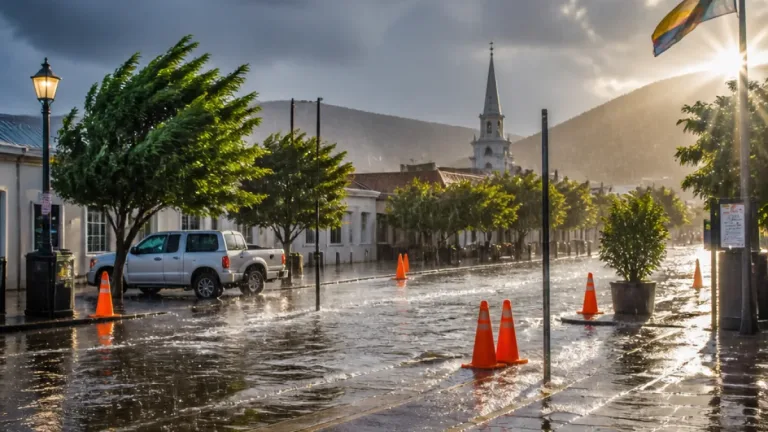
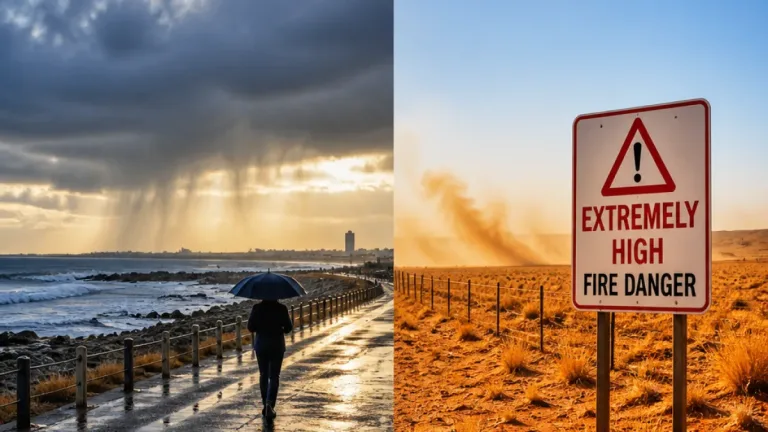
The South African Weather Service (SAWS) has issued impact‑based warnings for parts of the Western Cape, alerting residents and authorities to damaging interior winds and dust storms over the province's northern interior, and strong coastal winds and waves along a long stretch of coastline.
Where the risk is highest
Yellow Level 2 warnings — indicating a moderate to high likelihood of impact — have been issued for damaging interior winds and dust storms over the northern parts of the West Coast District and the Witzenberg Local Municipality. The same level of warning applies in places across the Namakwa District in the Northern Cape. These warnings remain in force until Thursday evening.
"Yellow Level 2 warning for damaging interior winds leading to localised damage to temporary structures and localised reduced visibility due to dust storms over the northern parts of the West Coast District and the Witzenberg Local Municipality... until Thursday evening."
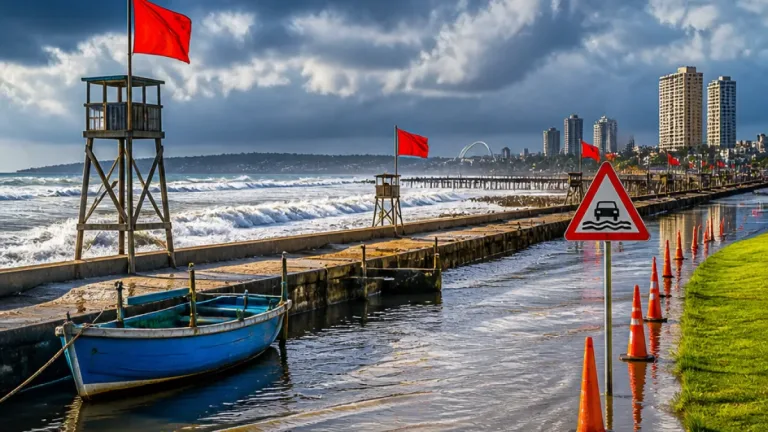
SAWS has also issued a Yellow Level 1 warning for damaging wind and waves between Table Bay and Port Alfred. That warning highlights the potential for:
- localised disruptions to beachfront activities,
- temporary disruption of small harbours and ports, and
- difficult navigation conditions for small boats and vessels.
In SAWS' colour‑coded system, yellow indicates a moderate risk that requires caution and awareness. The service uses a complementary numbering system to indicate likelihood of impact: the higher the number, the greater the chance of weather‑related effects.
Local impacts and practical advice
Damage from strong interior winds often affects temporary structures such as shade nets, marquees and poorly secured signage. Dust storms can significantly reduce visibility on rural roads and highways leading inland from the coast, complicating travel for agricultural traffic and commuter vehicles.
Coastal communities from Table Bay to Port Alfred should prepare for elevated seas and strong onshore winds that may make beachfront areas hazardous and impede small‑craft operations. Small harbours and informal slipways could experience temporary disruption.
- Secure loose items, outdoor furniture and temporary structures.
- Avoid non‑essential travel in areas where visibility is reduced by dust.
- If driving in dust storms, slow down, switch on headlights and pull over if visibility falls below safe limits.
- Small‑boat operators should seek local harbour authority advice before putting to sea.
- Beachgoers and walkers should keep clear of the foreshore while wave action is elevated.
Where this fits into the broader outlook
The brief warning bulletin from SAWS sits within a broader pattern of cold, wet weather affecting much of the country. While Western Cape exposure is concentrated on strong winds and dust in the northern interior and rough coastal conditions along a long stretch of coastline, other provinces were listed with cold, wet conditions in the same SAWS update.
Local government and emergency services in affected municipalities should monitor SAWS updates through the day. Municipalities on the West Coast and in Witzenberg are likely to assess the stability of temporary infrastructure at markets, schools and clinics, and to advise agricultural producers where wind can affect harvesting and stock management.
| Area | Warning | Main impacts |
|---|---|---|
| Northern West Coast District | Yellow Level 2 | Damaging interior winds, dust storms, reduced visibility |
| Witzenberg Local Municipality | Yellow Level 2 | Wind damage to temporary structures, dust |
| Coast: Table Bay to Port Alfred | Yellow Level 1 | Damaging winds and waves; small‑craft navigation difficulties |
SAWS briefs are updated frequently as systems evolve. Residents and visitors in the Western Cape should monitor official channels for any escalation of warnings and follow directions from local authorities and harbourmasters.
For travel planning, motorists travelling inland from coastal areas in the northern West Coast and across the Witzenberg area should allow extra time and exercise caution where visibility is reduced. People with respiratory sensitivities should consider staying indoors during dust events.
Provincial disaster management and municipal emergency centres will be the first point of contact for communities needing assistance with wind or flood damage. Where necessary, contact numbers and shelter information will be communicated by municipal channels.