The World Health Organization has expressed concern that newly announced changes to childhood immunisation policy in the United States do not follow the best available scientific evidence, the WHO director‑general said on 12 August 2026.
WHO stresses evidence and timing matter for childhood vaccines
Tedros Adhanom Ghebreyesus, speaking at a media briefing in Geneva, said decades of research show when children are most vulnerable to infectious diseases, when vaccines offer strongest protection and which combinations of vaccines are safe to give together. He urged that policy decisions rest on rigorous review of the science.
“WHO is concerned that the changes to immunization policy in the US are not aligned with the best science,”
Tedros reiterated the organisation's position on vaccine safety, saying the evidence is clear that vaccines — including the measles, mumps and rubella (MMR) vaccine — are safe and do not cause autism. He warned that postponing vaccinations or breaking apart recommended dose schedules can reduce protection and leave children vulnerable to preventable illness.
What the US order proposes
The change follows a presidential order issued on Monday by US President Donald Trump that establishes new “Gold Standard Childhood Vaccine Recommendations.” According to the text summarised by international reporting, the order:
- divides childhood vaccines into three groups based on recommendation status;
- proposes separate single‑disease vaccine options for MMR when available;
- encourages administering vaccines at separate clinical visits where feasible to increase parental choice.
Reporters were told the presidential order groups immunisations as follows:
| Category | Description |
|---|---|
| Recommended for all children | Universal childhood immunisations advised for the whole population |
| Advised for high‑risk groups | Vaccines targeted to specific clinical or epidemiological risk groups |
| Shared clinical decision‑making | Vaccines given when clinician and caregiver jointly decide they are appropriate |
WHO cautions against politicising immunisation policy
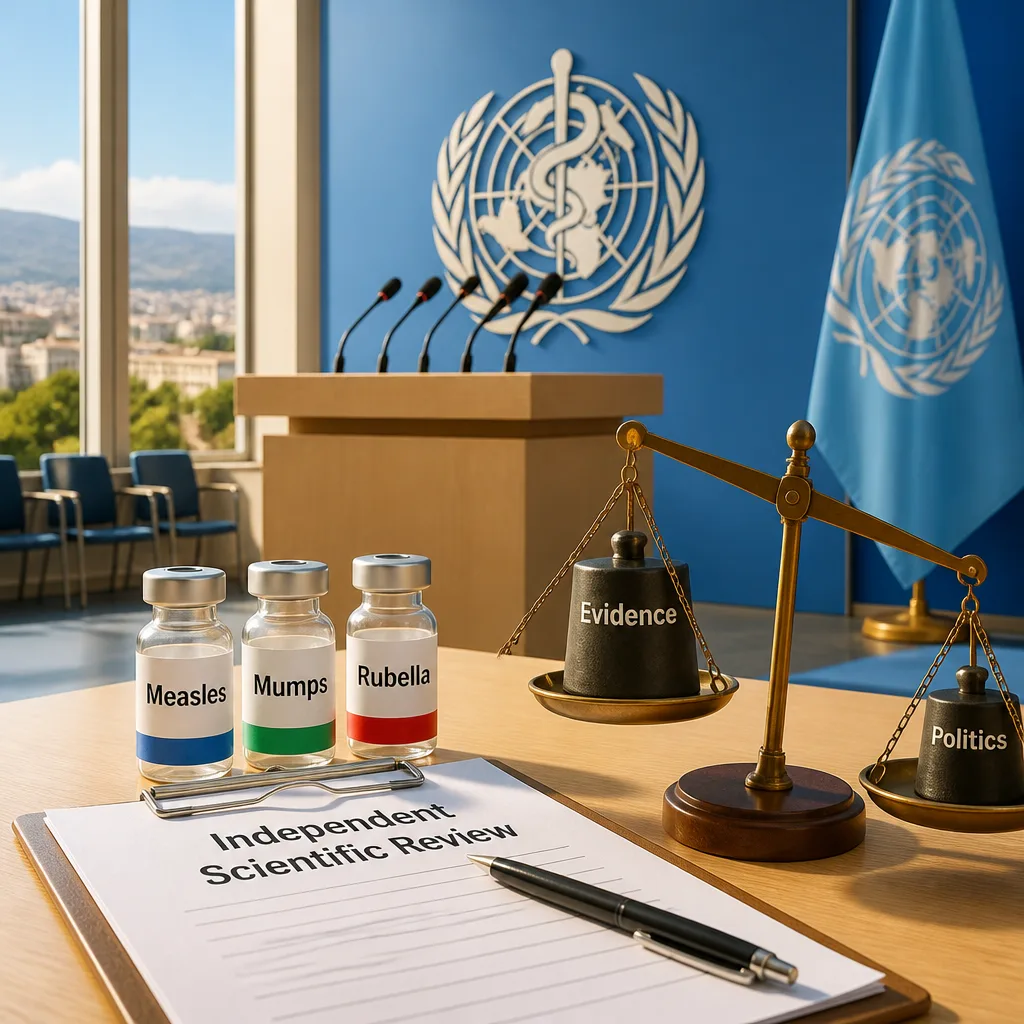
Tedros said vaccine policy should be formed through "rigorous, independent and transparent" assessment as new data become available and should not be driven by political influence. He also cautioned that moving shots or separating combination vaccines will not increase safety but may reduce effectiveness and coverage.
The WHO director‑general's comments underline longstanding public‑health principles: the timing of doses and the combinations used in childhood schedules are based on evidence about immune response, safety and the need to protect infants and young children at their most vulnerable ages.
Implications for public health messaging
The WHO statement arrives amid ongoing global concern about vaccine confidence. Clear, consistent guidance that explains why schedules are set the way they are helps maintain trust. Splitting combination vaccines into separate visits could increase the number of clinic attendances families must make and may lower completion rates for the full schedule — factors that can influence disease control.
For South African health authorities and clinicians, the debate underscores the importance of basing immunisation guidance on independent scientific review and monitoring the practical effects of any changes on vaccine uptake, timeliness and disease incidence.
At a basic level: policy should protect the period when children face the highest risk and ensure they receive full, timely protection. Any shift that increases missed or delayed doses may increase the number of susceptible children and the risk of outbreaks of vaccine‑preventable diseases.