
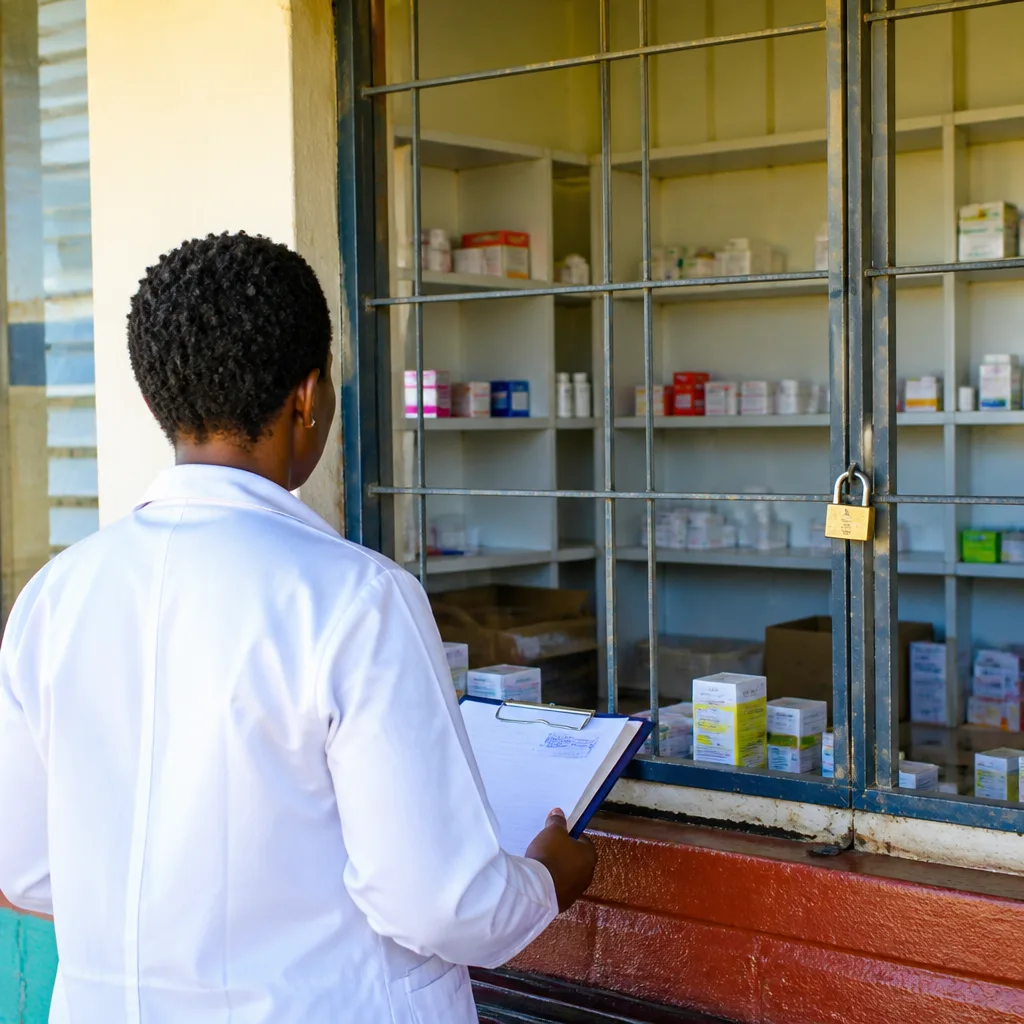
The United States will end funding at the end of September for Zimbabwe’s health programmes after negotiations collapsed over a proposed agreement that Zimbabwe rejected because it required sharing sensitive health data, the US Embassy said on 25 September.
Scope of support at risk
For decades the United States has been Zimbabwe’s largest bilateral health donor. US assistance has underpinned a wide range of public‑health activities — from antiretroviral treatment and HIV prevention to tuberculosis and malaria control — as well as clinical care, laboratory strengthening, health worker support, medical supplies and community‑based initiatives.
The Embassy’s announcement did not set out a schedule for winding down individual projects, nor did it specify financial amounts. It said the cessation follows the breakdown of talks in which the United States proposed terms that included a data‑sharing clause. Zimbabwean officials rejected the clause on grounds that it would require sensitive health information to be transmitted under conditions they found unacceptable.
Government response and questions about absorption of costs
Zimbabwean leaders have publicly noted a general decline in international assistance and signalled an intention to prioritise raising funds domestically. However, some health advocates have warned that the government’s capacity to absorb the costs is uncertain, given ongoing fiscal pressures.
- Programmes affected: HIV prevention and treatment, tuberculosis (TB) programmes, malaria control, clinical care and laboratory services.
- Support elements at risk: training and salaries for health workers, provision of medical supplies, funding for community‑level activities and systems strengthening.
- Timeline: Funding will end at the end of September, according to the US Embassy statement dated 25 September.
| Area | Type of US support |
|---|---|
| HIV | Prevention, antiretroviral treatment, community programmes |
| Tuberculosis | Treatment programmes and diagnostics |
| Malaria | Control and prevention activities |
| Health systems | Clinical care, laboratory systems, training, supplies |
Regional and public‑health implications
Interruptions to funding on the scale signalled by the Embassy could have ripple effects for disease control and service delivery in Zimbabwe. International donors often finance both commodities — such as antiretrovirals and diagnostics — and the human resources needed to deliver them. The loss or discontinuity of that support can strain clinics, interrupt treatment continuity for patients and reduce the capacity of laboratories to perform timely diagnostics.
Health advocates cautioned that even if the Zimbabwean government attempts to replace the shortfall domestically, the fiscal constraints it faces may limit how quickly and fully those services can be restored. The Embassy statement and subsequent reporting did not quantify the gap or identify short‑term contingency arrangements for programmes that rely on foreign assistance.
Public‑health specialists emphasise that sustained funding and uninterrupted supply chains are central to preventing drug resistance, maintaining viral suppression among people living with HIV, and keeping TB treatment programmes effective.
Until now, a combination of international donors — with the United States as the largest bilateral contributor — has underpinned many of those gains. The end of US funding therefore raises urgent questions about how services will be maintained in the coming months and whether other international partners or multilateral institutions will step in.
People who rely on treatment or preventive services should continue to access care at clinics and community centres and consult health professionals about ongoing regimens rather than discontinue medications without clinical advice.
Further developments are likely as Zimbabwe and the United States weigh next steps. The situation merits close monitoring because of its potential to affect disease control within Zimbabwe and the wider southern African region.











