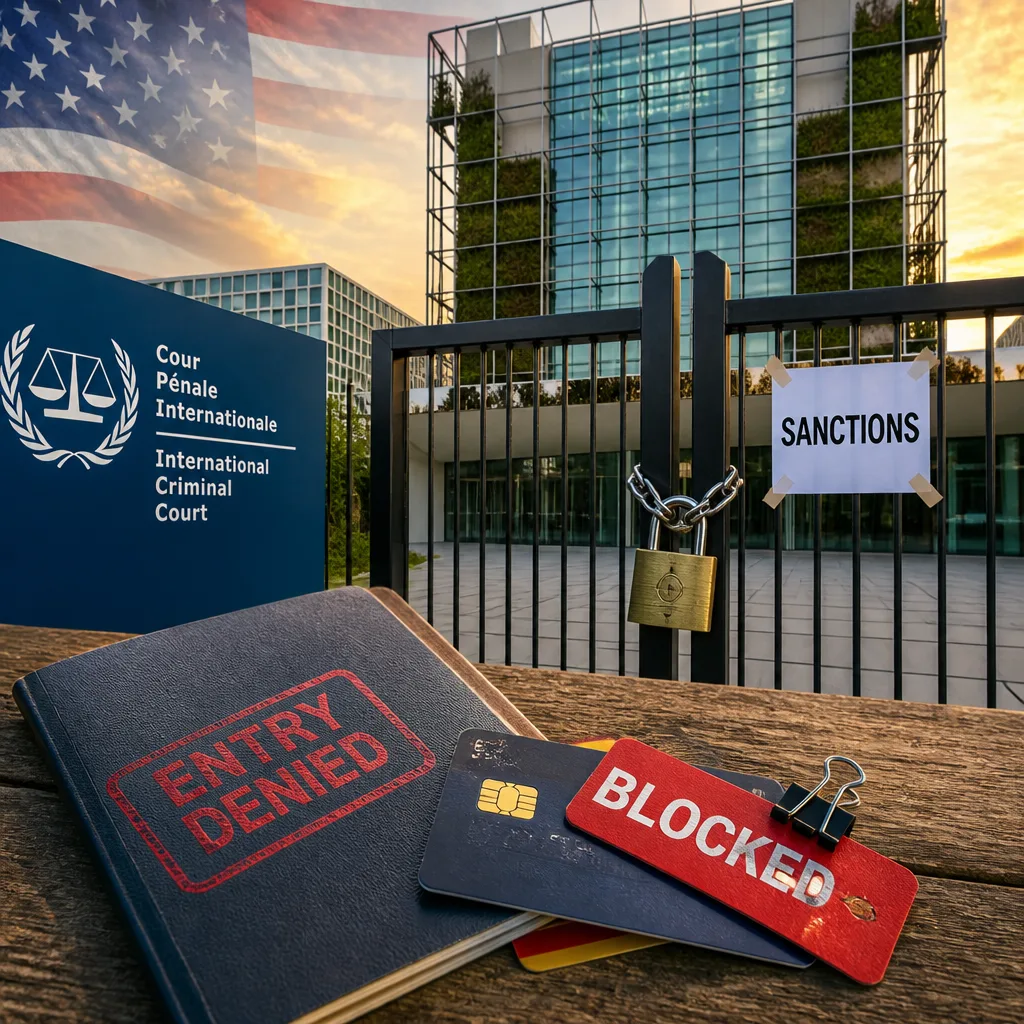
The United States on Tuesday imposed sanctions on International Criminal Court (ICC) President Tomoko Akane and Senegalese trial lawyer Abdoulaye Seye, measures that bar them from entering the United States and from conducting transactions within the US financial system, according to reporting on 21 August 2026.
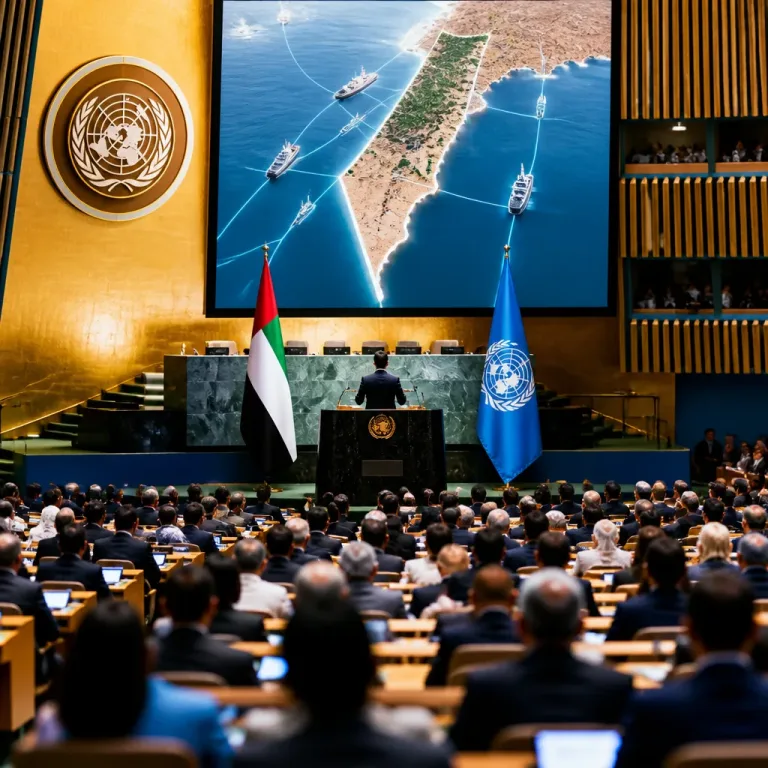
The move, part of what the US administration described as a campaign against a “corrupt and fatally politicised” court, prompted an unusually sharp response from the ICC and drew international expressions of concern. The court called the measures a “flagrant attack” on its independence, and the United Nations high commissioner for human rights, Volker Türk, together with senior European Union officials, voiced support for the institution and its leadership.
"The sanction against me this time was something I had anticipated to an extent, so I'm not surprised. The important thing is not to let this be the beginning of the demise of international rule of law."
The comment, released on the social media platform X by Akane’s publisher Bungei Shunju, was her first public reaction since the sanctions were announced. Japan’s foreign ministry registered its objection to the measures, underscoring Tokyo’s stated consistent support for the ICC. The ministry noted Japan’s role as a major funder of the court.
What the sanctions do
According to the reporting, the restrictions imposed by Washington:
- prohibit Akane and Seye from entering the United States;
- block their ability to carry out transactions in the US financial system.
| Sanctioned individuals | Primary restrictions |
|---|---|
| Tomoko Akane (ICC President) | Entry ban to US; barred from transactions in US financial system |
| Abdoulaye Seye (trial lawyer) | Entry ban to US; barred from transactions in US financial system |
Washington previously targeted other ICC officials in measures widely interpreted as a response to the court’s investigations involving Israel, a close US ally. The latest action is presented by the US administration as part of a broader campaign targeting the court’s leadership.
International reactions and context
The ICC, established in 2002 to prosecute individuals accused of the gravest crimes when national systems are unwilling or unable to act, viewed the sanctions as an unprecedented challenge to its independence. Senior international figures quickly expressed concern that the measures could undermine the institution’s capacity to function effectively.
Japan, which the reporting describes as the court’s largest funder, protested the sanctioning of Akane. The foreign ministry said Tokyo had consistently supported the ICC “in its efforts to prosecute and punish the most serious crimes of concern to the international community and to uphold the rule of law”.
European Union officials and the UN rights chief publicly backed the court and its leadership, signalling diplomatic friction between the United States and several of its partners over the move. The sanctions add to growing tensions about how accountability mechanisms operate when investigations implicate or concern states allied with powerful actors.
While US officials framed the measures as targeting perceived corruption and politicisation within the court, critics warn they risk eroding the neutrality and effectiveness of international criminal justice. Supporters of the ICC argue that such pressure could deter the court from pursuing investigations and prosecutions in politically sensitive contexts.
For South Africa and other states that engage with the ICC, the development raises questions about the future relationship between national justice systems and the court, and about how global accountability mechanisms will navigate the shifting terrain of geopolitics and diplomacy.
The situation remains fluid. Further diplomatic statements and possible follow-up measures from Washington and other capitals are likely to shape the capacity of the ICC to pursue its mandate in coming months.