
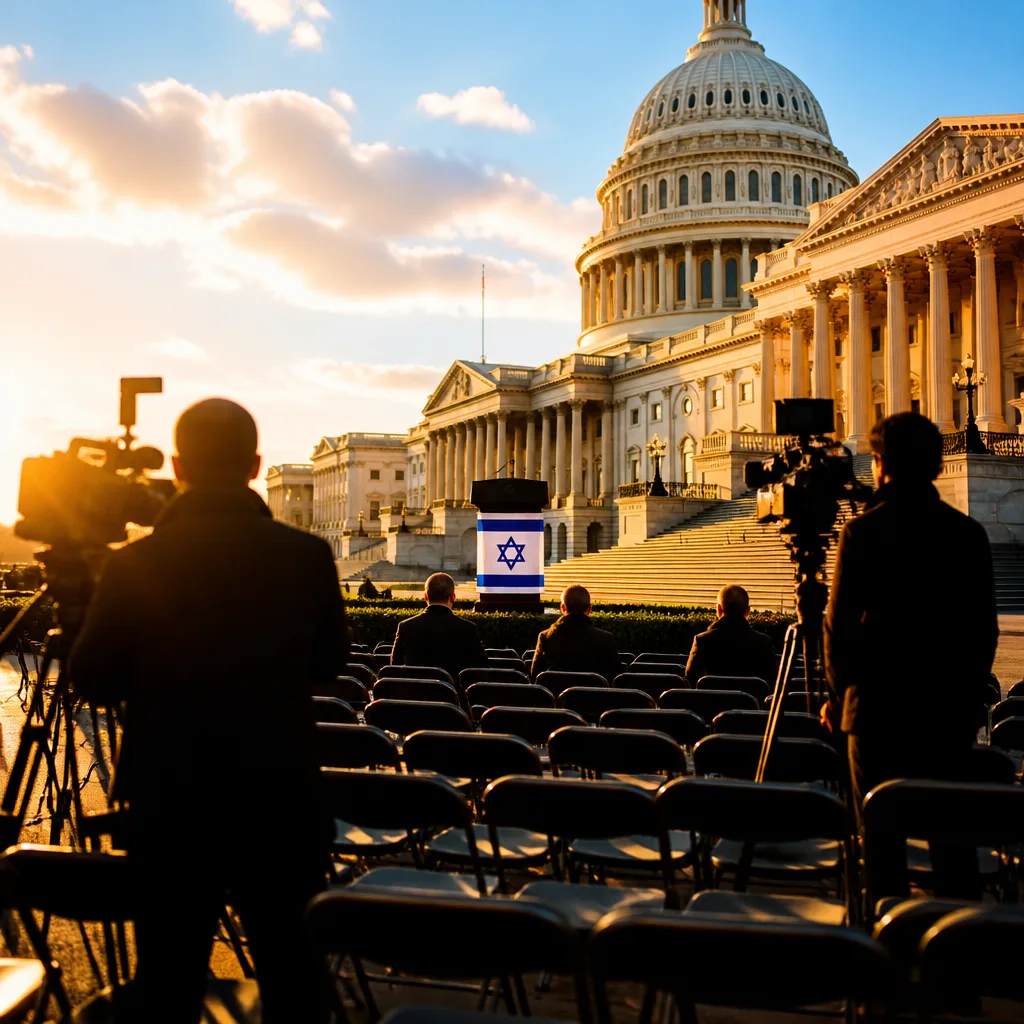
When Israeli Prime Minister Benjamin Netanyahu travelled to Washington on 29 July for a memorial service for US Senator Lindsey Graham, his reception was notably muted. The visit, reported by the original analysis, illustrated what is increasingly plain to observers inside and outside Israel: the United States is less reflexively protective of Israeli policy than it once was.
Changing fortunes in US politics
The analysis points to a cluster of political developments that together have eroded the automatic bipartisan shield Israel historically enjoyed in Washington. These include electoral upsets in US primaries that have elevated candidates who would previously have been marginal on questions of US aid to Israel, and the rise of progressive Democrats who have challenged well-funded incumbents backed by the American Israel Public Affairs Committee, better known as AIPAC.
One high-profile example cited is the campaign of Abdul El‑Sayed, who defeated an opponent with a larger war chest that benefited from AIPAC-related support. The wider picture, according to the reporting, is one of congressional politics reshaping how Israel is debated in the United States.
"The country is no longer immune from criticism," the analysis said, describing the broader change in political sentiment.
From Senate floor to Tel Aviv university
Senior congressional figures have also signalled a departure from unqualified support. Senate Minority Leader Chuck Schumer publicly rebuked Mr Netanyahu on the Senate floor in March 2024, urging Israeli voters to choose a different government. Former White House chief of staff and former Chicago mayor Rahm Emanuel visited Tel Aviv University in July and made sharp remarks about Mr Netanyahu’s international standing, the reporting added.
Those public rebukes are notable because they come from established players who have long been counted among Israel’s staunchest US allies. Their criticism reflects both a change in elite opinion and a response to shifting voter sentiment in key Democratic constituencies.
- Electoral pressure: Primary victories by candidates outside the traditional pro-Israel establishment have normalised critique of Israeli government policy.
- Elite signalling: Prominent Democrats have publicly criticised Netanyahu, a departure from past restraint.
- Funding dynamics: AIPAC’s influence is being tested as money and endorsements no longer guarantee political outcomes.
Consequences for policy and diplomacy
What this means in practice is uncertain but consequential. Congressional resistance to an automatic, bipartisan consensus on Israeli policy could translate into:
- tighter scrutiny of US military and financial assistance;
- greater public debate over conditionality and oversight of aid;
- heightened diplomatic pressure on Israeli leaders from traditionally friendly quarters.
For Israel, the practical outcome is a harder diplomatic environment in which messaging and coalition‑building in Washington matter more than before. For US politicians, the shift reflects internal party realignments and changing voter priorities that now include human rights, accountability and a recalibration of foreign policy commitments.
| Event | Date |
|---|---|
| Netanyahu’s visit to Washington | 29 July |
| Schumer’s rebuke on Senate floor | March 2024 |
| Rahm Emanuel’s remarks at Tel Aviv University | July |
The original piece argues that these developments are not isolated: they form part of a broader political realignment in the United States. Whether this will produce durable policy change or a temporary correction after specific political cycles remains to be seen. What is clear is that the automatic assumption of immunity from criticism is itself gone — and both Israeli and US leaders will have to account for that in coming months.












