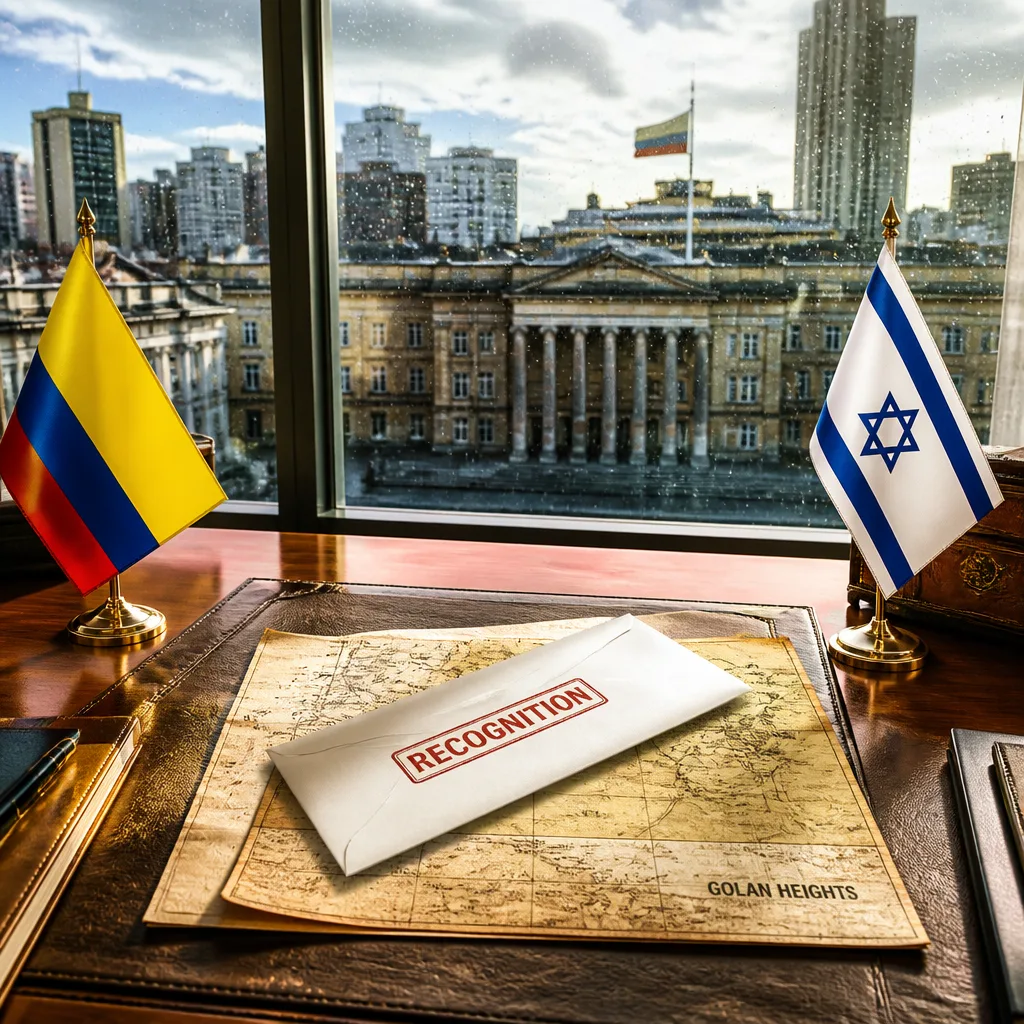
Bogotá’s new government announced on 10 August that it recognises Israeli sovereignty over the occupied Syrian Golan, a move that departs from international law as expressed in UN resolutions and marks a sharp reversal of Colombia’s recent foreign policy.
Diplomatic U-turn and its context
The decision, announced days after President Abelardo de la Espriella took office on 7 August, was framed by Colombia’s Foreign Ministry as being made "in implementation of a commitment agreed with Israel two days earlier." The shift signals a broader realignment towards closer relations with Israel after the previous government under President Gustavo Petro had consistently treated the Golan as part of Syrian territory.
Until the end of 2025, Colombia voted at the United Nations in favour of resolutions that affirm the Golan as occupied Syrian territory. On 31 March 2026 the country also voted in favour of a UN Human Rights Council resolution referring to the area as the "occupied Syrian Golan." Those votes underscore how abrupt the change in Bogotá’s posture is.
Reaction and accusations from the former president
Gustavo Petro, who left office in early August, publicly reaffirmed that the Golan is Syrian territory and said Israel has no sovereignty over it. In a post on X he criticised the decision and additionally alleged foreign interference during Colombia’s election campaign.
Petro said Colombians, like most of the international community, do not regard the Golan as Israeli territory, but as part of Syria. He also accused Israel of using its technology to influence Colombia’s elections and said he believed the new president had not won a majority of Colombian votes.
Petro also issued an apology to Arab and Muslim countries, emphasising Colombians’ respect for them. His statements underline the domestic polarisation over foreign policy that accompanied the change of government.
What the announcement means legally and politically
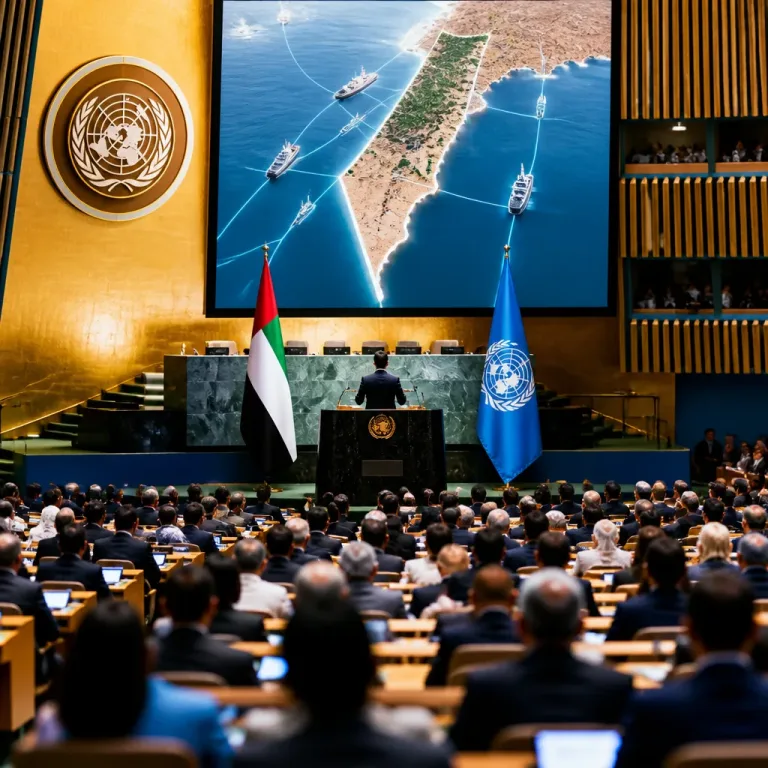
The declaration by Bogotá does not alter the legal status of the Golan under international law, which regards the territory as occupied Syrian land. However, it is significant politically because it represents a departure from the consensus position held by most states and from Colombia’s own recent voting pattern at the UN.
Analysts and diplomats typically view such recognitions as signalling a closer bilateral alignment with Israel and a willingness to break with established multilateral positions. In this case, Colombia’s Foreign Ministry tied the move to commitments reached in contacts with Israeli officials in the run-up to the new administration taking office.
Immediate diplomatic implications
The shift could affect Colombia’s relations with Arab and Muslim-majority states, which generally support UN positions on the Golan. It may also influence Colombia’s role and credibility in multilateral forums where the status of occupied territories is debated.
Key facts from the reporting:
- Announcement date by Colombia’s Foreign Ministry: 10 August 2026.
- New president Abelardo de la Espriella took office on 7 August 2026.
- Colombia had supported UN resolutions treating the Golan as occupied Syrian territory until the end of 2025 and backed a 31 March 2026 UN Human Rights Council text to that effect.
| Event | Date |
|---|---|
| De la Espriella takes office | 7 August 2026 |
| Foreign Ministry announcement recognising Israeli sovereignty | 10 August 2026 |
| Colombia voted for HRC resolution calling it the "occupied Syrian Golan" | 31 March 2026 |
The Colombian statement also referenced preparatory contacts with Israeli officials, including a meeting between the incoming government’s foreign minister and Israel’s foreign minister prior to the inauguration, as part of the process that led to the decision.
For South African readers, the case is a reminder of how quickly bilateral commitments made during election campaigns and early transition contacts can reshape a country’s international posture. It also highlights the tension between bilateral diplomatic moves and prevailing multilateral legal norms, particularly concerning occupied territories and UN determinations.
The long-term effects of Bogotá’s decision will depend on follow-up measures, reciprocal diplomatic steps with Israel, and reactions from states and organisations that have consistently upheld the UN position on the Golan. For now, the announcement stands as a clear marker of the new administration’s foreign-policy direction.