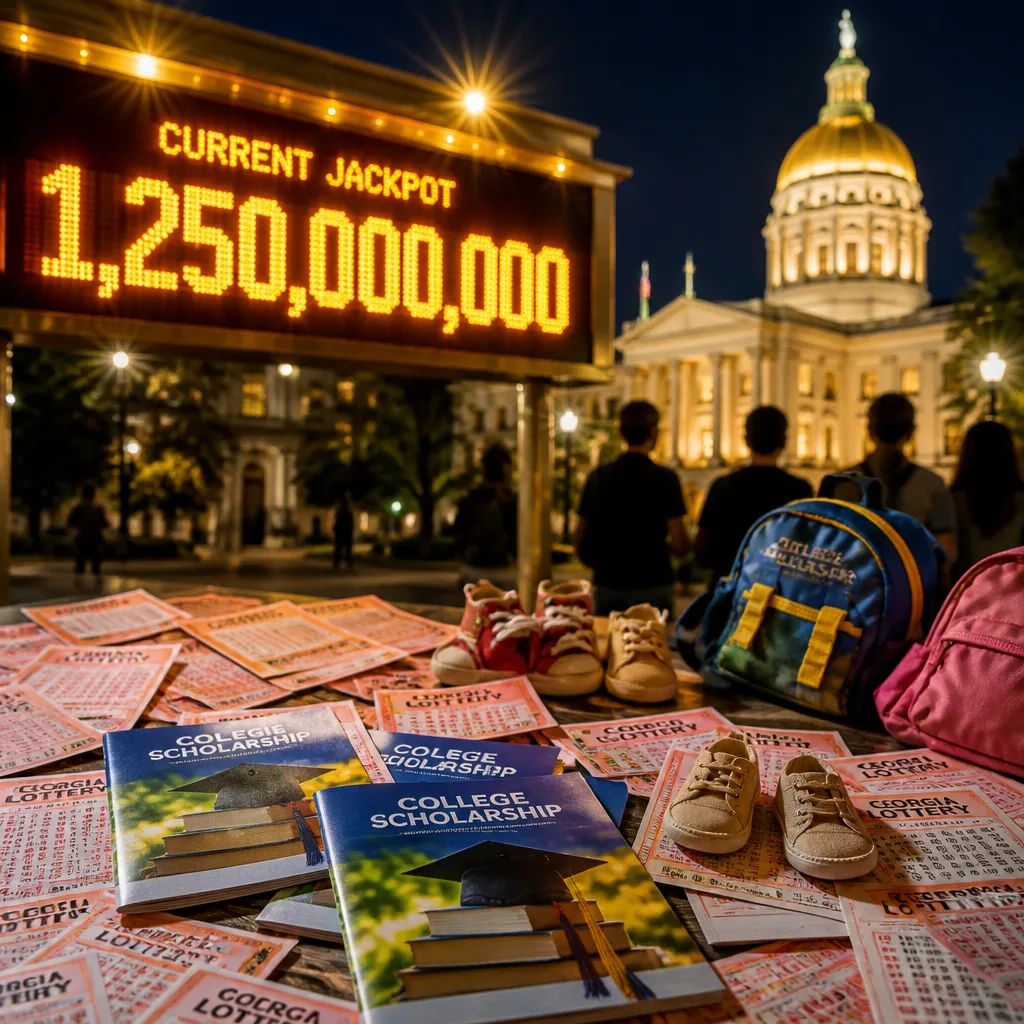
The Powerball jackpot ahead of Wednesday night’s drawing has climbed past US$1 billion, the eighth‑largest prize in the lottery’s history, at the same time as the Georgia Lottery Corporation reported it raised US$1.54 billion for state education programmes in 2025 — the 11th consecutive year the agency has exceeded the US$1 billion mark.
Lottery proceeds and education: scale and reach
The Georgia Lottery Corporation said the funds are channelled into post‑secondary and early childhood education through programmes such as the HOPE and Zell Miller scholarships and statewide pre‑kindergarten. The corporation reported that it has returned more than US$31 billion to the state for education since the lottery’s inception.
“We are currently at 2.3 million HOPE scholars and 2.3 million pre‑k students,” said Gretchen Corbin, president and CEO of the Georgia Lottery Corporation, according to the reporting.
The current jackpot — which had already surpassed US$1 billion before the drawing — sits well below the Powerball record of US$2.04 billion but remains among the largest in the game’s history. The story includes local reaction: Anthony Dixon, a pastor with Word Alive Ministries, said he would donate a large share to his church if he won.
What the figures mean in practice
Lottery funding in Georgia is explicitly directed to education line items. That model has produced consistent, sizable annual infusions for scholarships and early education; the corporation’s most recent report marks a continuation of that trend. For parents, learners and educators, such funds help cover tuition support and expand access to early childhood programmes that can improve school readiness.
However, lottery funding is inherently variable: jackpots fluctuate and so do ticket sales, meaning the stream can grow quickly in high‑jackpot years and contract at other times. Policymakers and education planners must therefore treat lottery receipts as a supplement to, not a replacement for, baseline public funding.
- Reported 2025 education returns: US$1.54 billion
- Lifetime return to education (reported): US$31 billion
- Current Powerball jackpot (at time of report): more than US$1 billion (8th largest)
Numbers at a glance
| Item | Reported amount |
|---|---|
| 2025 funds raised for education | US$1.54 billion |
| Lifetime funds returned to Georgia education | US$31 billion |
| Current Powerball jackpot (reported) | US$1 billion+ (8th largest) |
| Largest Powerball jackpot on record | US$2.04 billion |
These numbers speak to the scale of lottery contributions to education in Georgia, but they also raise practical questions for education officials and families elsewhere who look to lotteries as a funding mechanism. Relying on variable revenue to support recurring costs such as teacher salaries, building maintenance or long‑term programme commitments can create uncertainty.
For educators and parents, the key policy considerations include ensuring that lottery proceeds are used to expand access and outcomes, not to create dependency for essential services; that governance and transparency around allocations remain strong; and that measures are in place to stabilise funding for critical, recurring needs.
The reporting, which includes comments from the Georgia Lottery Corporation’s CEO and a local pastor, underscores the visibility of lottery funding in the broader conversation about how societies finance education, from early childhood to tertiary support. While the headline—another blockbuster jackpot—captures public attention, the routine flow of annual lottery revenues into education programmes is what sustains scholarships and pre‑K places for millions of learners.