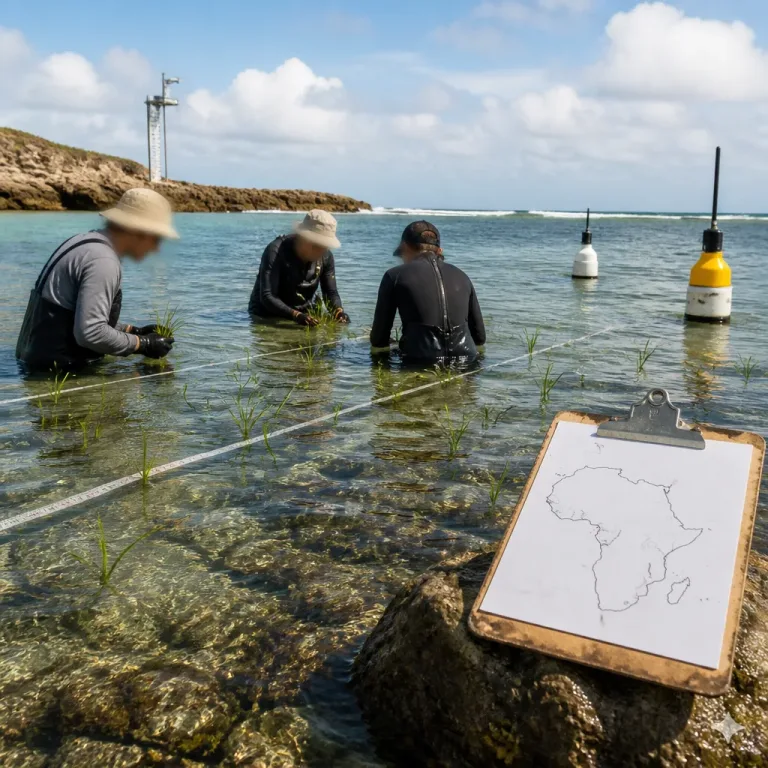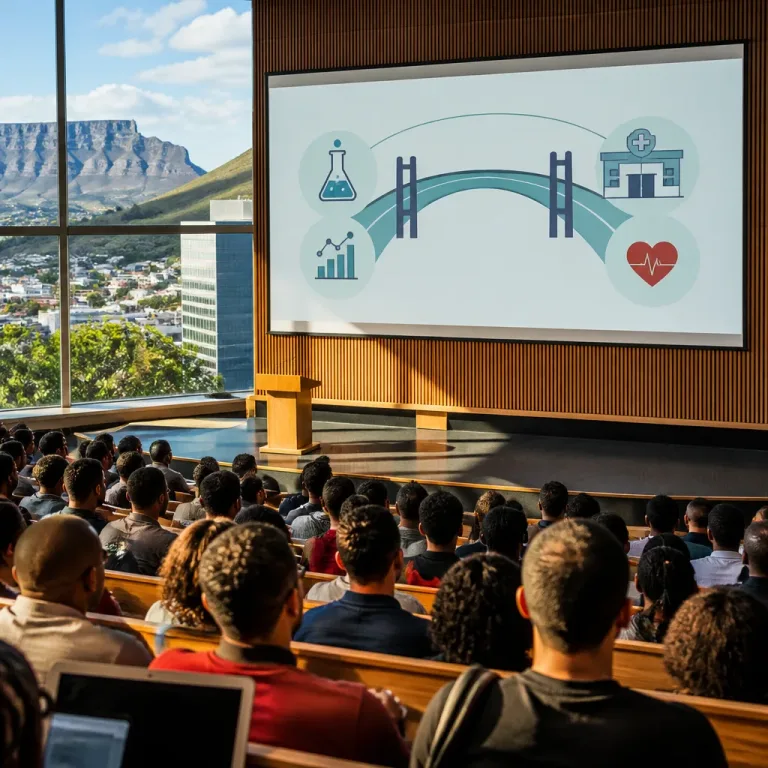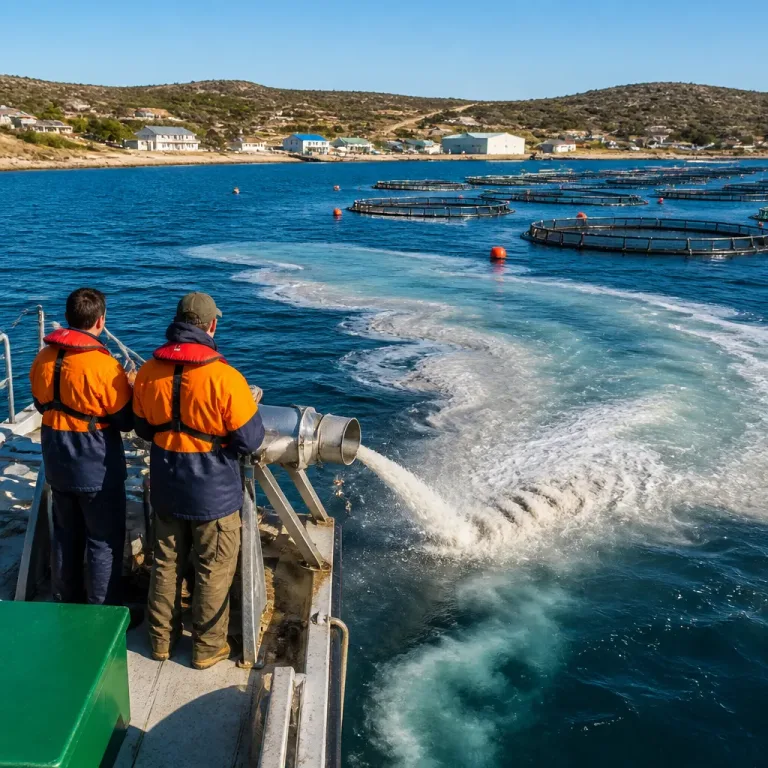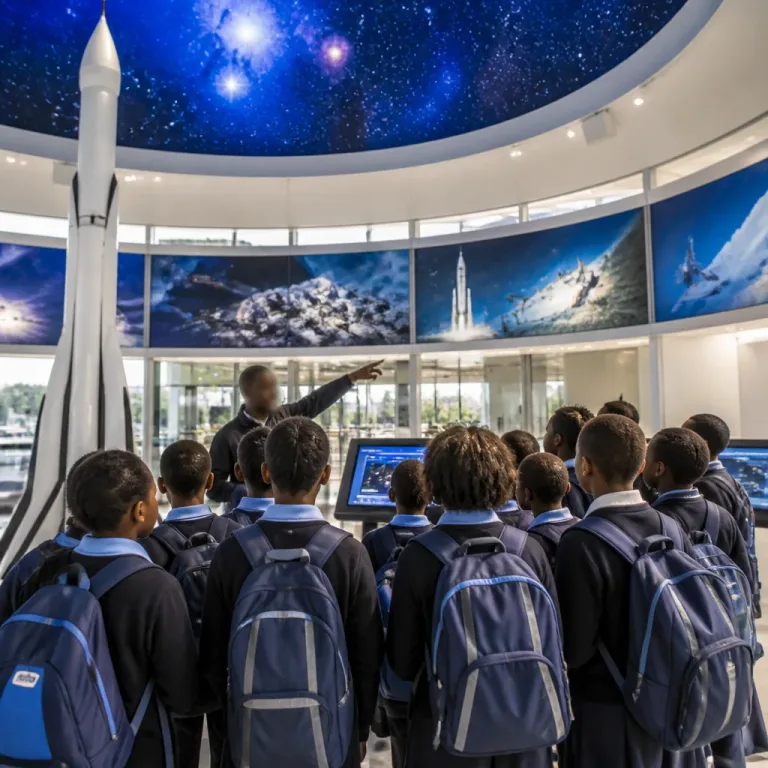
The University of Wollongong (UOW) hosted the official New South Wales launch of National Science Week on 11 August, inaugurating a 10-day programme of public events that will showcase the research, innovation and community partnerships shaping the Illawarra and the South Coast.
What the launch covered
National Science Week runs nationally from 15–23 August, but UOW’s programme opened at UOW Science Space on 11 August and extends across the region from 11–22 August. The university said the events will span topics from medical innovation and climate science to astronomy and the natural environment, bringing together researchers, students, industry and the public.
UOW Vice‑Chancellor and President Professor G.Q. Max Lu AO described the week as an opportunity to link research with communities and future industries. He said science “has the power to change the way we understand our world and solve some of its biggest challenges.”
“Science has the power to change the way we understand our world and solve some of its biggest challenges,” Professor G.Q. Max Lu AO said.
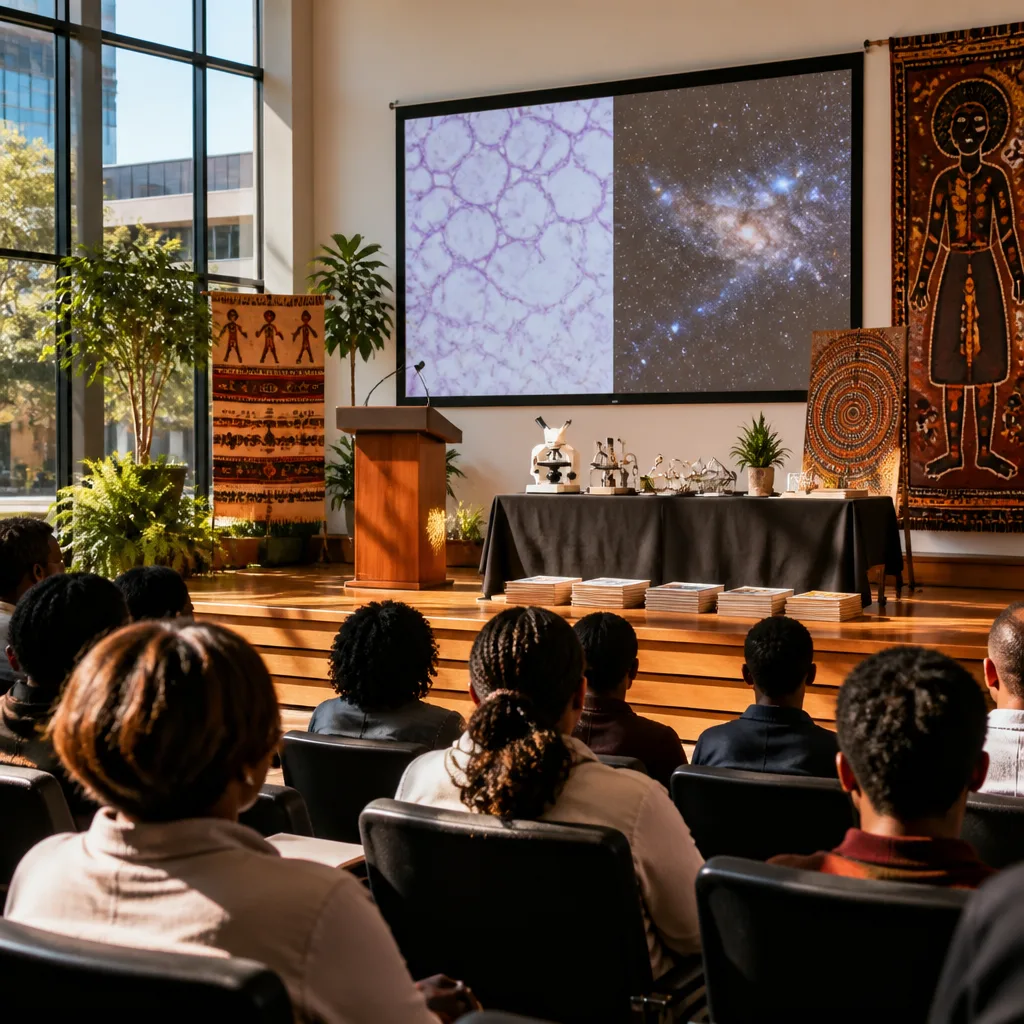
NSW Minister for Planning and Public Spaces and Member for Wollongong, the Hon Paul Scully MP, officially launched the NSW programme at the event titled Science & Country. He said the Illawarra is home to exciting research and innovation and that the launch offered a chance to showcase talent and ideas driving the region’s future.
Focus on Indigenous knowledge and community engagement
The launch featured a panel discussion that examined how Indigenous ways of knowing and Western research practices can be combined to improve scientific understanding of the natural world. The panel included leading UOW researchers and was coordinated in part by Associate Professor Theresa Larkin from the Graduate School of Medicine, who also coordinates UOW’s Science Week programme.
UOW said the programme aims to take its research into the community and to highlight the practical and societal impacts of university-led science. The emphasis on integrating Indigenous knowledge with conventional research reflects a growing interest in plural and locally embedded approaches to scientific questions.
Programme snapshot
- Official NSW launch at UOW Science Space on 11 August.
- UOW-hosted events across the South Coast from 11–22 August.
- National Science Week runs 15–23 August nationally.
- Events cover medical innovation, climate science, astronomy, environment and community engagement.
| Date | Event |
|---|---|
| 11 August | UOW NSW launch — Science & Country at UOW Science Space |
| 11–22 August | UOW programme across Illawarra and South Coast |
| 15–23 August | National Science Week (Australia) |
Organisers — including Inspiring Australia NSW, which hosted the launch — framed the week as an opportunity to connect researchers with the public and to demonstrate how university research can have local and regional impact.
While the launch concentrated on the Illawarra region, the themes of community engagement, cross‑cultural knowledge exchange and the practical application of research have broader relevance for how universities and research institutions present science to the public. The UOW programme is one example of how academic institutions are using public events to translate research into accessible formats and to invite local communities into conversations about science and policy.
As National Science Week proceeds nationally, the UOW events will provide a local lens on larger debates about research priorities, knowledge systems and how scientific insight is communicated beyond academia.