Prime Minister Andy Burnham has unveiled plans to ban misleading discounting practices and to accelerate new rules on subscription services as part of a package aimed at easing household budgets. The government says the moves will deliver about £400 million a year in benefits to consumers.
What the measures cover
The announced measures focus on two broad areas retailers and service providers use to influence perceived value:
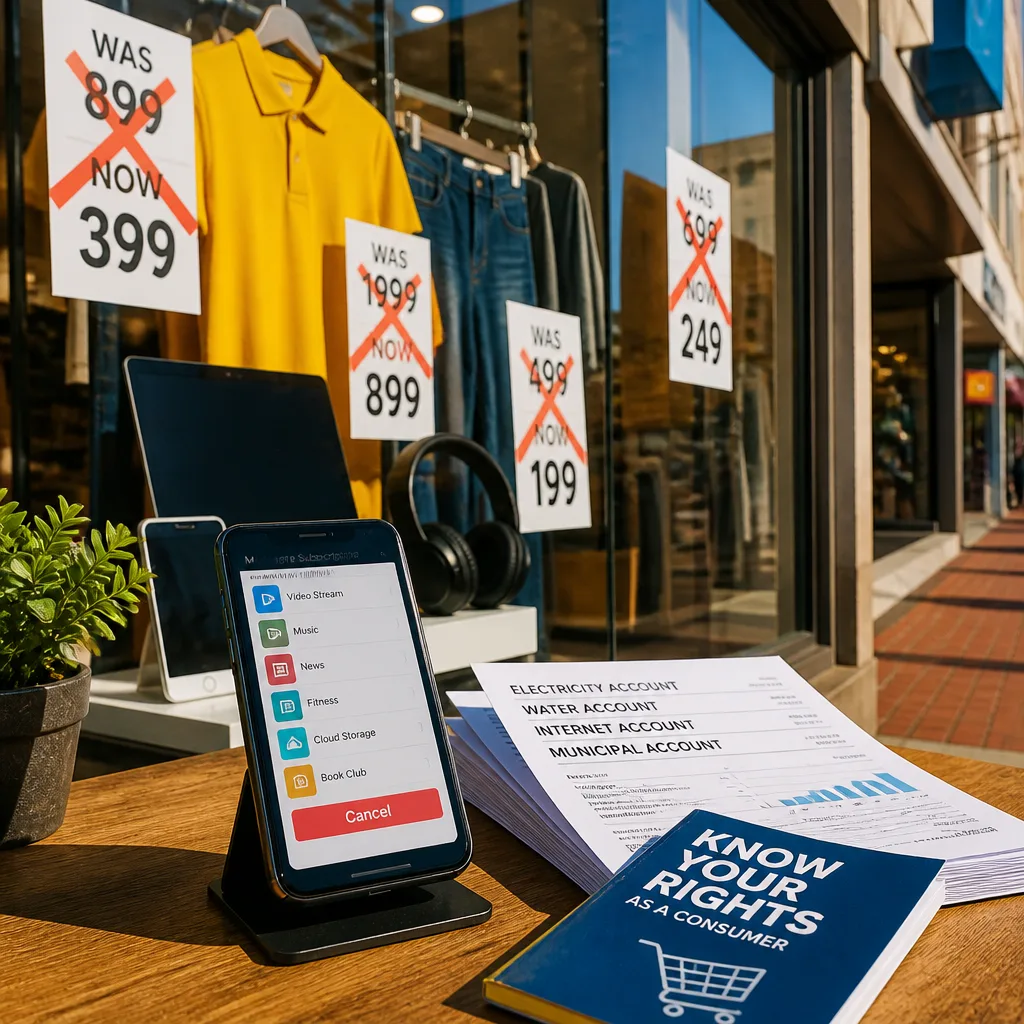
- Misleading pricing — a proposed ban on fake "was" prices, invented reductions and misleading use of manufacturers' recommended retail prices (RRP) that inflate apparent discounts.
- Subscription protection — bringing forward new rules to make it easier for customers to sign up and, crucially, cancel recurring services; the implementation date has been moved from next spring to January.
The government will consult in the autumn on the precise wording of the ban on misleading pricing and on how secondary legislation should define prohibited practices. Downing Street indicated it does not expect a prolonged parliamentary process, signalling an intent to move quickly to implementation.
"We won’t be able to solve every frustration overnight. But where the government can save people money, remove an unnecessary obstacle or simply make something work better, we should and we will."
Numbers matter: the scale and limits of the plan
The headline figure — £400m a year — is the government's estimate of the direct benefit to consumers from the measures. That sum will be closely watched: it is a useful yardstick for assessing whether regulatory change produces tangible relief for household budgets strained by rising bills and living costs.
Industry groups and retailers will be central to how the rules are shaped. The primary enforcement mechanism foreseen is tighter consumer-protection regulation enforced through secondary legislation rather than lengthy primary-legislation debates. Officials plan consultations this autumn on the mechanics of the ban, including what constitutes a misleading RRP and how retrospective price comparisons should be treated.
Implications for consumers and firms
For consumers, the moves seek to reduce everyday friction: clearer, more truthful pricing and simpler exit routes from unwanted services. For businesses, the changes represent a compliance task and a potential constraint on common promotional tactics.
Practical effects to watch for include:
- Retailers having to maintain and publish verifiable price histories if they wish to claim a reduction from a previous price.
- Subscription operators needing to provide stronger sign-up disclosures, periodic reminders and clearly signposted cancellation procedures, plus a 14‑day cooling-off period after free trials or when a trial converts into a paid contract.
The government framed the package as the first of a set of "everyday fixes" to be implemented in the coming months. Although the plan originates in the UK, it resonates in South Africa where debates about price transparency, discounting practices and so-called subscription traps have been growing as households prioritise essential spending.
| Measure | Expected consumer impact |
|---|---|
| Banning fake discounts and misleading RRP | More truthful price information; potentially fewer artificial sales |
| Speeding up subscription protections to January | Easier cancellation, clearer sign-up information, 14-day cooling-off after trials |
Ministers say the proposed ban will prevent retailers from inflating prices before discounting them to create the illusion of larger savings. The promise to move the subscription protections forward signals political urgency: the government wants the changes in law sooner than previously planned.
For South African households watching global policy trends, the measures illustrate how consumer-protection levers can be used to target everyday cost pressures. For retailers, the announcement is a reminder that promotional strategies are increasingly subject to regulatory scrutiny — and that transparency may itself become a competitive advantage.
These policy steps are not a panacea for broader cost-of-living pressures, but they are intended to deliver immediate, tangible savings at the point of purchase. As with any regulatory change, the impact will depend on the detail of the consultation and how rigorously the rules are enforced once in force.
WE NEWS does not provide financial advice. Analysis here is based on the UK government's published proposals and reporting.