A major analysis of more than 38,000 women published in JAMA Network Open has identified two dietary patterns associated with smaller weight gains and a lower risk of obesity during the menopausal transition: the Planetary Health Diet and a diet designed to support healthy insulin metabolism.
Large prospective dataset examined around menopause
The research used data from the Nurses' Health Study II, which enrolled registered nurses who were aged 25 to 42 in 1989. Investigators led by Tong Xia, a postdoctoral fellow in epidemiology and nutrition at the Harvard T.H. Chan School of Public Health and the Channing Division of Network Medicine at Harvard Medical School and Brigham and Women’s Hospital, analysed detailed dietary questionnaires completed every four years and tracked weight patterns in the six years before and after the women experienced menopause.
"Weight gain during menopause is common, but until now we didn’t know which specific diet actually helps most," Xia said.
The study directly compared 11 major dietary patterns, plus ultra-processed food intake, within the same cohort of women. The Planetary Health Diet and the low‑insulinemic diet emerged as the most effective for managing weight during this life stage.
What characterises the two diets?
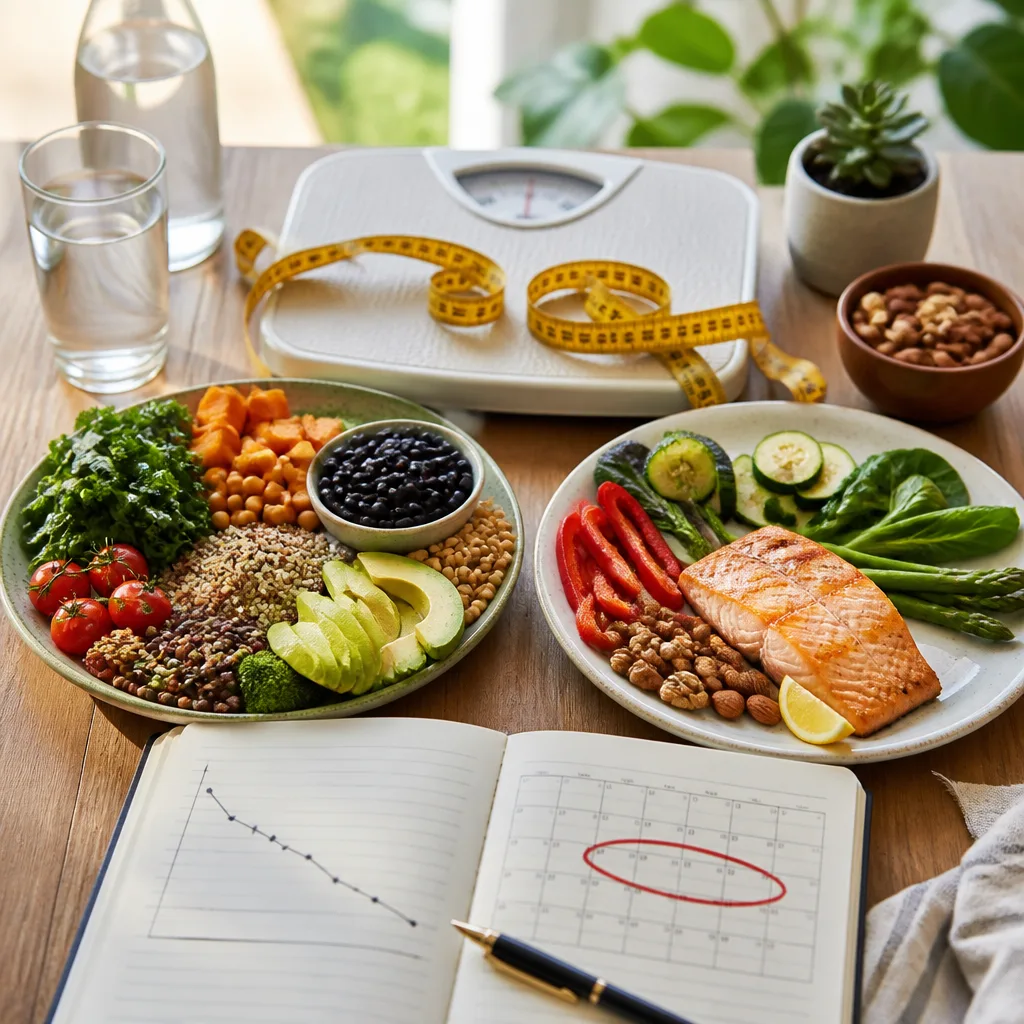
- Planetary Health Diet – Developed by the EAT‑Lancet Commission; emphasises plant-based foods, limits red and processed meat, and is designed to be both health‑promoting and environmentally sustainable.
- Low‑insulinemic diet – Focuses on foods that support healthy insulin metabolism; tends to be low in refined carbohydrates and certain high‑glycaemic items.
Researchers reported that both patterns were associated with the lowest average weight gain and the lowest risk of developing obesity during the period around menopause. The diets were typically lower in red and processed meats, potatoes, french fries and sodium, and higher in nuts and other whole foods, according to the study summary.
Context and implications
Weight gain is a recognised and common feature of the menopausal transition. Hormonal shifts, changes in body composition and metabolic factors including insulin sensitivity all contribute to increased adiposity for many women. Until now, direct comparisons of multiple dietary approaches for this specific life stage have been limited.
By analysing multiple diet scores in the same group of women, the study provides comparative evidence that not all diets commonly labelled "healthy" confer equal benefit for weight control around menopause. The findings give clinicians and women clearer, evidence‑based options when discussing lifestyle strategies for this transition.
Limitations and practical advice
The study is observational and cannot definitively prove cause and effect. It reflects associations within a cohort of US nurses and dietary habits recorded by periodic questionnaires, which carry the usual limitations of self‑reported data and may not capture every population subgroup or cultural dietary pattern.
Nevertheless, the practical messages are consistent with established public health guidance: increasing intake of whole, plant‑based foods, reducing processed and red meats, limiting high‑glycaemic and ultra‑processed foods, and paying attention to factors that influence insulin sensitivity can support weight management as women move through menopause.
Women concerned about weight changes during menopause should consult a healthcare provider or dietitian before making major changes. Individual medical history, medications and metabolic conditions such as diabetes require personalised advice.
| Aspect | Planetary Health Diet | Low‑insulinemic Diet |
|---|---|---|
| Core focus | Plant‑based, environmentally sustainable | Support healthy insulin metabolism; low refined carbs |
| Foods limited | Red/processed meats, high sodium, fried potatoes | Refined carbohydrates, high‑glycaemic items |
| Associated outcome | Lowest weight gain and obesity risk | Lowest weight gain and obesity risk |
Healthcare professionals can use these findings to guide conversations about sustainable dietary patterns that align with both individual health goals and broader environmental considerations.
As always, readers should discuss diet and weight concerns with their clinician or a registered dietitian rather than self‑diagnose or undertake drastic dietary changes without professional input.