
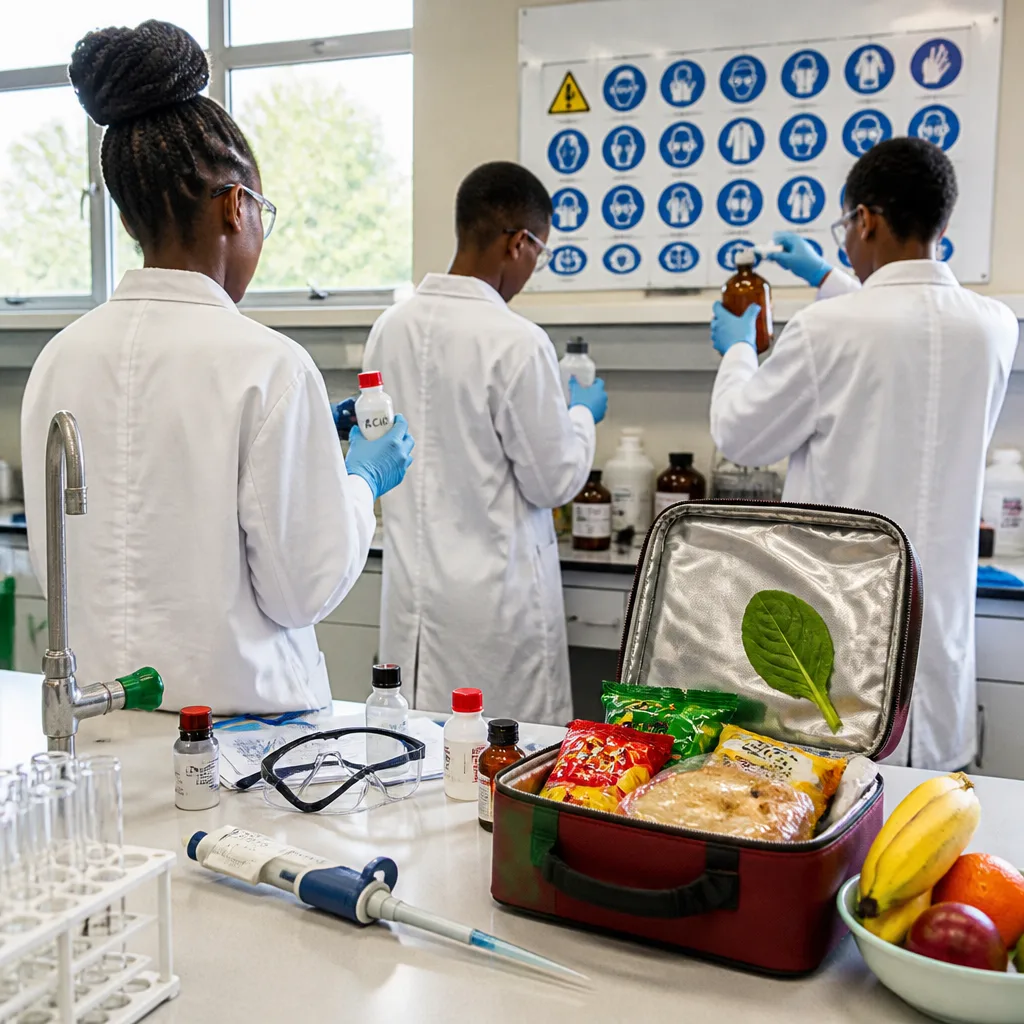
A new study of university students in Ekiti State, Nigeria, found a strong association between frequent handling of laboratory chemicals, low intake of antioxidant‑rich foods and the reporting of symptoms commonly linked to oxidative stress.
Key findings from university laboratory training
Researchers surveyed 426 undergraduate and postgraduate students enrolled in chemistry, biochemistry, microbiology and medical laboratory science programmes. Among respondents, 78.6% reported frequent exposure to laboratory chemicals. The agents most commonly encountered were:
- Acids — 71.0%
- Organic solvents — 64.5%
- Disinfectants — 58.7%
The study recorded self‑reported symptoms such as fatigue, headaches, pallor and easy bruising — signs the authors linked to oxidative stress.
"Laboratory training is essential for developing the next generation of scientists, but it is equally important that students understand how everyday safety practices and lifestyle factors may relate to their health experiences," said lead author Kanayo Samuel Okonji.
Strength of the associations
The researchers reported clear statistical differences between exposure groups. Among students classified as frequently exposed to laboratory chemicals, 62.7% reported oxidative stress‑related symptoms, compared with 35.2% of those with less frequent exposure.
| Group | % reporting symptoms |
|---|---|
| Frequent chemical exposure | 62.7% |
| Less frequent exposure | 35.2% |
After adjusting for other factors, the analysis produced the following measures of association:
- Frequent laboratory chemical exposure was associated with 2.84 times higher odds of reporting symptoms.
- Low dietary antioxidant intake was associated with 2.31 times higher odds.
- The combination of frequent exposure and low antioxidant intake carried the highest adjusted odds — 2.96 times higher than the reference group.
What the study adds and what it does not show
The paper, published in New Contaminants, highlights two interrelated areas: occupational and training safety within university laboratories, and the potential role of diet in modifying symptom reporting. The authors argue for a holistic approach that pairs strong laboratory safety culture with attention to healthy dietary habits among students.
As with surveys based on self‑reporting, these results describe associations rather than prove direct causation. The study measured symptoms reported by students and related those to self‑reported exposure frequency and dietary patterns; it did not present biomarker data confirming oxidative stress levels nor clinical diagnoses tied definitively to particular chemicals.
Implications for universities and training programmes
The findings suggest several practical considerations for universities that train laboratory‑based students:
- Reinforce and audit routine laboratory safety training and the use of personal protective equipment.
- Provide clear information on the hazards of common reagents such as acids, organic solvents and disinfectants.
- Consider student wellbeing programmes that include nutrition education emphasising antioxidant‑rich foods (for example, fruits and vegetables) as part of broader occupational health efforts.
While the study is based in Ekiti State and covers a specific student population and set of disciplines, the overlap between laboratory exposure risks and lifestyle‑related factors is likely to be of interest to science faculties and occupational health services elsewhere. Further research that includes objective exposure measurement or biomarkers would help clarify whether the reported symptoms reflect biological oxidative stress caused by chemicals, dietary insufficiency, or an interaction of the two.
The paper's lead author, Kanayo Samuel Okonji, emphasised the need for integrated strategies that combine safety culture and dietary awareness to protect student health during practical training.









