The health of a democracy is closely tied to how citizens feel about it — and those feelings influence whether people take part in democratic life, new research suggests. A study published in the Proceedings of the National Academy of Sciences found that lower satisfaction with democracy in Mexico was associated with reduced participation in three core democratic behaviours: attending poll worker training, staffing polling stations and voting.
Large survey underpins findings
The research, reported by the University of Notre Dame, surveyed more than 50,000 citizens across 6,300 electoral precincts during Mexico’s 2017 state elections. Enrique Seira Bejarano, the Joe and Deborah Loughrey Professor of Economics at Notre Dame and a co-author of the study, framed the results as evidence that dissatisfaction with democratic institutions can depress civic engagement.
“We find that dissatisfaction with democracy predicts lower democratic engagement across all three behaviors,”
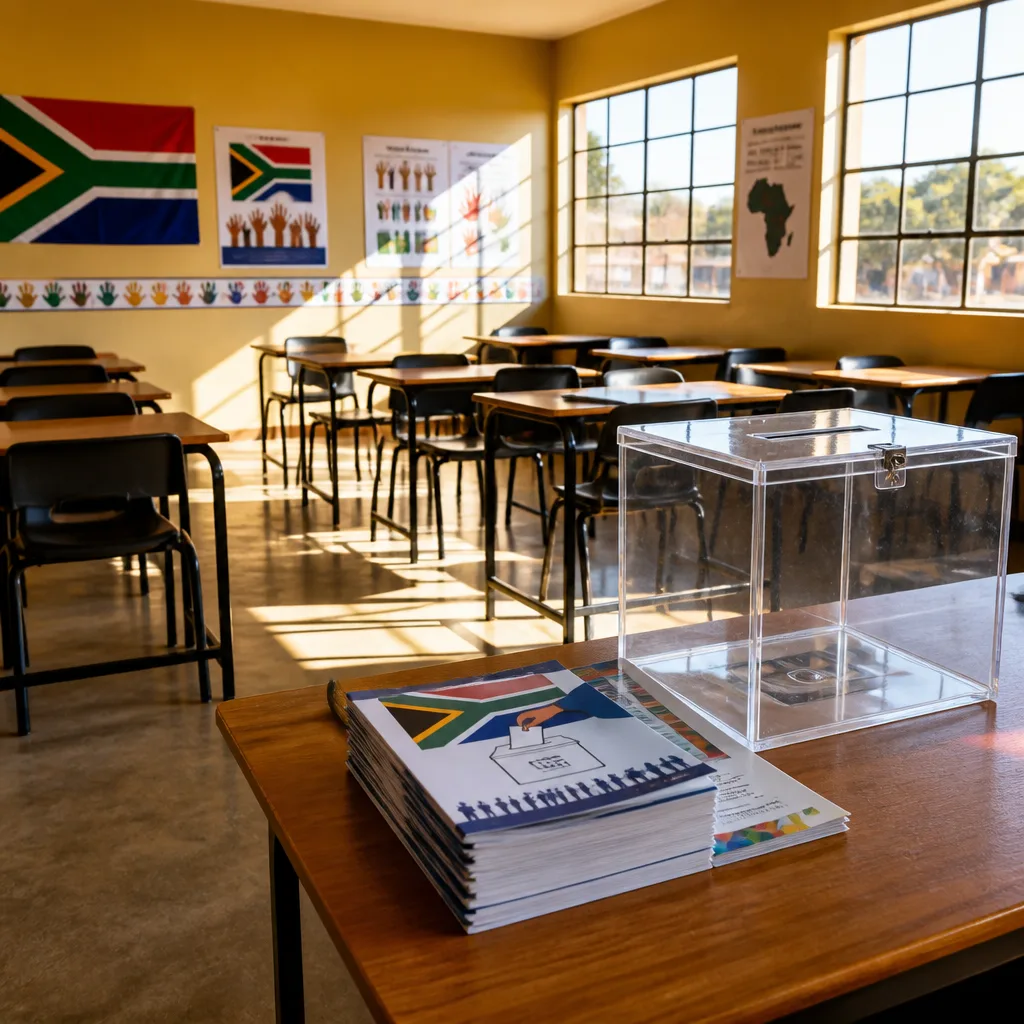
The study’s measures of engagement covered actions that are central to how elections are administered and experienced by voters — not only casting a ballot but also taking on responsibilities that keep polling stations operating. The researchers argue that when people are unhappy with how democracy is working, they are less likely to step forward in these roles.
What the data show
Although the paper and reporting focus on Mexico, the pattern it uncovers is of broader interest to educators and policymakers who want schools to cultivate informed, committed citizens. The report links subjective attitudes about political systems to concrete behavioural outcomes at election time.
- Sample size: more than 50,000 respondents
- Geographic coverage: 6,300 electoral precincts
- Measured behaviours: attending poll worker training, staffing polling stations, voting in subsequent national elections
These three behaviours were treated as distinct indicators of civic engagement. The decline in willingness to participate affected both the procedural side of elections (staffing and training) and the core act of voting itself.
| Indicator | Effect of dissatisfaction |
|---|---|
| Attending poll worker training | Reduced likelihood |
| Staffing a polling station on election day | Reduced likelihood |
| Voting in national election | Reduced turnout |
Education implications
For educators, the findings raise questions about the role of civics education in shaping attitudes towards institutions. If dissatisfaction with democracy erodes participation, then strengthening civic knowledge, critical thinking and opportunities for practical engagement in schools may be part of a longer-term response.
Classroom efforts that combine knowledge about rights and institutions with practical experiences — such as student councils, mock elections or community action projects — could help translate understanding into sustained engagement. The study does not prescribe specific curricula but provides empirical weight to the argument that democratic attitudes affect behaviour.
Policymakers and education leaders should note that the study connects attitudes measured at one moment with behaviour in later elections. This temporal link suggests that interventions to build trust and understanding in young people cannot be confined to isolated lessons; they require sustained, curriculum-aligned approaches and opportunities for real participation.
While the research focuses on Mexico, the dynamic it describes is relevant wherever democracies face declining trust. For South African educators and administrators, the challenge is to ensure that civics teaching equips learners not only with facts about institutions but also with the skills and dispositions to participate constructively — both as voters and as citizens who help keep elections working.
Ultimately, the study reinforces a practical view of civics education: it is not only about knowledge, but also about fostering the commitment and capacity to act in support of democratic processes.