
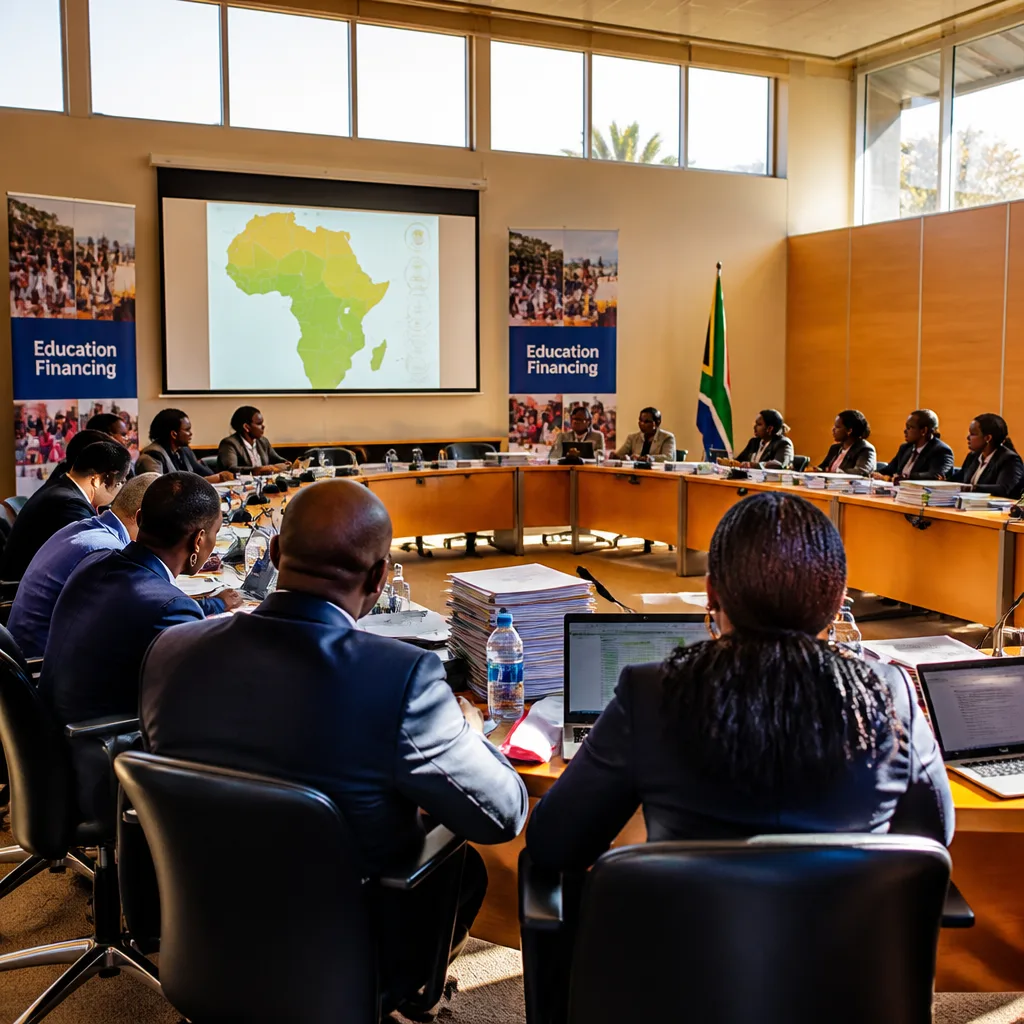
Civil society organisations and education advocates meeting in Abuja this week launched a coordinated push to secure funding for Africa’s schools ahead of the 2026 Global Partnership for Education (GPE) replenishment summit in October. The coalition is aiming to mobilise $5 billion for the GPE Fund and to unlock an additional $10 billion in co-financing for education transformation across the continent.
Focus on domestic budgets and implementation
The meeting, convened by the Global Campaign for Education, ActionAid Nigeria and the Civil Society Action Coalition on Education for All (CSACEFA), called for increased domestic financing for education and improved budget execution. The Country Director of ActionAid Nigeria, Andrew Mamedu, who attended through the organisation’s Director of Programmes, said the dialogue aimed to shape Nigeria’s position and strategy ahead of the global funding event, which Nigeria and Italy will co-host.
Speakers stressed that raising headline budget allocations was necessary but not sufficient. They urged that money be channelled to the right priorities, be gender-sensitive and deliver measurable value. The group referenced the commonly cited global benchmark that governments should dedicate 15% of annual national budgets to education, while noting Nigeria’s national allocation remains below that level. The meeting observed that some Nigerian states have surpassed the benchmark, but that the critical challenge is translating allocations into results.
Areas flagged for urgent investment
Participants identified specific areas that require immediate and sustained funding:
- Infrastructure: Many children continue to learn in inadequate facilities, with some classes held under trees.
- Learning materials: A need for textbooks and classroom resources that support curriculum delivery.
- Digital education: Nigeria is reported to be behind peers in adopting technology-driven learning.
- Teachers’ welfare: Improved remuneration and the timely payment of salaries were highlighted as essential to raising education quality.
| Funding targets | Purpose |
|---|---|
| $5 billion | Replenishment for the GPE Fund |
| $10 billion | Co-financing to support education transformation in Africa |
According to the meeting report, poor infrastructure remains a major barrier to learning. Delegates warned that without investment in school buildings and basic services, other reforms will have limited impact. They also said that teacher welfare, including adequate pay and regular salary disbursement, is central to retaining staff and improving classroom outcomes.
Preparing for the replenishment summit
Organisers described the Abuja dialogue as part of preparations to agree national positions and strategies before the GPE replenishment summit. The summit — set for October and co-hosted by Nigeria and Italy — will seek commitments from governments, multilateral institutions and donors to fund education initiatives across low- and middle-income countries.
Delegates called for measures to strengthen accountability and ensure budget lines reach intended recipients. They also urged that any new financing be aligned with priorities that directly affect learners in classrooms, such as teacher support, learning materials and safe learning environments.
The coalition’s advocacy underscores a broader push across African education stakeholders to combine international replenishment dollars with stronger domestic financing and implementation. How effectively governments translate increased funds into better infrastructure, materials, technology and teacher conditions will determine whether the promised investments produce measurable improvements in learning.
As the GPE summit approaches, education leaders and campaigners in Abuja signalled a consensus: the focus must shift from headline budget numbers to delivery — and the reforms must keep learners, teachers and equity at the centre of every financing decision.











